Intentional community beginnings: Moora Moora

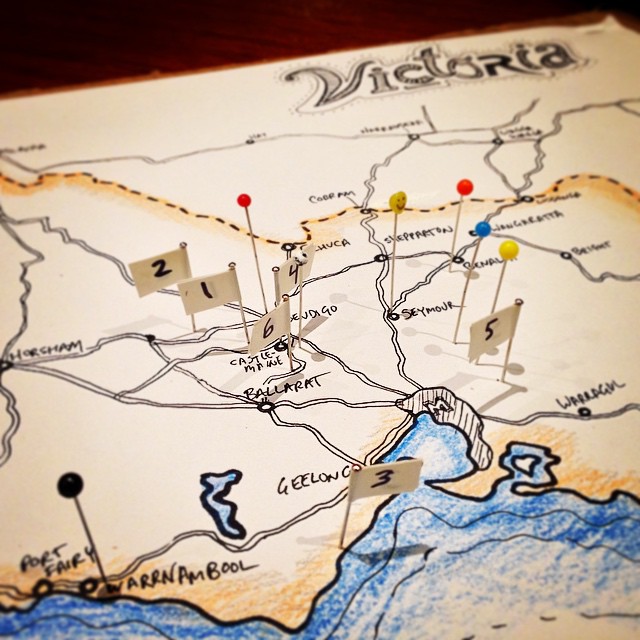
~ DESTINATION SIX: HEALESVILLE ~

Terrific folks at the top of the mountain

Sometimes this trip feels like a slow-moving and expansive journey, winding its way increasingly further from our previous life.  When I think about how it’s been 2 1/2 months since we left our Adelaide house and starting living in borrowed accommodation, it seems like we’ve been on the move for quite some, and we still have over 3 roadtrip weeks to go until we settle in with another 2 1/2 months of house sitting. Other times, like now, this journey feels like a whirling dervish with the experience seemingly just flying by. With our recently completed stay at Moora Moora, this pics-442latter feeling certainly prevails as we only had a scant 4 night stay there and now a new WWOOFing assignment is hot on its heels – barely time to catch our breath!

Moora Moora is a “celebrity” intentional community amongst some of the others on our trip, having been featured in many articles, news and tv programs since it was developed back in the 1970’s following the Aquarius festival in NSW (which apparently jump-started a number of such communities). As one of the longest-standing cooperatives still in existence in Australia, it was appealing to see if this developed, larger-scale and presumably robust community was continuing to go strong and what was its secret for success.

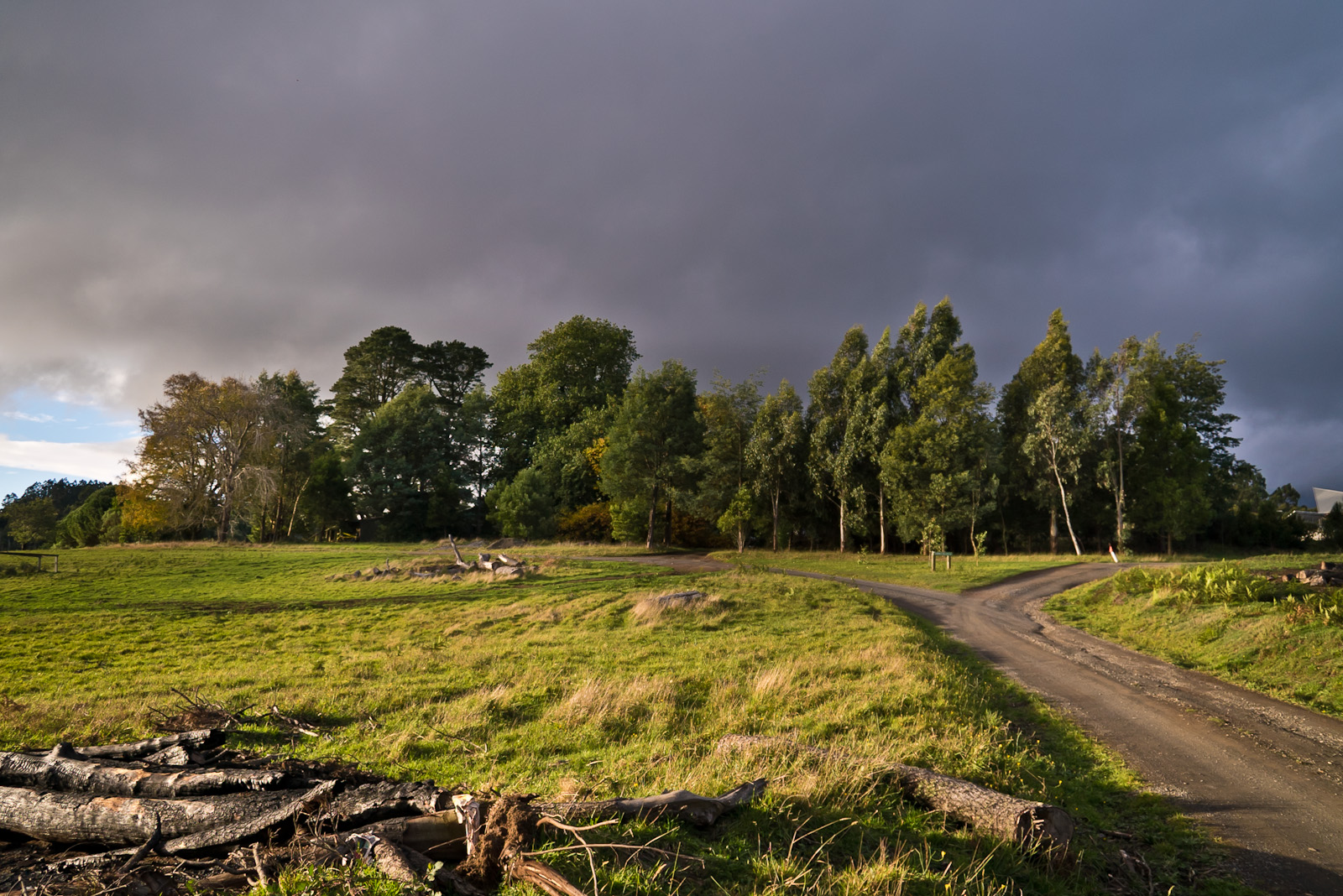
pics-450 Apparently our diligent pre-trip planning had paid off, as all of our communities at the moment are within a few kms of each other, so we dropped Kito off at another kennel (no dogs, cats or animals for slaughter allowed at Moora Moora) and drove 15min to the top pics-451Mt. Toolebewong to their property. The first impression before even arriving to the front gate is the enchanting gum tree and fern rainforest for the first couple of kms leading to their gate. Once onto their property, it’s obvious that this isn’t a densely-packed community, but rather a private rural retreat at the top of the mountain. Despite the wilderness feel, it’s still only an hour drive to Melbourne CBD, whose city centre is clearly visible from the village. Amongst the first things we see are a giant wind turbine-slash-sculpture (we later learn that it actually was an innovative wind machine that never really worked, but when the press arrived for its launch, two people were hidden inside the base turning the sail on cue for the cameras), plus a couple of dwellings, lots of hand-carved directional signs and a heap of open space. pics-447Once you learn that the property is set on over 600 acres and the residential living area is spread amongst 6 clusters of 5 houses each over 13 acres, then it is clear why we’re not rolling up and seeing much yet. Later, when we did a tour of the residential areas, we were able to see how spread out the village is with all the houses nestled in amongst the dense forest. In fact, 2/3s of the whole property is to be left as native forest and never to be developed.

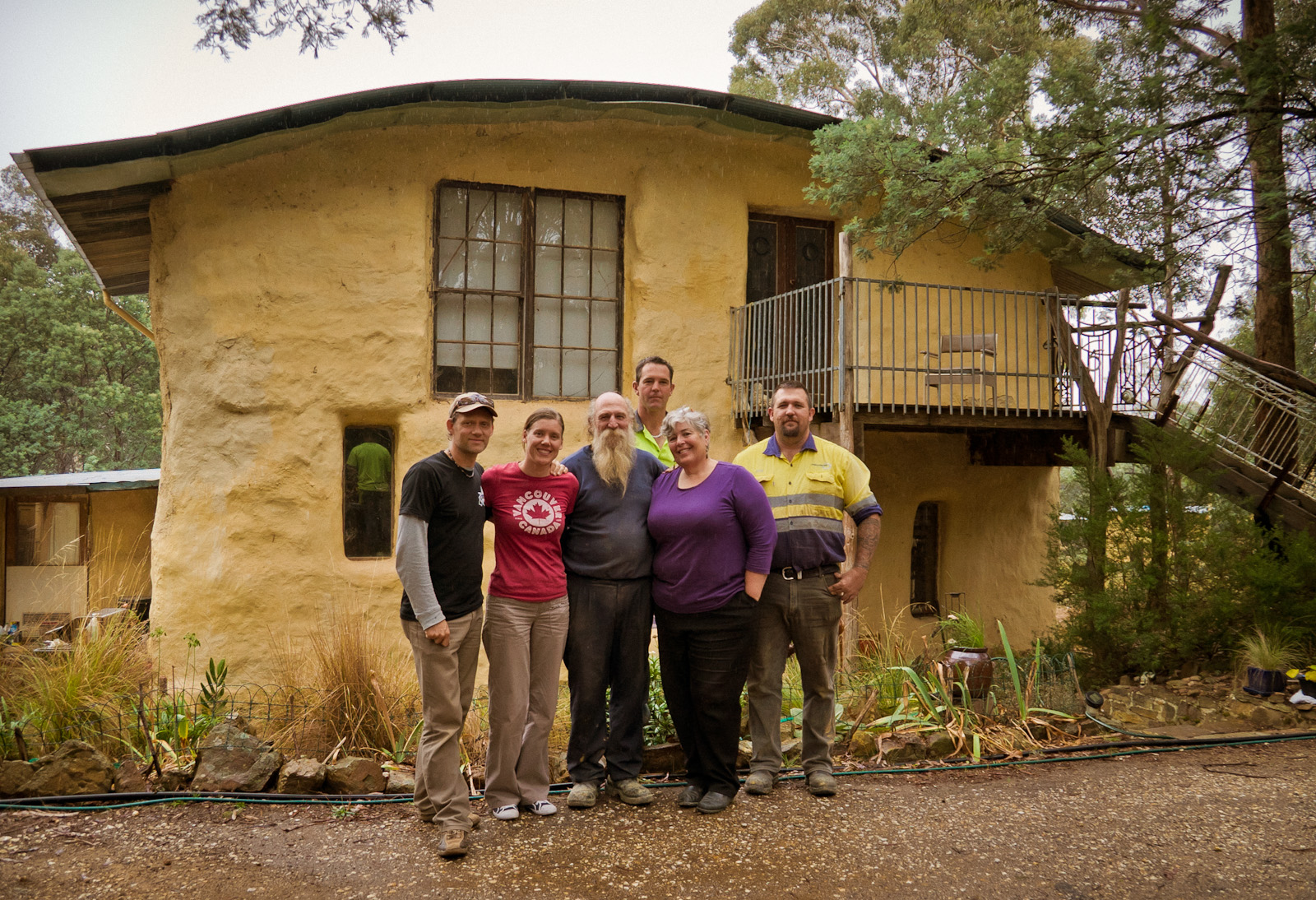
pics-479With a nice stroke of luck our hosts turn out to be Sandra and Peter Cock, not only two of the original founders but the visionaries of the whole Moora Moora idea. Having traveled around Australia and beyond looking at 50 alternative communities for Peter’s PhD thesis (creating a book on the topic in the process), plans begun for Moora Moora. A core group of energetic young professionals planned what they hoped would be a communal-living settlement where individuals owned their owns house but the Cooperative owned and governed the land. Through his research, Peter felt that this structure would be best suited for a community that hoped to endure the test of time. Forty years on, Sandra and Peter have grown into parents and then grandparents, have watched members move or pass away, have withstood a variety of personal, legal, local government and environmental challenges, and experienced the majority of their adult life from within an intentional community. From what we can see, they have come through very well, with the usual number of regrets consistent with a project of this scale and complexity, but still smiles on their face. In terms of regrets, Peter feels that the shared community elements and the true spirit of what an intentional community is all about – the relationships – are what could be improved as many people are content to withdraw into their individual lives if let be. Overall though it is clear that they have been part of an impressive community-building project.

IMG_5383

Our actual stay was part Intentional Community Education and part working holiday (WWOOF). Peter, a tall and slim 60-something chap with a cheeky glint in his eyes and quick wit, was not shy at getting us in the thick of the work, though he vigorously participated in it as well. IMG_5388Despite of persistent threat of rain (it was constantly wet, foggy and windy up there, plus 4 degrees colder on average than the town at the foot of the mountain), we spent as much of our 3+ days there outdoors. Whereas food preserving was the call to order at Commonground, here it was preparing firewood for the quickly advancing winter season. We sourced previously felled trees from a clearing in the woods, shifting a tonne of wood (quite literally) numerous times onto the back of the IMG_5390Moora Moora shared tractor’s trailer, and then power-split the pieces (using a diesel-powered splitter I named “The Beast” for its awe-inspiring wood-smashing abilities) and stacked it all. When the weather finally impeded our best intentions with wild wind and lashing rain, Heidi worked the apple peeler and nutcracker while I provided some video recording and computer training to our hosts. As with every day, Sandra would provide us with warm soups and tasty homebaked snacks through the day and a delicious dinner each night – mostly vegetarian or vegan to her credit!

In the end, what was different with Moora Moora than we might have expected was the more isolated experience from other members of the community. With the exception of a couple of chance encounters on the village roadsides and a movie night where we got to see some good group bonding, there wasn’t too much obvious regular interaction between members of the community. IMG_5377Of course, in 4 days (and cold, wet ones at that), we weren’t getting any kind of typical gauge to work with, but my guess is I’d still feel that we were getting a fairly accurate sense of the place. Peter himself mentioned that if he could do it again, he’d make all the house clusters closer to the central hub (where their share facilities were) to encourage more regular interaction between members. In terms of my own community village design ideas, the thing I would take away from Moora Moora is the cluster idea, even in a small community village setup. The main reason is conflict; Peter says that one of the reasons they have survived is that when a cluster has its own problems or goes bad, it doesn’t bring the whole place down.

pics-465

Peter and Sandra’s cluster shares this solar array amongst the 4 houses

We became quite fond of Sandra and Peter during our stay, as well as with Mark – a long time resident and friend of Peter’s – who was living in Peter and Sandra’s house while we visited. Mark has tremendous knowledge, ideas and insight as well having been connected with local government and councils for years, plus a member who’s been involved in the journey of Moora Moora for a long time as well. Despite the short stay, we were once again treated with warm hospitality, engaged in plenty of quality conversations about everything, gleaned amazing wisdom and advice about communities, and made a great connection for future visits or more. We’ll aim for spring or summer next time perhaps though! 😀

pics-439

Mt. Toolebewong from the valley. Still enshrouded in clouds

Mt. Toolebewong from the valley. Still enshrouded in clouds

I found this guy sitting at the back door

I found this guy sitting at the back door

Strawbales and tipis, native spirituality and hospitality

~ DESTINATION THREE: DAYLESFORD ~

I love being pleasantly surprised…

My initial impression was that this was going to be a very different experience than our last stop at Cornerstone in Bendigo. When researching for the trip, Gentle Earth Walking sounded interesting primarily for the potential for strawbale building (something we were keen on trying) and staying in a tipi. Now that we have left, I am re-reading the entry in the WWOOFing guide about this spot, and while it describes everything that was there in a practical sense, we in no way could have been prepared for the things that actually made it such a rich visit. property wildernessFrom the effortless hospitality of our hosts Sue and Don to the peaceful rhythms of nature on their 40 acre property, we felt welcomed as part of the family with nothing being too much trouble. From the authentic incarnation of indigenous Australian and American spirituality that they practiced to the abundance of interesting ideas and projects around the property, their sense of dedication and care for the Earth and its peoples was clear. And while we weren’t expecting it to have an obvious community element, the outreach to community through creative and intelligent means made us realise that Sue and Don were dedicated to living out their beliefs and lifestyle goals as thoroughly as possible.

A feature of the stay that we quickly discovered was that Sue and Don love to tell stories. We heard a broad array of tales from their lives – learning that they were very well traveled, have had colourful and complex family lives, have experienced some amazing and unusual spiritual events, and are willing to throw themselves into any situation with vigour – all told with humour, trust and openness as if we had known them for years. Granted, at times we felt overwhelmed by the sheer volume of stories and retreated to our tipi at the end of the night with explodingly full brains, but we continually found ourselves returning and increasingly engaged in their intriguing lives. Given how many dozens of WWOOFers they’ve had over the years, you have to wonder how they tell these stories with enduring freshness!

inside house

Often our conversations were around their dining table which is the centre of a very full and cluttered room that houses all of Sue’s office and computer, the lounge room and tv, the kitchen and pantry, dining table, and inventive clothes and pot racks made from ladders hanging from the high ceiling. In the midst of it all is a pot-bellied stove, continually roaring with flames as the weather was cold these nights (even down to -2ºC one night) while we were there. The room is jammed full as the strawbale house they live in isn’t complete and they have had to pile everything into this one room until another area is ready. Mashing everything and everyone in one place meant it was a cozy place to retreat to at the end of the day, and there would always be something going on like a spirited conversation, visiting family popping in, Don bottling some ginger beer, chooks trying to run inside the back door, Sue digging through boxes to find us books on strawbale building, endless cups or tea and coffee boiling on the ancient stove or Don doing his back exercises on the floor. Part of feeling at home there as well was that they weren’t at all precious about anything: there were no locks on doors, car keys always left in their old cars which we could use whenever we needed to, and nearly everything was a found object or had been reused, recycled or repaired.

group shotThe house is a very solid place filled with touches that indicate that this is a house made lovingly by hand. The bales offer amazing insulation and sound-proofing, looking great in an organic, hand-made kind of way. At about 200 square meters (2000 sq ft), it is a big place, and with the wonders of strawbale building (cheap materials and often free labour or simply less than a typical build), it only cost them about $30K. For those uninitiated with strawbale building, it offers so many advantages over brick or timber construction (cheaper to build, less labour, superior insulation, superior fireproofness, longevity), it’s a wonder why more houses aren’t built this way. Sue and Don have clearly been educating and enticing locals as well, as they are directly responsible for teaching or helping 50 buildings be built in the Daylesford area.Mike rendering

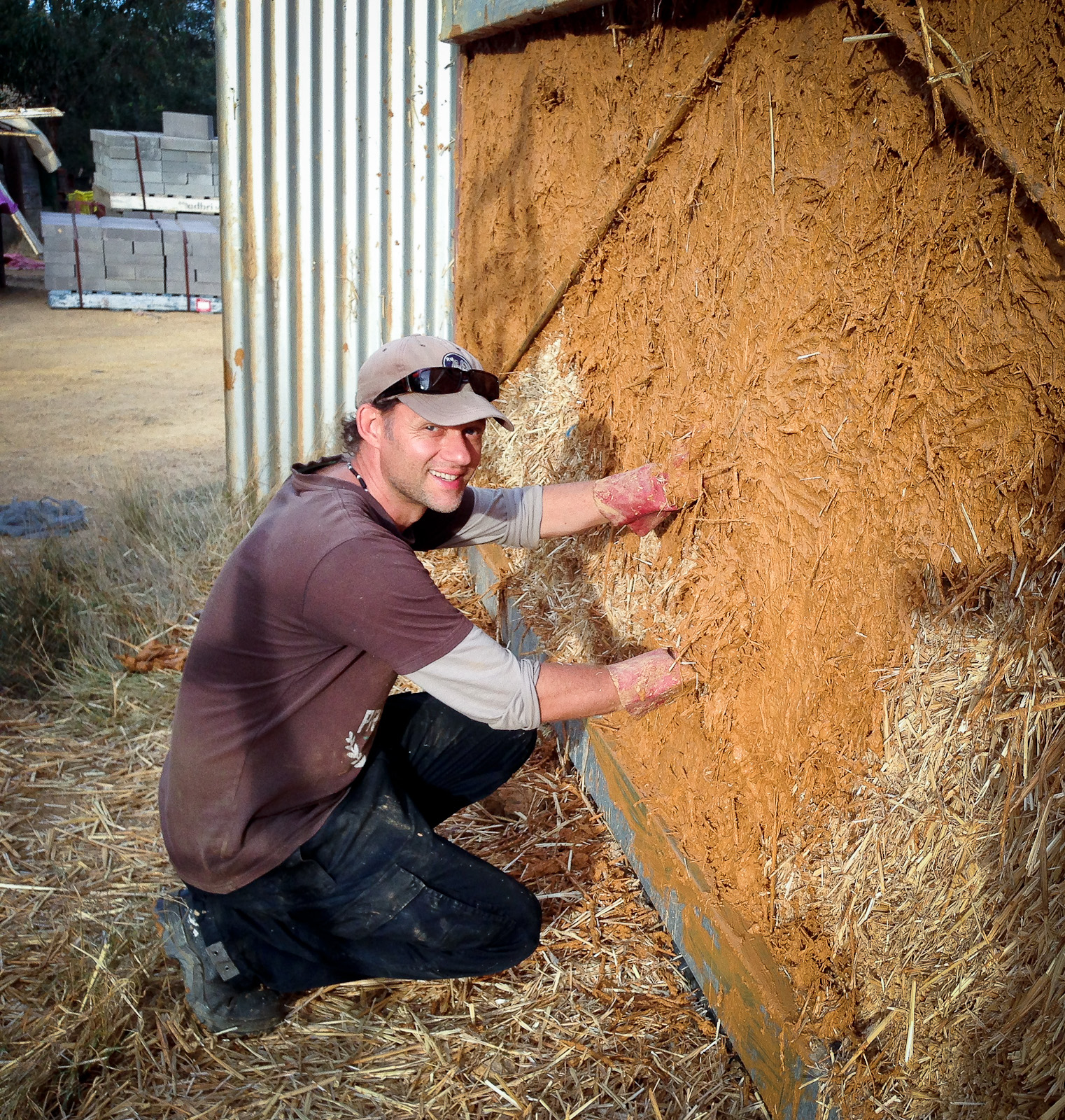
My dreams of building such a home were only increasing in intensity as we began seeing all the potential of the various strawbale projects around the property. And sure enough, they put us to work on a wall that had been half-sealed and needed rendering and repair. We spent the better part of a week working on the wall and it was fantastic getting our hands dirty learning about the craft. Both Heidi and I really appreciated doing the work and didn’t get tired of the labour; there’s something invigorating about working on a project like this, particularly if you are typically used to sitting in front of a computer all day like we are.

tipi at night

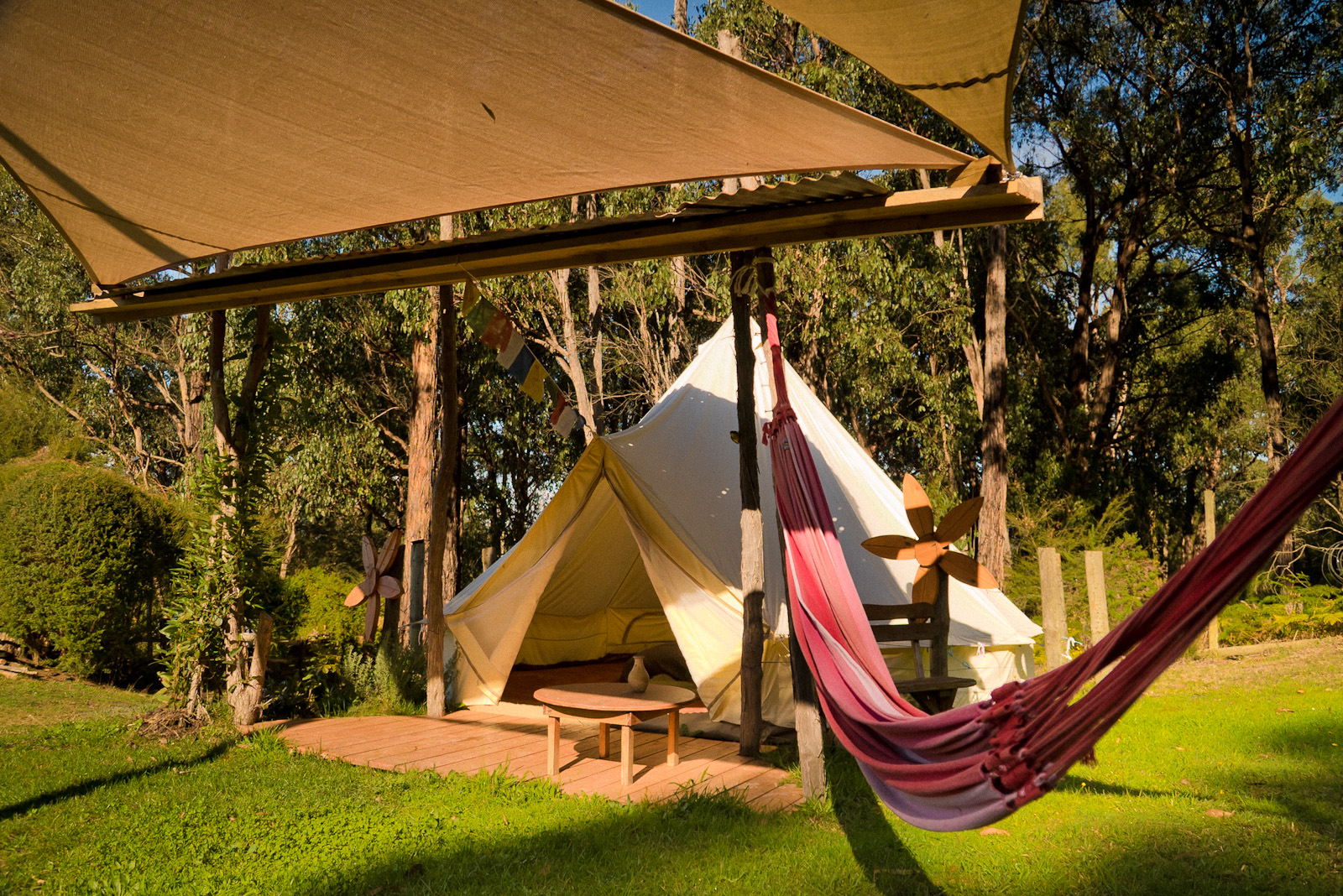
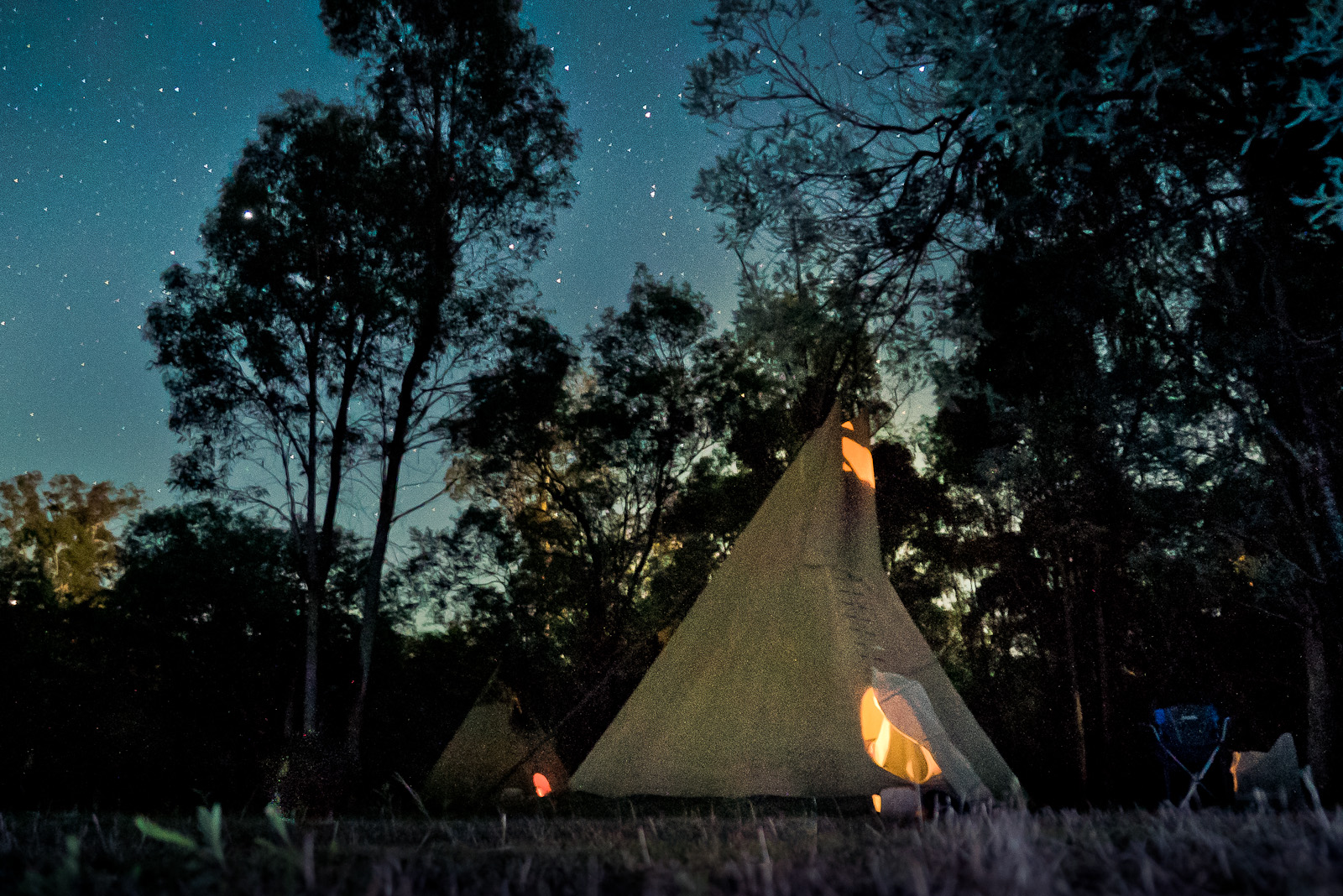
tipi in morningA unique part of this experience was staying in a Native American-styled tipi which was as genuine as the original ones found in North America. Ours was a 16 foot style (base diameter, about 5 meters) and about 30 foot high (10 meters) at the peak. The cool thing about a tipi is that, like the original ones, you have a fire pit within. Special wind-control flaps on the outside plus an inner sleeve help control air flow so smoke from the fire is drawn up and out the top of the tipi. We had mixed luck with keeping the tipi from becoming choked with smoke, but when we did get it to work it was a great way to warm it up. And warmth we needed as we happened to hit frigid temps a few nights! I was a bit over the tipi experience by the end mainly because of Kito who was never at ease there and had worked out ways to escape the tipi Kito in tipiwhich was a problem if we were off working. So poor Kito was stuck lashed to a pole with his leash inside the tipi and I felt either bad for him or annoyed as he tried so hard to make life difficult for both of us!

inside tipi

At the end of all the work and life on the property there was Sue and Don, two very interesting, inspiring, slightly eccentric (but wonderfully so!), gracious, trusting, open and hospitable folks. We particularly found Don to be a rare wise soul, someone who projects a feeling of goodwill and joy whenever you speak with him. Nothing is too much trouble for Don and he will embrace the opportunity to discuss a situation or have a laugh. Don steaming woodWe undoubtably asked too many questions as Heidi and I are prone to doing, but neither of them appeared to be put out by it. I aspire to that level of patience – serenity now! With Don, his spiritual journey seems to have led him to a place where he has an easy relationship with whatever life throws at him, with a gentleness, grace and wisdom that is difficult to find these days. We had many laughs at the various stories of people thinking he was a bikie or a vagrant, which again reminded me – as with many times on this trip already – that judging someone solely on their looks will almost always get you into trouble. Finally, they are creative and open to try anything – as their lengthy history of jobs and experiences attest – and for the last 15 years, Don has invested his time into bending timber using 150 year-old equipment and positioning himself as the only timber bending business left in Australia. I spent a day filming and editing the following short video on Don and his work and I think you can get a sense of Don’s passion for the work and how it extends from his passion for the earth as he discusses working with the 4 elementals of life.

What a wondrous and rich exploration this trip is turning out to be!

Also make sure you see another perspective of this experience on Heidi’s blog!

Di and Ruth: compact community

~ DESTINATION ONE: STRATHALBYN ~

Community can come in small packages.

In our planning leading up to this little adventure of ours we’ve gone and chosen some communities to visit solely based on a paragraph or two of information via the ic.org website, our WWOOFing book or a brief phone call. Reducing the decision to a small set of “highlights” based on some preconceived ideas of what community is all about will undoubtedly reveal some surprising realities once we arrive, but I’m beginning to believe that this will be the joy of the experience – if we allow it to be that way. Our first community experience has already been that way: before arriving, I had conjured an image of what sort of “true” community could possibly exist between two people, but it has already proven to be an unexpected learning experience.

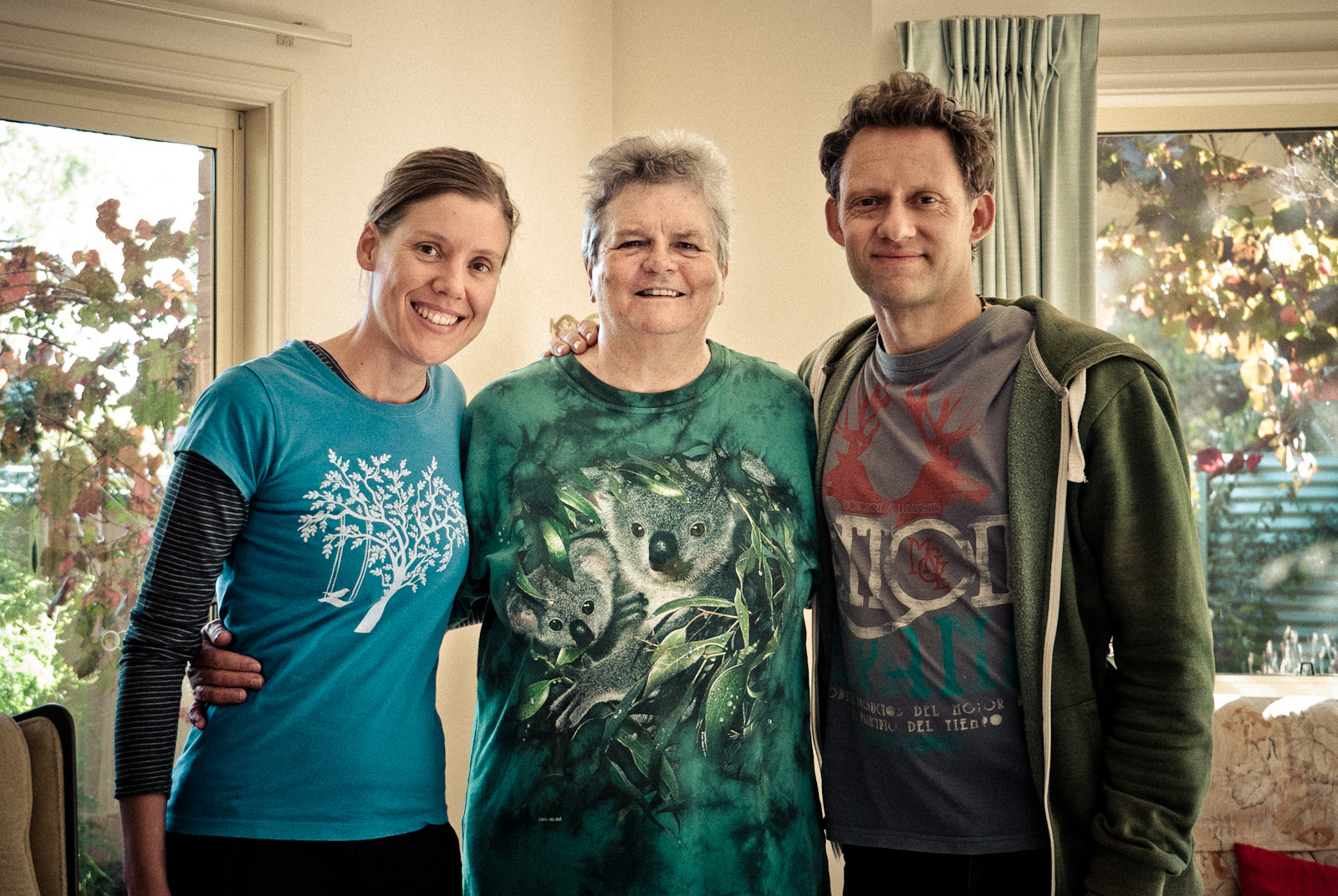
Heidi, Di and Mike

Heidi, Di and Mike

The baby steps of our 2-month trip took us to the homes of Heidi’s spiritual director Di and her friend Ruth. From the start, Di was comfortable using the term community to describe her and Ruth’s setup: conjoined properties consisting of two houses with no dividing fence and a shared backyard. Ruth and Di, who have been friends for 40 years, move between the two buildings freely but that divide is enough to provide some individual expression and some personal space to be able to retire to whenever they each want it.

So, looking at the way I perceive “community” to mean, I see it as:

  • a group of people sharing resources to reduce their collective environmental impact and save some redundant expenses;
  • living in close proximity with one another so that regular interactions are encouraged;
  • some common interests that connect everyone;
  • an overall care for one another’s well-being;
  • having shared experiences with like-minded people that enhance life’s journey

In this context, Di and Ruth are easily covering many of these points, but are simply doing it (at the moment) between the two of them. Their focus might not be so much on environmental concerns, plus having only two people to do everything can have its downsides, but their positive outlook, ease of lifestyle and welcoming hospitality definitely made it feel like they were creating a larger community than just the two of them. I definitely felt like a big warm hug was embracing us while we were there 😀

In planning this trip, we had broken it into roughly two parts: intentional communities and WWOOFing stops. However, I’m now beginning to think that the line is blurred with solid community likely existing in the WWOOFing stops as well. If Di and Ruth are an example of how it can be with just a small community then the places we are looking at who are often connecting with families, other like-minded individuals or the wider community will possibly have a similar feel. In other words, I will try to not place everyone in a tidy box before I experience what their version of community has to offer!

Go forth with an open mind.

Our preconceptions of what we expect to encounter on this trip will certainly colour how we actually experience it, as it was pointed out to us by Michael, a guest at dinner the other night at Di’s home. Michael had traveled extensively through Australia and abroad living communally and was a valuable addition to the conversation. His arrival at this meal was particularly fortuitous as our host Di had happened to bump into him the day that we were visiting and so we could pick his brain a bit regarding our own travels.

The advice Michael provided was useful but was one of the few things he actually told us (as not to contradict his own advice) was: the less we impose our own biases onto an upcoming visit to a community, the more we’ll get out of it. Upon arrival, it’s too easy to initially judge the way things are done by others if they don’t sync with our own methods, but if we wait, listen, learn and absorb, in due time we’ll get a more authentic view of how the community ticks. That’s not to say that our own perspective isn’t valid but it’s easy to arrive somewhere and think “why would they do that like this?” or “this community is broken here and here and I could do it better”.

Saying this, I think I’d like to experiment with my own bias and I plan to write a short paragraph before my forthcoming community visits in which I explain my own expectations and predictions of what the place will be like. I will be basing it solely on what I have read about the place, the vibe I get from any contact I’ve had with them, and my own biases like judgments about animal rearing/eating or lifestyle decisions. Hopefully this will help me examine my own reasons for thinking the way I do and see if I am putting too much emphasis on what’s in my head rather than what I am experiencing with an open mind! More to come…! 🙂

PS. Sorry for the analytical ramble: at this stage things are less about experiences and more about theory!

You can also view Heidi’s take on this visit to Di and Ruth in her blog at Miss Roo’s Adventures


Strathalbyn

The beautiful town centre of Strathalbyn


On the cusp of departure…and adventure!

“Go confidently in the direction of your dreams. Live the life you’ve imagined.”
Henry David Thoreau

Maybe slightly less confidently than Thoreau is coaching us to believe, we’re on the cusp of leaving on our (cue mystic yogi guru voice) journey of discovery in two days’ time. Having spent the past 5 weeks in a well-appointed house in a good part of Adelaide during a festive time with good weather has meant that we have actually positioned ourselves into an easier form of living than we had even before we started house-sitting. We perhaps aren’t “living our dream” of community just yet, with the relatively cushy nature of our situation until now making us a bit lazy and reticent about our forthcoming travels.

That’s not to say we aren’t excited. We’ve worked out most of our trip plans which will include as many different types of education and adventure as we could muster: some straw bale building workshops here, a bit of permaculture appreciation there; intentional community living, big and small; urban development and 91-year old Scottish poets; off-grid, aquaponics, organic farming and yoga; social activists, tipi builders, vegans and non-violent communicators. When we start looking at the variables, it’s an intriguing mix of choices!

(Writing is a bit cathartic, as my earlier lazy apprehension is turning to adventurous hopefulness the further I get into this blog entry.)  ☺️

So we embark on the first stage of our trip on Tuesday morning, invited by our friend Di (she was one of the tandem that married Heidi and I) to experience a version of community with her and her neighbor. From there, we spend Easter with Heidi’s family before heading to Daylesford, Victoria on our first “official” stop on the adventure: a lovely-sounding dog-friendly sustainable property featuring old trees, lots of birds, tipi camping, straw bale building and a couple of friendly folk named Sue and Don.

Mr. Thoreau will then be pleased to hear that by the time we do find our way to Daylesford, I have a feeling that we will be going confidently in the direction of our dream. ☺️

Preparations & expectations

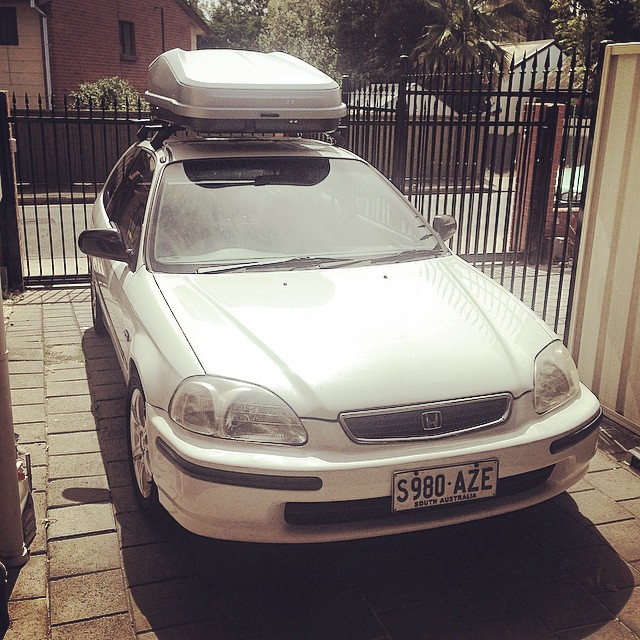
I’m homeless, jobless and about to hit the road with only a Honda Civic filled with the basics needed to get by. The aim is that it’ll be a two-month escapade of trip-carcommunity living, WWOOFing*, meeting like-minded individuals,  learning new skills and awakening the creative part of my brain that feels like it has been dormant for awhile. I can’t wait.

Having become a nomadic person over time, I feel the sense that I am about to get back into my element soon. My wife, Heidi, and I along with our shiba inu, Kito, are about to embark on a (cue Troy McClure type voice) a wacky journey of discoveryness! as we explore the a range of interests close to our hearts: intentional community living**; connecting with folks who are keen on treading lightly on this planet; sustainable practices such as organic farming, off-grid*** living and reuse/recycle/repair philosophies; meeting people who strive to explore and grow in their creative interests, personal, community and spiritual well-being; and anyone who chooses to live an alternative life off the mainstream path. As far as we reckon, those original 60’s far-out-dude hippies were onto something after all! We’ll see if growing my hair out, weaving my own shapeless hemp clothing and foregoing bathing ends up being the “new Mike” upon our return 😛

Truth be told, the traveler, explorer and generally curious information-seeker in me resonates with this type of trip, however the introvert and day-to-day homebody will struggle with aspects of it. I suspect that some of the personal growth I will look to gain could be in improving patience when I feel “people-grumpy”. Also, as Heidi will likely attest in her own blog writings (which I will link from here once she has her blog live, so you can have an alternate perspective of this journey!), a large component of this trip for her is the connecting with people in community, particularly if they are living out a Christ-centred spirituality in that community. kito-ponderingShe too is interested in environmentally-focused teachings but Heidi is more of a people-person than me. And for little Kito, this will either be the doggie adventure of a lifetime (Kito is extremely gregarious and will lap up the attention) or it will be a struggle for him as – like with many dogs – they like home and some regularity –something he won’t be getting much of with all of our moving around. Still, it’ll be great to be able to share the adventure with him and it’ll give him some great stories for sharing with the other dogs around the water bowl at the park.

For now, there is a bit more prep as we shift our lives of relative comfort (where we are house-sitting at the moment has a giant HDTV, all the mod-cons you get with houses these days, is close to North Adelaide’s shops and abundant restaurants, and is great for “lifestyle living”), to bringing only enough to get by, while the rest of everything we own is crammed into a storage locker. It’s a healthy thing to do…I recommend it to anyone. It certainly forces you out of your comfort zone, forces you to assess all the accumulated “stuff” in your life and purge, and gets you realising that life should be about the people (or animals) and experiences that you care about, and not really about how much you have accumulated. You’ll be remembered for what you said and did, not what you bought. In my opinion, life should definitely be about exploring, learning, creating, connecting and sharing….with a freedom from the shackles that either society, government or advertisers would like to lead you to believe you should be living.

So, starting in early April, I’ll be aiming to jot down experiences and share some photos from each of the dozen or so places we intend on visiting. Some places will be day visits and some will be week-long journeys embedding ourselves into an existing community. Follow this blog by subscribing >> or through Facebook with links to entries when I post them!


Glossary:
Here’s a couple of the terms I mentioned above; some of you will be well-acquainted with these already, but I have had a fair number of quizzical expressions with WWOOFing and intentional communities, so I thought I’d put my definition of them here!

* WWOOFing – technically comes from “Willing Workers on Organic Farms” which really means that this is a pure trade of skills/labour for food and accommodation. We’ll help folks out with whatever they need on their property and they’ll put us up. Good deal for everyone!

** intentional communities: a group of people or families who often have a like-minded series of beliefs or interests often to do with living simply, sharing resources, spiritual orientation or other lifestyle desires. Many times they are seeking for “true” community which is something that has often been lost in modern society. I wrote this previous full-length entry on intentional living as well.

*** off-grid refers to complete disconnect from city/council services (which are often tied to environmentally-damaging or expensive services that don’t take advantage of natural alternatives). Someone off-grid would have a total reliance on things like the sun, wind, hydro-power, etc. to provide power, composting toilets, harvested rainwater or other freshwater source and would ultimately be a very thrifty user of resources.


heidi-mike
Mike and Heidi, as seen before embarking on this journey ~ Mar 2015


Trading fairly is easier than ever

Fair Trade – the acquisition of goods from sources where people have been paid a fair wage for their work in a sustainable way – is an idea that has been around for 50 years but has become an organised movement over the past 20 years. fair trade woman2

When it comes to certain products like coffee, tea and chocolate there is no excuse for everyone to be reaching to pick up anything but Fair Trade-produced goods these days as there are many options. It only takes a slight bit more effort to seek these options out and then you can feel good about your purchase.

Other than these items, there are heaps of fair trade options for clothing, health & beauty products, rice, oils, sweets, sugar and many more items. When combined with organic farming practices and even animal-free ingredients, then you really know that what you’re eating/using is truly healthy and cruelty-free.

Here’s a good service called TradeAsOne.com to help you out. I think it’s a clever video and they offer quite a selection of goods:

We have to be aware that the products we purchase from big corporations often come at the expense of someone else’s well-being so to start using a bit more care when buying items we commonly use, we will all be able to reduce the amount of people enslaved or farmers being bullied into providing their goods at below reasonable rates.

Lifestyle Report – as of Nov 2013

This is my fourth Report (usually once/twice a year) as a way of assessing my successes, targets, improvements and areas I need to be more vigilant with when it comes to simple, ethical, environmentally sustainable and community living.

It might not be an interesting entry to read but it’s a way to keep myself accountable and constantly improving my lifestyle.

I’ve highlighted positive changes in green and backwards steps red. So, as of today:

ETHICAL/SUSTAINABLE LIVING

• grocery shopping (with % of how often I do it)
— observing a vegan lifestyle (due to my work and my beliefs, I allow myself some leeway but am committed to greatly reducing or eliminating meat and dairy everywhere possible (90%)
— local green grocer for veg (75%)
— leftover bread free at end of baker business day (0% – though eating less bread in general);
— skip-dipping/dumpster diving (0% – slack but they are hard to find and I’m not really looking)
— major supermarket for all else (20% – Coles/Woolies, 70% – Foodland (local);
— Fair Trade where possible (tea, chocolate, recent clothing)
— organic where possible/affordable (25% – food, soap & shampoo)
— use Ethical Guide to boycott bad companies (50% – need more vigilance here);
— boycott GMO foods (70% where possible)
— boycott food with known cruel processes (90% where known)
— food miles, locally produced (50%)
— meat consumption (0% of meals)
— dairy consumption (5-10%)
— toilet paper from Who Gives A Crap (50% of proceeds go to developing countries with poor sanitation to help built toilets) (100%)

• grow own food (10% – tomatoes, eggplant, herbs)

• household shopping: I only buy new from store if I can’t get from op shop or build myself;
— purchased new in past year:
—– furniture (0%)
—– clothes (10%)
—–accessories (15%)
—– car (0%)

• home energy:
— electricity:
—– solar/renewable = no
—– aircon/heating (15%)
—– computer (off at night)
—– fridge (2/5 star rating)
—– dryer (0%);
— water:
—– rainwater tank (0% – no longer have one)
—– grey water for garden (15% – washing machine only)
—– shower avg. duration (5 mins)
—– garden (10%)
—– dishwasher (0%)
—– washing machine (top loader 2/5 star rating)

• waste:
— food scraps (100% goes to compost);
— wasted food (5%);
— recyclables like glass, paper, aluminium cans (95% to recycle bin, 5% kept for food/household storage);
— wasted paper (minimal use of printer, kitchen & recycled toilet paper)
— wood (90% saved for building material); haven’t built much now that I have what I need!
— white goods, electronics, equipment (0%)

Areas to Improve: fewer food miles; support local; buy organic if it makes sense & affordable; grow more of our own food; continue to consume less energy & town water. As it gets hotter, it is tempting to use aircon but we generally don’t succumb until about 35 degrees or more.

.

– – – – – – – – – – – – – – – – – – – – – – – – –

.

SIMPLE LIVING
• build most of my own furniture (lounge daybeds, coffee table, office desk, outdoor tables & seats)
• other furnishings have been donated (bed, futon, tv & DVD) or secondhand (kitchen table & chairs, office chair, rug);
• buy nothing that isn’t essential to the household or work
• work less, spend more time connecting with friends & family; (has been a very busy past 3 years. Trying to find that work-life balance again)
• spend money on essentials, friends, charities;

Areas to Improve: connect more with real (not virtual) people

.

– – – – – – – – – – – – – – – – – – – – – – – – –

.

ENVIRONMENTAL
• approx. annual carbon footprint (avg. based on lifestyle as of today): 4.5 tonnes of CO2 (Aus avg. 16 tonnes; world avg. 4 tonnes). This is not including my poor flight behavior below 😦
• car usage per month – approx 400kms ; mileage (approx 10kms/L)
• bus instead of drive (20%)
• ride/walk/skate instead of motor transport (10% – 15min walk to shops)
• return flights in past year – domestic (2), international (2); Unfortunately, the past couple of years have been baaad. This year was a flight for personal and one trip for business.

Areas to Improve: take fewer flights; walk/skate/bus more rather than car; use less electricity; aim for 4 tonnes/yr CO2 including travel

.

– – – – – – – – – – – – – – – – – – – – – – – – –

.

COMMUNITY
• I now live with my wife so no more commuting to see one another; most friends are the same distance or closer now though
• intentional community living (share house or close living) = no
• share property or resources with community (some household items, driving, food with my wife’s best friend; borrow from other friends occasionally)
• collect hard rubbish from neighbourhood
• engage in conversation or help with mentally/physically challenged people in neighbourhood (0%)
• give to charities (monthly to: 3 x global aid, 2 x animal, 2 x activism organisation, 1 x community fund )
• volunteer with some friends’ and charitable projects
• community gatherings for shared weekly meals and social activities

Areas to Improve: aim to achieve closer and more intentional community; share more resources; be more accepting of minority/disadvantaged; give more to charities; get more involved with meaningful & helpful projects

NOV 2013 SUMMARY: overall, doing the right things still but still not socialising much due to workload. Some areas I can still be a bit more green. Would love to get more friends to jump onboard different aspects of sustainable, ethical or green living but am still trying to take the approach of “be the change you want to see in the world” however it is not always easy not to promote/preach, be judgmental or not be hypocritical. Involving myself in a great deal more research, protests and campaigns and becoming more politically aware. Taking a strong stance against animal cruelty and using social media to regularly drop hints to friends/the public. Trying not to become overwhelmed or too despondent about the current state of the world and others’ apathy to change!

UN Report “Livestock’s Long Shadow” eyes a dark future

FAO-emblem_en(EDITED: I received an interesting anonymous communiqué indicating that some of the info in this UN Report is actually underselling the problem in some regards plus actually encouraging action that is contrary to what I would expect to hear after reading the introduction to the Report. I’ve added some notes below based on what I have learned.)

It is probably well worth reading the whole report, but I’ve included a link to the introduction of UN’s 2006 report regarding the incredible and increasingly insurmountable burden that the livestock industry is having on our planet.

ftp://ftp.fao.org/docrep/fao/010/a0701e/a0701e01.pdf

The report outlines the many variables involved in the decimation of our environment, ecosystems and the future well-being of our species. The summary of the report gives the impression that one of the only ways we will see an improvement in our current climate change predicament is to stop eating meat:

  • 30% of the entire non-ice-covered landmass of earth is dedicated to livestock production and feeding; (my informant indicates that the landmass used is actually more like 45% according to this report)
  • habitat losses of other species because of climate change has already resulted in species disappearing at a rate of 100 to 1000 times the pace of species found in our fossil records
  • and currently one-third of all amphibians, a fifth of mammals and an eighth of all birds are now threatened by extinction
  • methane emissions from global agriculture is the largest from any other sector and methane causes 20 times the damage to the environment that CO2 does
  • while general global population steadily increases, demand for meat increases even more quickly as income and living standards increase and more people can financially afford to eat meat. The problem is accelerating rather than decreasing.

These are just a few general stats from this informative but possibly misleading report.

At first I was thinking that this landmark report was going to be a catalyst to possible widespread changes in the agriculture industry and people’s rethinking about meat consumption. However, the report later states that it is promoting “intensification” of the meat industry as the way to reduce greenhouse gas emissions and other environmental problems rather than eating less meat, the latter which I would have thought was more obvious. The trouble with this advice of course is that, if anything, cattle do not need an even more intense lifestyle than they already have and this will undoubtedly lead to even greater cruelty in the containment and treatment of these animals.

Apparently, the authors of the Long Shadow report are livestock specialists, not environmental specialists — and they work not for the UN but for the FAO (Food & Agriculture Org), just one of 19 UN specialised agencies.

Worse yet, it has been estimated that the meat industry is actually responsible for at least 51% of all anthropogenic greenhouse gas according to Bill Gates, who cites an analysis done by environmental specialists employed by two other UN specialised agencies — the World Bank and IFC (International Finance Corporation). However, while Bill Gates is absolutely right in pushing for less meat consumption and more clever crop-farming practices, there’s also some suspicion that he is pushing hard for GM crops and is actively investing in it. This will of course be the new danger if and when livestock production is reduced; companies like Monsanto will step in and try to further control and intensify our food production in crops.

Another report also suggests that the determined efforts by governments to invest in renewable energy as the key to reversing climate change will either fail or come at an unrealistic financial cost compared to simply reducing our dependency on meat and the sheer number of resources required to upkeep livestock. The climatic improvements made by renewable energy infrastructure are largely negated by emissions created by the livestock.

Vegan-thinking is starting to rise into a powerful position in the media and into the minds of scientists and environmentalists, but what we need now is for governments to take the bold step forward in enforcing reductions in meat consumption and educating its citizens on why this unsustainable practice must be reversed.

Unless we can turn things around in very short order, we are looking at a near future where our demand for the food we want outstrips every. other. important. thing. about. this. world. The time to act is now (well, it’s probably passed that now, but we should start now anyway to lessen the impact!)

Drinking water from thin air

water billboard

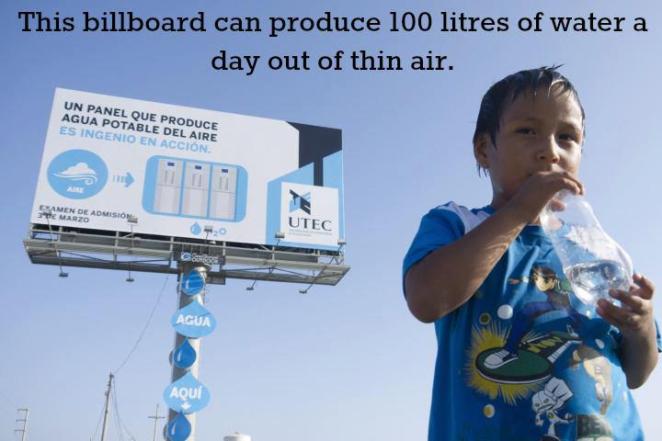
If you haven’t seen something like this before, the unit inside this billboard uses reverse osmosis to draw moisture out of the air so that it can be stored and then used as drinking water. What isn’t entirely clear is whether pollution gets stored in the humidity and molecules in the air and then is transferred to the drinking water. I suppose a simple filter once the water has been captured could help with that.

I’ve seen this system in action and they work great. I wonder if aid organisations like WaterAid use systems like this. It seems to me like a system that should be in every community that is struggling to find clean drinking water. Here is the story about this billboard:

http://www.laht.com/article.asp?ArticleId=700400&CategoryId=14095

Lifestyle Report – as of Mar 2013

This is my third Report (since 2011…oops! I’ve been busy) as a way of assessing my successes, targets, improvements and areas I need to be more vigilant with when it comes to simple, ethical, environmentally sustainable and community living.

It might not be an interesting entry to read but it’s a way to keep myself accountable and constantly improving my lifestyle. NEW to this installment is the addition of my recent vegan ways.

I’ve highlighted positive changes in green and backwards steps red. So, as of today:

ETHICAL/SUSTAINABLE LIVING

• grocery shopping (with % of how often I do it)
became a vegan (Feb 2013)
— local green grocer for veg (75%)
— leftover bread free at end of baker business day (10% – eating less bread but not near bakery anymore);
— skip-dipping/dumpster diving (0% – slack but they are hard to find and I’m not really looking)
— major supermarket for all else (80%);
— Fair Trade where possible (tea, chocolate, recent clothing)
— organic where possible/affordable (25% – food, soap & shampoo)
— use Ethical Guide to boycott bad companies, GM food (50% – need more vigilance here);
— boycott food with known cruel processes (100% where known)
— food miles, locally produced (50%)
— meat consumption (0% of meals)
— dairy consumption (5% – just a couple of slips)

• grow own food (5-10% – tomatoes, eggplant, herbs)

• household shopping: I only buy new from store if I can’t get from op shop or build myself;
— purchased new in past year:
—– furniture (0%)
—– clothes (10%)
—–accessories (15%)
—– car (0%)

• home energy:
— electricity:
—– solar/renewable = no
—– aircon/heating (15%)
—– computer (off at night)
—– fridge (2/5 star rating)
—– dryer (0%);
— water:
—– rainwater tank (0% – no longer have one)
—– grey water for garden (15% – washing machine only)
—– shower avg. duration (5 mins)
—– garden (10%)
—– dishwasher (0%)
—– washing machine (top loader 2/5 star rating)

• waste:
— food scraps (100% goes to compost);
— wasted food (5%);
— recyclables like glass, paper, aluminium cans (95% to recycle bin, 5% kept for food/household storage);
— wasted paper (minimal use of printer, kitchen & recycled toilet paper)
— wood (90% saved for building material); haven’t built much now that I have what I need!
— white goods, electronics, equipment (10% – new stereo receiver);

Areas to Improve: fewer food miles; support local; buy organic if it makes sense & affordable; grow more of our own food; continue to consume less energy & town water. As it gets colder, it is tempting to use more heating but I’ll just have to be as resolute as possible and put on more clothes! Press onwards with vegan lifestyle.

.

– – – – – – – – – – – – – – – – – – – – – – – – –

.

SIMPLE LIVING
• build most of my own furniture (lounge daybeds, coffee table, office desk, outdoor tables & seats)
• other furnishings have been donated (bed, futon, tv & DVD) or secondhand (kitchen table & chairs, office chair, rug);
• buy nothing that isn’t essential to the household or work
had to move stored furniture from Queensland to South Australia
• work less, spend more time connecting with friends & family; (has been a very busy past 3 years. Trying to find that work-life balance again)
• spend money on essentials, friends, charities;

Areas to Improve: connect more with real (not virtual) people

.

– – – – – – – – – – – – – – – – – – – – – – – – –

.

ENVIRONMENTAL
• approx. annual carbon footprint (avg. based on lifestyle as of today): 7 tonnes of CO2 (Aus avg. 16 tonnes; world avg. 4 tonnes). This is not including my poor flight behavior below 😦
• car usage per month – approx 400kms ; mileage (approx 10kms/L)
• bus instead of drive (15%)
• ride/walk/skate instead of motor transport (10% – 15min walk to shops)
• return flights in past year – domestic (6), international (1); Unfortunately, the past couple of years have been baaad. Last year was mostly the flights during our tour around the country for our documentary film.

Areas to Improve: take fewer flights; walk/skate/bus more rather than car; use less electricity; aim for 7-8 tonnes/yr CO2

.

– – – – – – – – – – – – – – – – – – – – – – – – –

.

COMMUNITY
• I now live with my wife so no more commuting to see one another; most friends are the same distance or closer now though
• intentional community living (share house or close living) = no
• share property or resources with community (some household items, driving, food with my wife’s best friend; borrow from other friends occasionally)
• collect hard rubbish from neighbourhood
• engage in conversation or help with mentally/physically challenged people in neighbourhood (0%)
• give to charities (monthly to: 1 x global aid, 1 x animal, 1 x activism organisation, 1 x community fund )
• volunteer with some friends’ and charitable projects
community gatherings for shared weekly meals and social activities

Areas to Improve: aim to achieve closer and more intentional community; share more resources; be more accepting of minority/disadvantaged; give more to charities; get more involved with meaningful & helpful projects

MARCH 2013 SUMMARY: overall, doing the right things still but still not socialising much due to workload. Some areas I can still be a bit more green. Would love to get more friends to jump onboard different aspects of sustainable, ethical or green living but am still trying to take the approach of “be the change you want to see in the world” however it is not always easy not to promote/preach, be judgmental or not be hypocritical…