Di and Ruth: compact community

~ DESTINATION ONE: STRATHALBYN ~

Community can come in small packages.

In our planning leading up to this little adventure of ours we’ve gone and chosen some communities to visit solely based on a paragraph or two of information via the ic.org website, our WWOOFing book or a brief phone call. Reducing the decision to a small set of “highlights” based on some preconceived ideas of what community is all about will undoubtedly reveal some surprising realities once we arrive, but I’m beginning to believe that this will be the joy of the experience – if we allow it to be that way. Our first community experience has already been that way: before arriving, I had conjured an image of what sort of “true” community could possibly exist between two people, but it has already proven to be an unexpected learning experience.
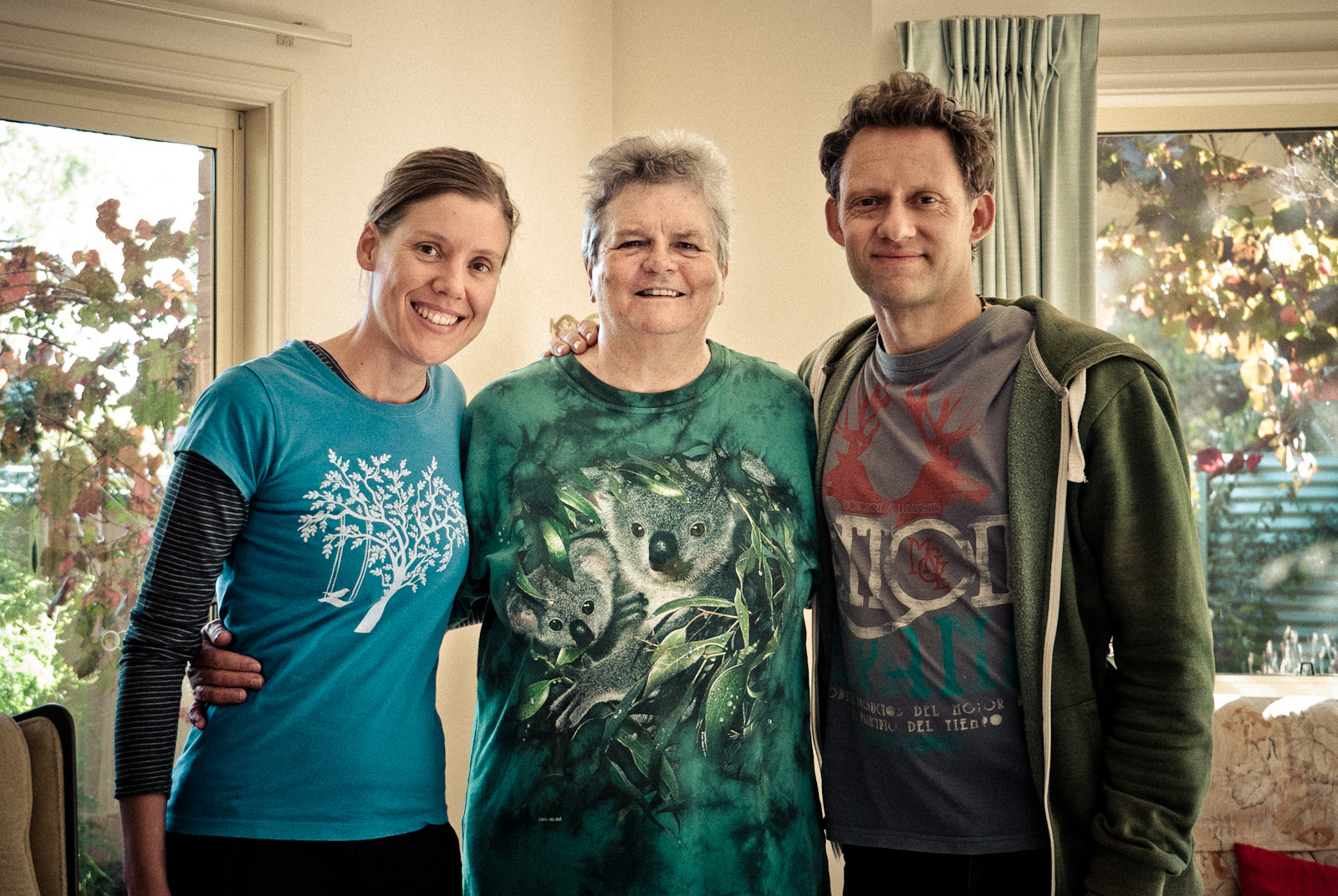
Heidi, Di and Mike

Heidi, Di and Mike

The baby steps of our 2-month trip took us to the homes of Heidi’s spiritual director Di and her friend Ruth. From the start, Di was comfortable using the term community to describe her and Ruth’s setup: conjoined properties consisting of two houses with no dividing fence and a shared backyard. Ruth and Di, who have been friends for 40 years, move between the two buildings freely but that divide is enough to provide some individual expression and some personal space to be able to retire to whenever they each want it.

So, looking at the way I perceive “community” to mean, I see it as:

  • a group of people sharing resources to reduce their collective environmental impact and save some redundant expenses;
  • living in close proximity with one another so that regular interactions are encouraged;
  • some common interests that connect everyone;
  • an overall care for one another’s well-being;
  • having shared experiences with like-minded people that enhance life’s journey

In this context, Di and Ruth are easily covering many of these points, but are simply doing it (at the moment) between the two of them. Their focus might not be so much on environmental concerns, plus having only two people to do everything can have its downsides, but their positive outlook, ease of lifestyle and welcoming hospitality definitely made it feel like they were creating a larger community than just the two of them. I definitely felt like a big warm hug was embracing us while we were there 😀

In planning this trip, we had broken it into roughly two parts: intentional communities and WWOOFing stops. However, I’m now beginning to think that the line is blurred with solid community likely existing in the WWOOFing stops as well. If Di and Ruth are an example of how it can be with just a small community then the places we are looking at who are often connecting with families, other like-minded individuals or the wider community will possibly have a similar feel. In other words, I will try to not place everyone in a tidy box before I experience what their version of community has to offer!

Go forth with an open mind.

Our preconceptions of what we expect to encounter on this trip will certainly colour how we actually experience it, as it was pointed out to us by Michael, a guest at dinner the other night at Di’s home. Michael had traveled extensively through Australia and abroad living communally and was a valuable addition to the conversation. His arrival at this meal was particularly fortuitous as our host Di had happened to bump into him the day that we were visiting and so we could pick his brain a bit regarding our own travels.

The advice Michael provided was useful but was one of the few things he actually told us (as not to contradict his own advice) was: the less we impose our own biases onto an upcoming visit to a community, the more we’ll get out of it. Upon arrival, it’s too easy to initially judge the way things are done by others if they don’t sync with our own methods, but if we wait, listen, learn and absorb, in due time we’ll get a more authentic view of how the community ticks. That’s not to say that our own perspective isn’t valid but it’s easy to arrive somewhere and think “why would they do that like this?” or “this community is broken here and here and I could do it better”.

Saying this, I think I’d like to experiment with my own bias and I plan to write a short paragraph before my forthcoming community visits in which I explain my own expectations and predictions of what the place will be like. I will be basing it solely on what I have read about the place, the vibe I get from any contact I’ve had with them, and my own biases like judgments about animal rearing/eating or lifestyle decisions. Hopefully this will help me examine my own reasons for thinking the way I do and see if I am putting too much emphasis on what’s in my head rather than what I am experiencing with an open mind! More to come…! 🙂

PS. Sorry for the analytical ramble: at this stage things are less about experiences and more about theory!

You can also view Heidi’s take on this visit to Di and Ruth in her blog at Miss Roo’s Adventures


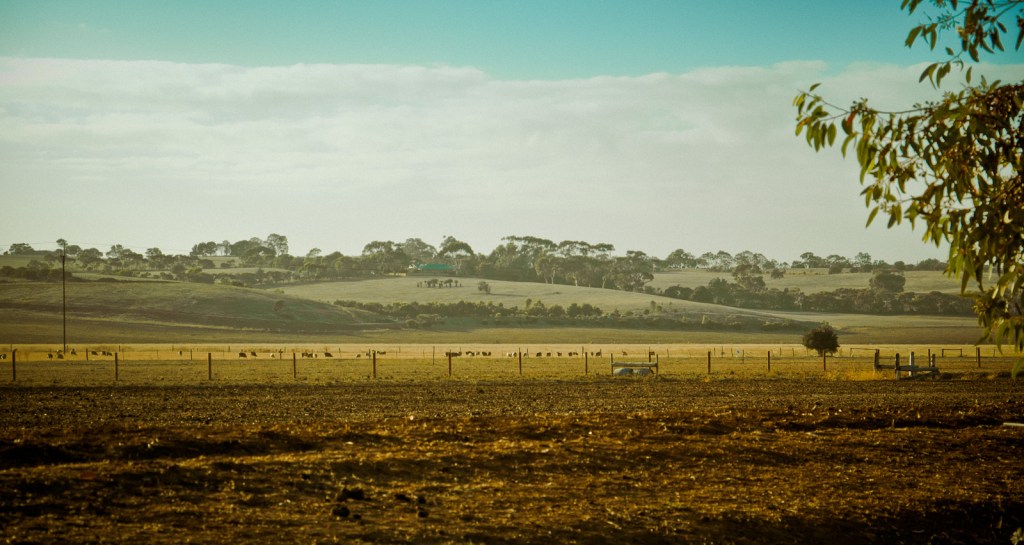
Strathalbyn

The beautiful town centre of Strathalbyn


On the cusp of departure…and adventure!

“Go confidently in the direction of your dreams. Live the life you’ve imagined.”
Henry David Thoreau

Maybe slightly less confidently than Thoreau is coaching us to believe, we’re on the cusp of leaving on our (cue mystic yogi guru voice) journey of discovery in two days’ time. Having spent the past 5 weeks in a well-appointed house in a good part of Adelaide during a festive time with good weather has meant that we have actually positioned ourselves into an easier form of living than we had even before we started house-sitting. We perhaps aren’t “living our dream” of community just yet, with the relatively cushy nature of our situation until now making us a bit lazy and reticent about our forthcoming travels.

That’s not to say we aren’t excited. We’ve worked out most of our trip plans which will include as many different types of education and adventure as we could muster: some straw bale building workshops here, a bit of permaculture appreciation there; intentional community living, big and small; urban development and 91-year old Scottish poets; off-grid, aquaponics, organic farming and yoga; social activists, tipi builders, vegans and non-violent communicators. When we start looking at the variables, it’s an intriguing mix of choices!

(Writing is a bit cathartic, as my earlier lazy apprehension is turning to adventurous hopefulness the further I get into this blog entry.)  ☺️

So we embark on the first stage of our trip on Tuesday morning, invited by our friend Di (she was one of the tandem that married Heidi and I) to experience a version of community with her and her neighbor. From there, we spend Easter with Heidi’s family before heading to Daylesford, Victoria on our first “official” stop on the adventure: a lovely-sounding dog-friendly sustainable property featuring old trees, lots of birds, tipi camping, straw bale building and a couple of friendly folk named Sue and Don.

Mr. Thoreau will then be pleased to hear that by the time we do find our way to Daylesford, I have a feeling that we will be going confidently in the direction of our dream. ☺️

Justin Timberlake wants you to go to Veganville

Ah, Saturday Night Live…I can’t watch you anymore from Australia but there are still some classics being made. JT was always good at making memorable ones:

The thing I like about this as well is that there is a message in the script but it is carefully written as to not be preachy. I think that is powerful and very effective! (I think it’s at a funny angle cuz it probably has NBC unhappy it’s being shared. Still fun to watch…

(Sorry that the link keeps going dead. NBC and their tyrannical ways keep making people take down copies of this skit from YouTube. Idiots)

Free energy will save our world

Poor planet Earth has so many problems with us humans as we plunder, ravage and abuse this green and blue sphere that we call “Mother”. Climate change is in full swing but worse than just increased earthquakes and dirty air is the fact that we simply cannot sustain ourselves with the amount of energy we use nor will we have enough clean water to drink in the foreseeable future (certainly some parts of the planets are far beyond this already).

What was needed was some directed thinking by some of the brightest minds in the world to come up with truly clean, limitless, sharable, cheap energy….and they may have done it! Watch this encouraging video from a presentation done at a TED event:

Lost in Asia

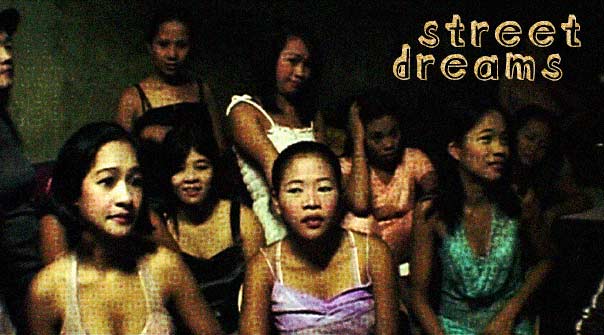
Just a short message to say that I haven’t been deliberately slack at keeping the ol’ blog up to date, but I’ve been writing in my other blog during the past month and a bit as I’ve been prepping for and traveling in SE Asia for the documentary I’ve been filming. The film is called Street Dreams and deals with the problems of human trafficking and the child sex trade due to poverty. We’ve just got back and there are many things I can write in here which directly correspond to my interests in the environment, climate and sustainability so I’ll be sure to get to that soon when I’ve had a chance to proces what I’ve seen and experienced on the trip! So, Stay Tuned! 🙂

Letters of concern

I recently had an email conversation with someone about corruptible actions and thinking in our society and why making positive change in the world is critical, albeit challenging. To me, this type of conversation illustrates the type of thinking that is common these days when trying to get people to consider change. People think that one person’s voice isn’t strong enough to be heard so what’s the point in trying, whereas I believe that change can happen but each individual has to have the strength and courage to move against the trends and face possible backlash for supposed unpopular thinking. Here’s how the conversation went; it all stemmed from my opinion that the whole Royal Wedding is a blown-out spectacle which celebrates the vast gap between the monarchy and celebrity with everyone else, lavishly spending money on a diversion from the UK (and the world’s) much bigger problems (I was probably feeling a bit grumpy to equate these things so adamantly, but I don’t think it’s untrue):

~ Correspondent:

…it’s nice to see some happy news from Britain as they have had lots of negative news in the last few years. Who cares anyway if this is what makes people happy! ….your opinions…makes you sound very preachy/lost your sense of humour…

~ Me:

Just because I don’t agree with the “distraction” of spending huge amounts of time, money and effort on some out-dated show of wealth and pomp doesn’t mean I’ve lost my sense of humour.

This wedding is just another example of how people get sucked in to spending tons of time and money because of “celebrity” and “glamour” which is a HUGE part of why everyone in the Western world is quite complacent that this has become “normal” activity and someone like me is a freak if you think otherwise. I find it frustrating. Had the monarchy said publicly that they were deliberately scaling back this multi-million dollar wedding production so that they could support a good cause with the money that they would’ve wasted on nothing but a showy display of excess, then I would have been right there to support them. But they didn’t and this is just more rich people throwing their money around and giving everyone else an excuse to do the same.

Do you ever just sit and wonder why you live where you do or have what you have while many people – most people – in the world don’t have the same? Should we in the Western world feel that it is our right to be able to live the comfortable life of excess? Why are we so privileged? And yet, that’s exactly what people think; they don’t give a second thought to buying a new giant tv or expensive car because what’s important is themselves. If everyone just shared this wealth around a bit, the world wouldn’t exist with such extremes and so many people wouldn’t be living so miserably.

This wedding itself isn’t just the problem I have with all this but rather the cynical corporate marketing, television and broadcasting, celebrity-idolising, glamourising and bandwagon-jumping that goes along with it. Meanwhile, there’s a lot of problems being ignored because everyone is having such a grand old time.

I guess I can call myself an activist these days as I don’t mind being a bit preachy as long as someone occasionally listens. I try not to be too judgemental, but as soon as you take off the blinkers and really look at the world, you can’t help but feel this way. I want to make a difference. I desire change. I want people to be able to have both personal enjoyment but also really, truly care about their fellow global neighbour and the planet we live on and actually take action against injustices. If everyone did their part, we’d all be a helluva lot better off.

~ Correspondent:

I fully sympathize with your activist stance. The problem lies with the human race itself. If you compare the earth to a healthy cell, then the human race can be compared to cancer, and the cancer is growing exponentially. We are an overwhelming force that is mowing down everything in it’s path and it’s virtually impossible to stop it. The fact is that once those loveable people in the Third World get their hands on the same goodies that we in the Western World have, the planet will start deconstructing even faster than it is now. For the last several hundred years every successive generation has been more spoiled (if you want to call it that) and destructive than the previous one. Concepts such as “religion” and “progress” have driven us down this path.

Anyway, all I’m saying is that I understand the problem but, while I admire the work of activists everywhere, I think that it’s going to take something cataclysmic to turn things around.

~ Me:

The feeling I get from you seems bleak: are you saying that humanity should throw in the towel as we can’t fix ourselves anyway? While it is a challenge to see positive potential from a world that cherishes materialism and rampant excess, I believe we need to use the idea that every lit bit counts and that some of the biggest revolutions the world has seen have come from as little as one person (eg. Gandhi). If we just give in, then we’re all doomed to living a very dark, joyless existence so why not just kill ourselves now to avoid having to live in such a world?

I’m sure you’d agree that there are many wonderful things in the world and life that are worth standing up for and preserving, and it’s that kind of motivated and positive thinking that needs to propagate broadly throughout all people. In order for that to happen, people need to be reminded of their obligations to their fellow humans and to the rest of this one planet we have at our disposal, and start showing respect to it at the expense of some short term pleasures. Sure, they may have to give up the odd possession to ensure that we’re not overburdening our resources, but that gaining back of one’s integrity through self-restraint will ultimately be more rewarding than the material possession. Of course, it’s hard to show someone that money isn’t everything and that they can gain a lot more out of life by looking into other areas.

You might think that the Third World is doomed to making the same mistakes as we have, but I think the opposite: we have a huge opportunity to show them the err of our ways, but it requires each person to make a small sacrifice in time, energy, money and willingness to confront those around them to make the change happen. I really like the saying “Be the change you want to see in the world” as it so aptly describes where those improvements have to stem from: you. And me.

Throwing in the towel in my book is unacceptable if for nothing else than to have respect for this planet. I’m the same as you when it comes to the human race: we are a cancer that has ravaged the planet and who treat each other terribly. I’m not always a huge fan of our species. I have a lot of respect for other species and their ability to not impose themselves beyond certain boundaries. The trouble is, we need to rely on our species to do the hard work to make the world a better place for them, and then, in turn, for us. But like the animals, I believe that there’s a lot of people not being given a fair go either and so I’m a big proponent for equality: for people’s working conditions, wealth distribution, basic needs and well-being plus their general right to have a life filled with security and love.

– – – – – – – – – – – – –

What do you think? Am I out of line to press these issues or is it high-time people start opening their arms and embracing positive action and try to make the world a better place? If we stop fighting for something more, something better, then what’s the point to our very existence?

Human trafficking and the flesh trade

As a determined proponent for ethical living, I try to do my part in a couple of ways: charitable monthly donations to various groups but also in film-making, my career and passion.

For a couple of years, the film-making didn’t have a particular focus; I was just interested in the medium and wanted to tell stories. I’ve gradually become more visually oriented and am just as keen to shoot the story as to tell it. But the focus of the content has become clearer as I’ve been working more with care-givers, support agencies, churches and disadvantaged people; I see that I am making films about compassion. And empowerment. And vulnerability, empathy, caring, people-over-profits, hope and love. It’s very encouraging to have your eyes opened to ALL the people of this world, not just my immediate community or country, as there are so many amazing stories and people out there. There’s a lot of challenging and often sad stuff that comes with that, but in every struggle, there’s a voice to be heard, someone who has something important to share, and I feel like it’s my responsibility to be listening carefully.

Ethical living in the respect of how we live here (in Australia, in the western world) often comes down to how we spend our money and the footprint that we are leaving on this planet. However, sometimes ethical living needs to be more about the welfare of people afar due to the inequities and injustices that are being done to them as a result of things that aren’t as obvious. Two of those things is human trafficking and international flesh trading. This has become the topic of a documentary that my film partner Jason and I want to shoot for our company Red Earth Films. The film is going to be called Street Dreams.

There are literally millions of children and women (mostly) who are virtually (and sometimes, literally) enslaved as workers in many parts of the world, and often this “work” is in the sex industry. The primary reason for wanted to provide greater exposure for this fact in our film is less because of what they are doing, but how they’ve come to be there. Through an endless cycle of poverty and abuse, these women are forced as children to enter a world where they are prostituting themselves to support their often broken family, broken due to prior abuse but not perpetuated from this line of work selling sex to violent and abusive customers. Often these women (or girls) were raped early on, then are shamed in their community and so feel compelled to, if nothing else, support their family financially as they are now outed for religious or strict cultural reasons. This is very briefly covering only a small part of the problem as there are also the issues of international exploitation, corrupt and seedy lawmakers, unethical and amoral behavior, outdated and unfair male dominance and so much more.

However, our film aims to fuel hope for these girls. They don’t need to feel shame and resort to the sex trade. Nor must they feel that this will go on forever; with small NGOs and individuals out helping girls become educated, trained in other areas and having their self-confidence restored, there is a great deal of action on the ground that provides a reason for hopefulness. We aim to explore the people who are providing this hopeful light as well as exploring what personal dreams and ambitions the girls have as they go down the road to potential rehabilitation.Seeing them overcome the inequities of their world and rise above it would be an amazing thing to see and capture in our story.

We’re very excited about this project and are currently fundraising to be able to visit South-East Asia to shoot the film in a couple of months. If this sounds interesting to you, please visit our website for more info. We feel it’s an important story to tell and everyone is better off when injustices like this are exposed and action is taken.

Struggling, but kinda not…

Just a quick note on simple living when you’re a freelance artist and always kind of broke: it’s better than being kind of broke but with a mortgage, kids, a massive credit card debt and other sizable monthly expenses! That’s what I’ve been telling myself of late as I struggle to find work and am just getting by financially. If I had any lifestyle other than a simple one, I’d be forced to get a job I didn’t want, working too many hours and becoming a slave to my work and my debt. I might get myself out of debt, but then I’d be working too much, lured into spending frivolously, and then so the snowball grows…

Anyone reading this who makes a decent living financially is probably thinking I’m an idiot, suffering when I could be working in order to pay for the “good things” in life. There are times when the idea of greater financial security sounds appealing, and perhaps I just need to organise myself a bit better still, but the hardest part I struggle with that scenario is the working/commuting for 1/3rd of your life (plus sleeping the equivalent) and just squeezing in the real living we should all be doing. And by “living” I don’t mean shopping, I mean spending time with family and friends, following hobbies and creative pursuits, being altruistic and helping the needy or at least people around your community, being healthy with lower stress and greater chance to be relaxing and enjoying life – the real good life.

The great thing I’ve learned about my new lifestyle is when I get in a financial pickle, getting myself out of it is 10 times easier when the hill is not so insurmountable, like it was in the past. I’ll admit that sometimes I just want to go out and have a nice meal or just not have to think so carefully about my cash-flow, but when I think about the sheer number of things I have on my list of hobbies that I’d like to achieve/finish, I could never go out again and still not get through half of them! On top of that, I want to be able to spend time with my girlfriend or other friends at the drop of a hat and not be stuck at work, only fitting people in in evenings or weekends. I live for flexibility in my life!

Anyway, I’ll tighten my belt this week, push through a couple of pending jobs to get paid, and then a relatively small sum will carry me through for a couple of weeks. In the past, that same amount would last me half as long or less.

Intentional Community living

“Intentional” and “authentic” community living are a couple of words/phrases I had never heard before about a year or so ago. When you live in a city in our society and follow the rest of the pack, like I did (and still do, to some degree), you are led to believe that we should spread ourselves out – wayyyy out – sprawling our cities to the max, stake out our 400-600 sq metres+ of land, and live at arm’s length from our neighbours and also, effectively, from the problems of the city/world. This “buffer” gives us our private space to stretch our legs, let the kids safely run amok, put in a swimming pool and successfully segregate ourselves from everything that might impinge on our peace and quiet and security. What it is also successfully doing, however, is isolating ourselves increasingly more from other people and their needs, struggles, support, and face-to-face interaction.

I personally tend to batch together the ideas of intentional & authentic community living as I think there are elements that overlap: intentional communities can be defined as a planned residential collective of homes and people who work as a team to see through their common visions and goals together, sharing responsibilities and resources including traditions, beliefs or spirituality. A brilliant article on this idea is at the Intentional Communities website (IC.org). In her book Designing Social Systems in a Changing World, Bela Banathy describes authentic community as “a group of individuals who have developed a deep and meaningful commitment to each other and to a shared meaning or purpose.” These members of the community “feel that they belong together believe that they can make a difference in the world by pursuing their shared vision and purpose, communicate with each other openly, honestly, and creatively”, deliberately avoid a hierarchical or bureaucratic system of organisation, instead “govern[ing] themselves by shared stewardship,” and nurture and practice genuine development of the members of the community, “taking full advantage of their unique and collective potential, knowledge, skills, creativity, and intuition.” There is a tendency for spiritual groups to use authentic community often to describe this coming together, but I think it has many other exciting applications as well.

[ check out our intentional community trip in 2015 ]

What I like about this whole concept is that it starts to knit back together our social networks that have becoming pulled apart and frayed by this suburban sprawl and our thinking that we are better off barricading ourselves from the people around us in the name of security and privacy. The thing is, I reckon the world was a much safer place in general when people lived more communally, with generations of families under the same roof, with “tribes” or communities integrated together with their kids playing safely with each other and people generally having much greater support systems all around them. The only reason we build the walls is because we don’t know our neighbours so we don’t trust them; we don’t let our kids just run off and play down the street unsupervised because we don’t trust anyone; parents take their kids to daycare because they have to pay for the expense of having so much unshared space in their protected private property which they’ve walled off from the neighbours who, had they got to know them better, would be able to communally take care of the kids. And so on. That of course is a minute tip-of-the-iceberg of the snowballing problems of how far our society has strayed from a true sense of community, but you get the idea…

OK, this wasn’t supposed to be a rant! I get that way a bit, don’t I?? 🙂

Getting back to why I like this concept, I think there are so many benefits that would make my life better, not only because of the type of person I am (keep to myself and lazy at making friends but enjoy and need those closer, personal relationships; increasingly environmentally and ethically-oriented lifestyle; need a better support base for struggles and personal growth and understanding), but because there are so many interesting dynamics that come into play when you get similarly-minded people coming together to invigorate and enhance their own lives and those around them. Or as Geoph Kozeny puts it: “a feeling of belonging and mutual support that is increasingly hard to find in mainstream Western society”. A lot of people have some of these networks in place and still live in the segregated lifestyle that I mention above, but they live a distance away from friends and groups that meet occasionally and require a lot of wasteful driving time and energy, and leave big gaps in between. I am increasingly craving the ability to have all those benefits available on tap.

I will outline my “idealistic” (and hopefully not unattainable) vision of intentional/authentic living in a new blog entry which I make as my master wish list, expanding on it as time goes on. Over time, it’ll be interesting to see if this type of community living can be achieved, and if so, if it lives up to the billing that I am giving it! It would be exciting to chronicle the process and see what unexpected challenges and achievements would come of it. I’d still love to hear from anyone living this way!

Quick links:
Bindarri Cohousing and intentional living Australia
Amazing list of all the worldwide IC’s (intentional communities)
Excellent article on what IC’s are

Actions + words

Sometimes I think it’s easy to say but not do (when really you should), while other times you do but don’t tell (when really you should).

I find it’s so easy to either say or think that I should be doing something a certain way (like being more ethical, doing more exercise, helping people, eating more healthily, being more pro-active with many things, stopping unproductive behavior…to name a few), but then get stuffed up when it comes to putting these things into practice. Conversely, some activities are easy to do (eating unhealthily guilt-free, spending too much time on Facebook, enjoying the company of friends), even ones that might have been difficult in the past or are sometimes difficult for other people too (living simply with less stuff, earning less, shopping a bit more ethically/organically/fairly, focusing more on other people than myself), but don’t get talked about.

For example, today I woke up with a wretched pain in my back from an albeit long, 13-hour workday shooting a wedding yesterday. Fair enough, I was on my feet nearly the whole day, but the pain was made worse due to my aversion to exercise. Even simply doing a few crunches every day will strengthen my torso and keep my back from bearing all the load. I know this stuff, but I don’t just do it. A few minutes a day will save my ongoing pain and yet I just can’t get myself to expend the effort. I even say these things to myself while sitting in the kitchen eating a block of chocolate (Fair Trade chocolate, at least!). Sigh. These words are something that need some action attached to them!

On the contrary, I have surprisingly easily slipped into a low-consuming life, becoming quite adamant about staying away from consuming holy lands (aka. shopping malls), taking a hard line about racking up credit card debt, building my own furniture, being careful what I eat and how much I eat out, and being satisfied in general with less. While I act this out every day, it wasn’t until very recently that I’ve been talking up this lifestyle (in this humble little bloggie-blog!), something I still feel a bit funny about though as I am not pretending to know what I’m talking about.

Perhaps what I’m trying to decide is when is it important to just act with no words, when is it good to have words but no action and when do you need both?

I’m always quite happy to lavish my lovely girlfriend, Heidi, with lots of thanks and praise for guiding me into this more responsible world of frugality and giving, but she has learned with her lifestyle choices that sometimes actions need to speak for themselves. As I believe she quite rightly assumes, people are very reluctant to be told that they are doing something wrong and should change; they need to just see how it works for someone else and feel inclined to question why you do what you do. Seeing that this way of living or things that you’re doing makes them happy or less stressed or just feels right, might incite them to do it themselves, or at least ask more questions. One can always hope that if it’s a good thing, the idea or action will cascade through to their friends and so on and so on

Maybe words and actions are both required sometimes though; I was just reading from a brilliant and well-written book The Rough Guide to Ethical Living, and they suggest that it’s all well and good to eat organic, shop Fair Trade and make other ethical decisions about where your food and products come from, but sometimes the action of making the right choice needs to include a message that communicates what you’re doing. Simply making the choice doesn’t specifically tell one brand or retailer why you’re not shopping with them (if it’s due to their brand/product being seen as having poor production practices, eg. treatment of people or animals, poor emissions, or marketing practices); you need to not only make the purchase, but indicate what your problem is with the other brand/product. Even more ideal and impactful in terms of acting and telling is to cut your own carbon emissions then writing to your local MP and “encouraging them to lean on the government to pass legislation which requires everyone to reduce their greenhouse emissions.”

This is sound advice; I think I’m going to get into the habit of regularly writing to retailers (like, Coles – boycott Nestlé!), writing to brands (like, Nestlé – irresponsible marketing practices!) or MPs about a variety of green/sustainability things. I hope anyone reading this can challenge themselves to put into action at least one thing that they have been telling themselves to do but haven’t acted on it; or conversely, if you’re doing something great but no one knows about it that’s ok but you could be influencing a whole lot more people with being a bit more pro-active with letting them know about it! But don’t listen to me (yes, listen to me! heehee).