
Twelve years ago, I had a lightbulb moment: living simply will solve many of my problems, plus those of the world as well.
I wrote this blog post about my initial thoughts on the subject which were largely based on: theory, watching my girlfriend (now wife) and her friends living that way, plus early positive experiences of my own. In the intervening years, Heidi and I had honed our practices and eventually put our money where our mouths are by building a tiny house to experience a true sense of *minimalist living.
At the time in 2011, human-induced climate change was only just getting a bit more coverage at last but I recognised the strong link between our lifestyles and the significant impact it was having on the planet. I’m glad that I felt the need to make personal changes (I even started to document my accountability) as it has served me quite well over the years plus I have felt confident about advocating for greater change amongst my peers and the community at large.
So is it possible to Live Simply in a manner that is both satisfying and fulfilling but honest, mindful and effective? Is it possible to be comfortable enough to not feel like you are missing out on life’s highlights while knowing that your ethical commitment to sustainability is truly having the desired effect on the climate and wellbeing of the Earth?
From a Western perspective, I think my answer is yes and no.

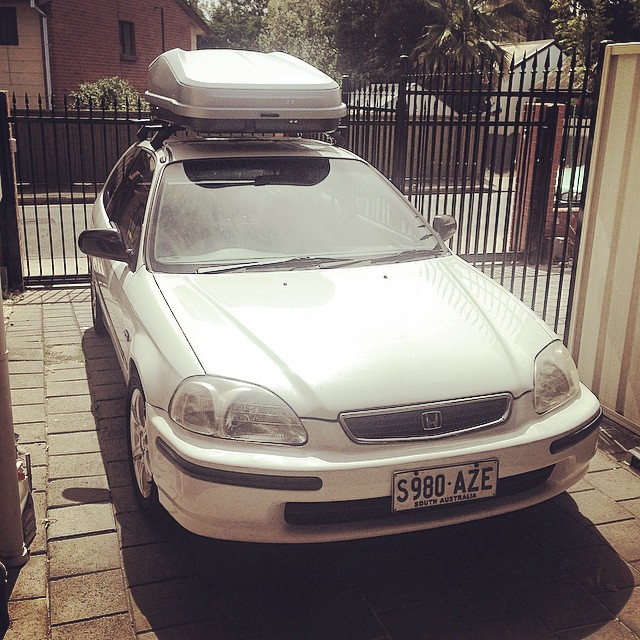
Heidi and I live in a tiny house, buy very few “luxuries”, purchase hardly any new clothes (me) or nearly all clothes secondhand/homemade (Heidi), travel on flights increasingly less, own one car, don’t eat meat or dairy and largely limit our general spending to essentials. Part of this is economic as my earnings have been scattered the past few years. If I were earning more, there’s a good chance that I would buy (or at least upgrade) more tech gear as I am a sucker for that. I might eat out a bit more. And if there was a bit more money available I might be inclined to travel overseas a bit more as my family are overseas but also one of my loves is exploring the world. Importantly though, having begun my simpler living journey, I recognise how liberating it is, therefore any tweaks or added perks I might add would stay within a construct of this lower-consumption framework and therefore kept in check.
At the core though, I am still a spoiled Westerner who has opportunities that many don’t have in this world, and this will always inform the idea of what “comfortable living” is compared to, say, Somalia or Bangladesh.
My current earning constraints are of course keeping me in check for now then; but am I happy about that? Is it healthy to limit ourselves for big picture improvements? I personally think that restraint is always good with humans as we have shown time and time again that when given limitless power or money, our greed is fairly insatiable. By living in both a tiny house AND on a low income, I am confining my ability to expand my collection of STUFF as I have no money to buy it and no place to put the stuff anyway.
Interestingly, with inflation and housing prices going through the roof over the past couple of years, the ratio of my cost of living to earnings has actually levelled out far more than that of a more mainstream lifestyle in Australia. As our house cost relatively little making us mortgage-free and our low-expenditure lifestyle means outgoings are easily controlled, the fact that we have a modest income balances out things well. In fact, between us, Heidi and I don’t even work one full-time job which gives us far more time to “smell the roses” in life and not be robbed of our best years working ourselves to death.
Now, I could say “I wish everyone lived more like this” so that we could make true change in the world, but I know that we benefit from things like generous hosts for where our home is parked plus generous family that helped us build the house in the first place. There are not only a great deal of laws in Australia and other Western countries (in particular) that would need to change in order for more tiny houses to be parked anywhere legally, but cultural shifts would need to change from a wealth-acquisition mindset to an environment-first one not to mention minimising dramatically (eg. Australians live in the largest houses in the world, on average).
I still hope for some shift away from our affluenza as it will not only benefit people individually by escaping the cycle of modern-day poverty where people living on six-figure incomes are still struggling to get by due to their huge mortgages and consumption-based lifestyles, but actually will have the effect of giving people back stolen time that they could be spending with family, slowing things down and increasing true happiness, not temporary happiness that they purchased in some form. Critically, a trend to minimalism and reduction will take enormous strains off our planet – from improved air quality to reduced rubbish in waterways to fewer raw materials being consumed to less land clearing to lower stress and improved health of people at all levels of the system. The only ones standing in our way are the billionaires who stand to make far less wealth under such a Minimalism Revolution.
Returning to the idea of “missing out” on parts of life if we choose to reel in our consumption, it really just comes down to practicing restraint compared to now. I am convinced that the West will never be able to reverse course completely, but the incredible strides that could be made by vast reduction – not necessarily elimination – of our most damaging desires, would have a profoundly positive impact. For example, a common one is to reduce meat and dairy several times a week; if everyone halved their typical consumption, this industry – one of the most polluting of them all – would shrink proportionately, leading to significant improving air, water, land use, animal welfare and human health.
In this way, the restraint becomes something to value and give personal strength, so you can appreciate something more when you get to have it again rather than taking it for granted. If we wind back the clock to a 70 or more years ago, the “Sunday roast” was still a special thing because people didn’t consume meat every day like now (with meat and dairy in most meals for some people). I think the perception now is that these traditions justify the idea that humans should eat meat whenever they’d like, where in fact if they were taken more literally it would show that occasional meat-eating was the norm and far better both for health and the environment. Of course, my hope would be that people would realise that giving up animal products is the best option of all, but that’s a different conversation!
Another example would be using the repair, reuse, recycle philosophy: rather than getting rid of something because it is slightly old or has some wear or even some damage, we learn to fix/mend/improve or be part of a community that can help us where we cannot do it. For this we would also need to pressure companies to make more things reparable, have stronger communities that can efficiently tend to these items and re-jig society to slow down consumerism in exchange with promoting pride in our ability to be resourceful. The personal outcomes for individuals here are expansive: a lower-consumption society vastly reduces waste and costs associated with it, it significantly lowers emissions, it reduces financial stress and the need to earn as much or work as long/hard, it reduces slave labour demands and resource depletion, it fosters community through sharing/repair, and much more.
So can we enjoy life living simply? Most definitely yes! The power of restraint leads to inner strength. The reduced financial stress of not over-consuming and needing a larger home and/or wasting more time working to support your lifestyle, is liberating. Smaller homes are easier to clean and maintain, reducing chore time. Living simply gets you outdoors more and encourages healthy activities. It’s not about denying some of our needs and pastimes like eating out, buying a new item, going on a trip or types of entertainment; it’s about being smart and resourceful while exercising healthy restraint.
*minimalist living in the Western sense. Having travelled to places like parts of SE Asia, Ethiopia, South America and Papua New Guinea, I recognise what true simple living looks like. I still live in a comfortable home protected from the elements, with heating and cooling, technical conveniences and safety.


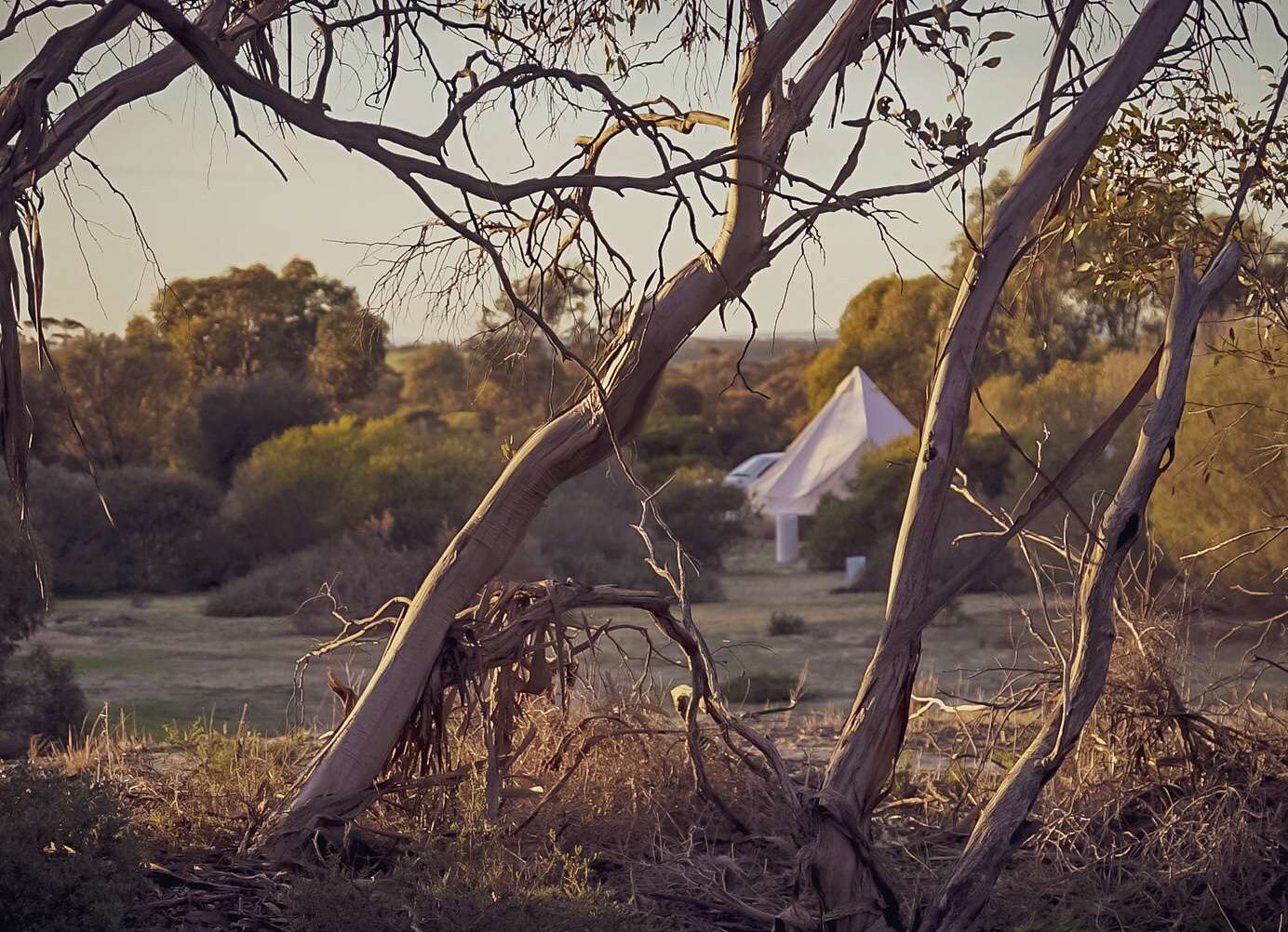
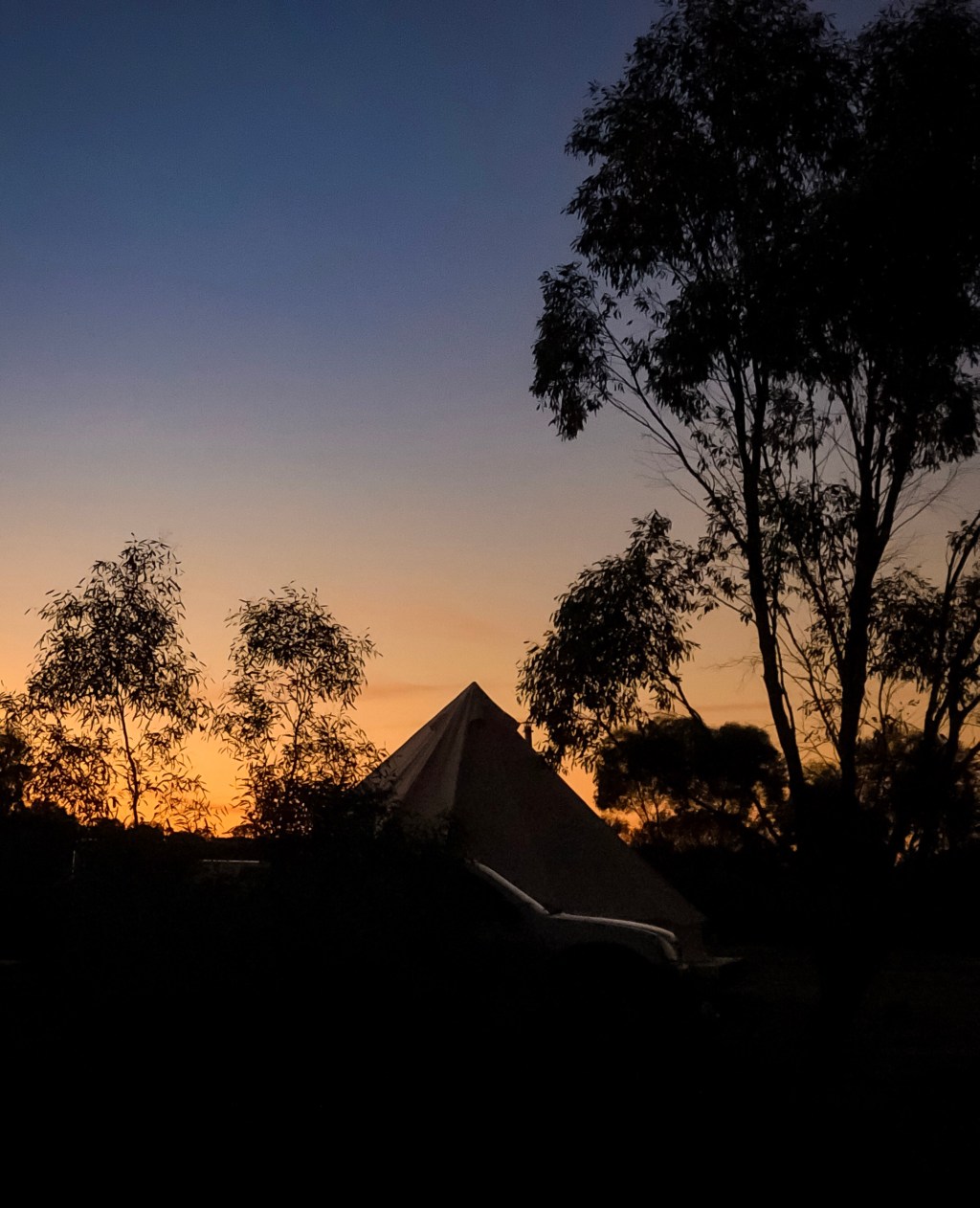
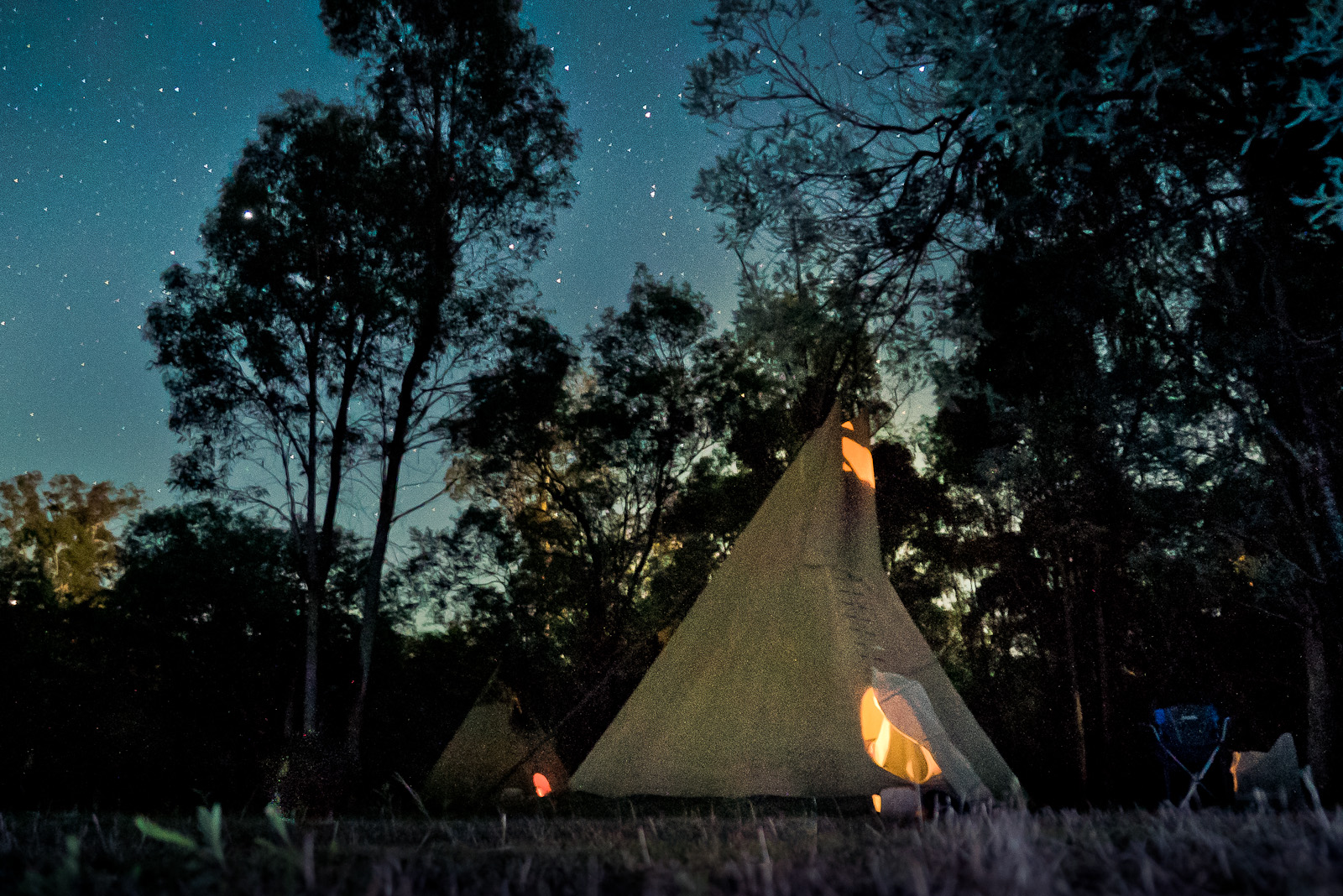
 Not only busy, but fretting about my capabilities not only in terms of our little tent village, but what I’ll be like building a “proper” dwelling. I spend countless hours frustrated with stupid tasks like figuring out how my solar panels should be mounted or how plumbing works or what a good composting toilet should function like. Everything takes WAY longer than I feel like it should. WAY.
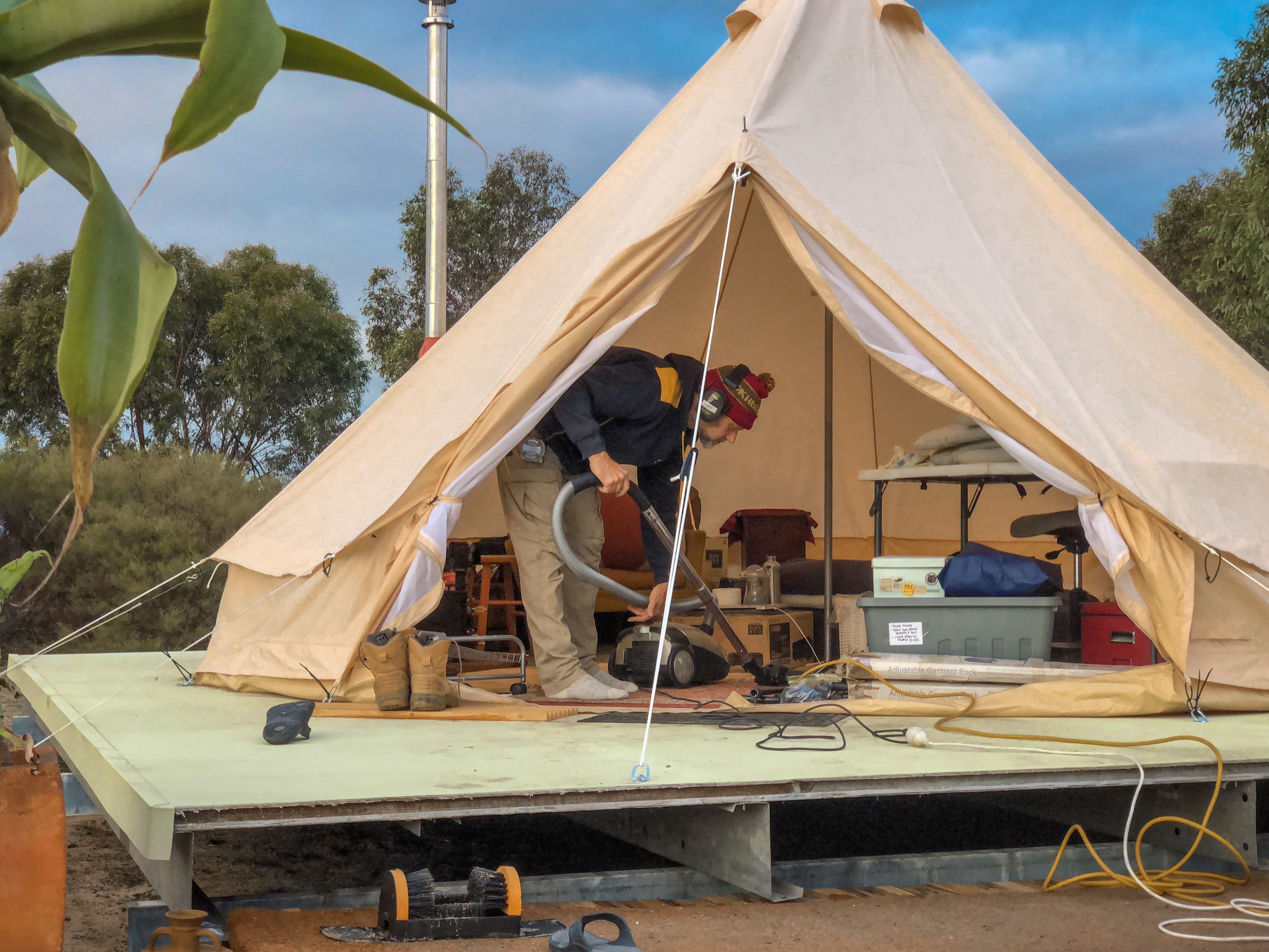 It’s not only the time taken but my mental anguish of not knowing how some basic stuff works after many decades of being on this planet. The dumbfounded looks I got at the electrical shop when I was talking about how 12V set-ups work or what material my ground wire should be makes me feel like I’ve been living in a cave. Of course it seems like every Australian goes camping and so they all are experts at 12-volt everything, but I’m just a noob who knows how to use a camera and his computer and that’s about it so it seems.

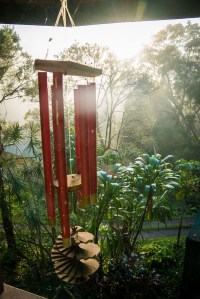 These communities are just foreign places where a different breed of people live, and I think of the inhabitants as “the lucky few” who are able to get away with this lifestyle while the rest of us muck about in uncreative suburbs and traffic congestion.

 About 20 minutes drive south of Coffs Harbour and close to the eclectic town of Bellingen which is back-dropped by a stunning Dorrigo National Park, this sub-tropical zone is our first real taste of the more northerly climes of Australia – wetter, more humid, more lush. It is an excellent climate for organic farming, straddling Mediterranean and tropical, and features lush rainforest, picturesque mountains, achingly-beautiful surf beaches and small, inviting towns. Heidi and I felt a lot of external loves and soul-filling elements clicking together here right off the bat.
 This community began in an appropriately activist manner: in the late 70’s, happy hippie folk used the farm land for environmentally joyful pursuits and were friendly with the local farmer who owned it. In 1981, the property came available for sale and Japanese interests swooped in with designs on redeveloping the land into a resort and golf course. The farmer sided with the concerned hippies and chose to sell the land to them which the group managed to do via their “alternative networks”. Hooray! This wily rogue of determined environmentalists defeated the big developers and have since cared very well for the land, even
  having part of it deemed a protected national park (Bongil Bongil).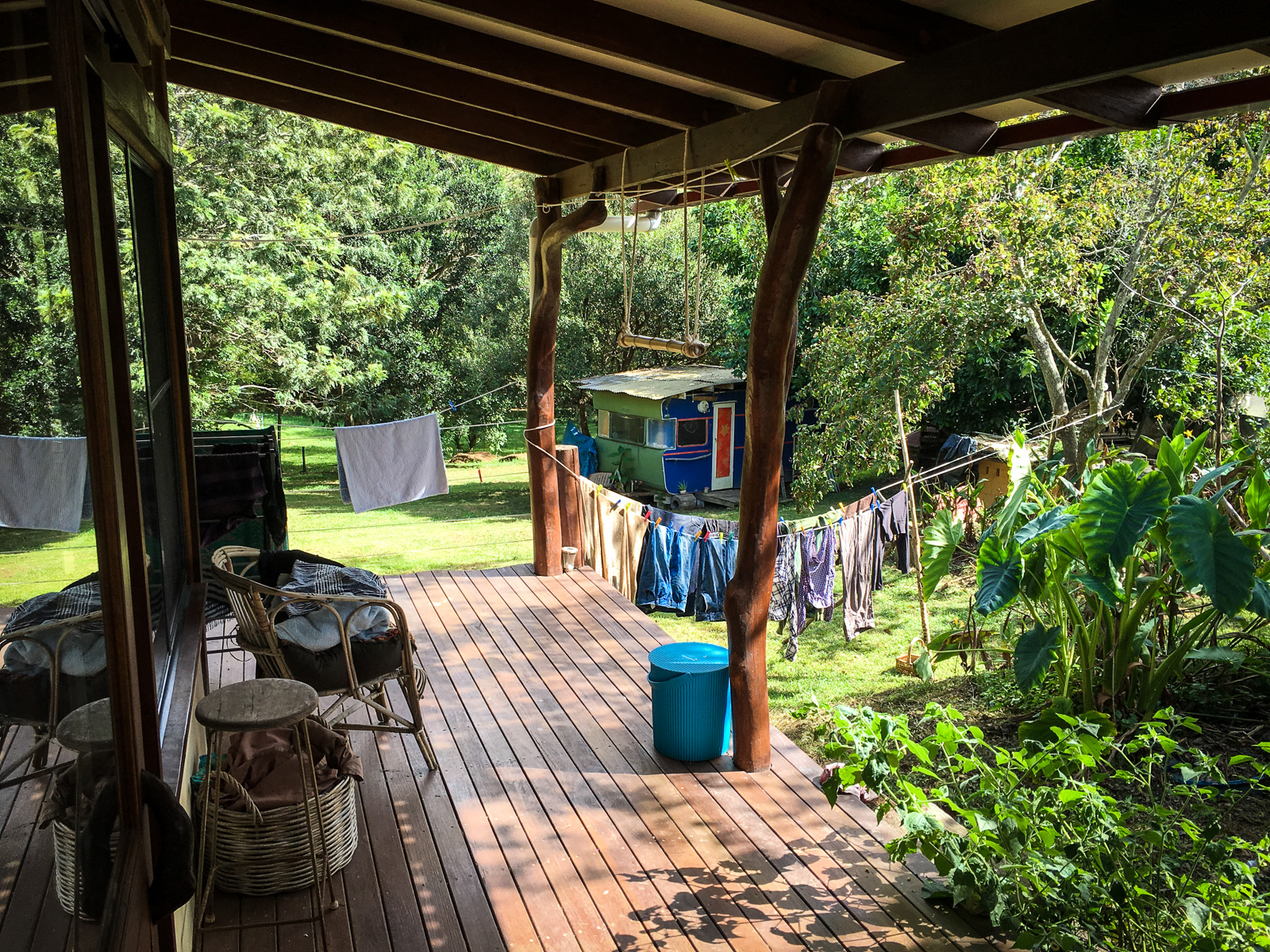
 chain-link in public areas, speed and traffic signs and so on. In my opinion, this is still and has always been one of the defining factors of living in community: you live together, trust each other and provide safe, harmonious and attractive common spaces that generally don’t require division or external policing. Going back into these conformist settings once you’ve been in a community like this immediately makes me feel uncomfortable. Mainstream society is largely not natural.
 Conflict resolution and internal politics are things that we have heard about in every community so it is clear to us that it a good system needs to be established early on. Members indicate that this didn’t really happen in Bundagen and this is their only real issue. Clearly they have made it work on some level to last this long, but the potential for fallout came into full illumination with a community member who was causing a rift between villages and individuals for many years. As good stewards of communal-living principles, the community-at-large have employed ongoing attempts at personal support over time, but sterner measures were being discussed. By all counts, this is unusual but it seems like something that has gone on far longer than is needed as the community didn’t have a comprehensive plan on to come down hard on frequent offenders. A further downside that we experienced was gossip, not just from this but from other things, which I suspect could cause other rifts if left unchecked.
 On the plus side, Bundagen is lush, natural and beautiful with countless birds, monitor lizards, possums and bush turkeys in your garden (and the occasional python living in your rafters!); easygoing smiling folks from different walks of life doing creative and inspirational things with their diverse dwellings, clothing and interests; music/sing-along nights, working bees, clothing-optional bathing at the beach (apparently in the early days, even member meetings were in the nude!), wild organic gardens behind many homes, yoga/meditation sessions run by members; and a relaxed way of organising, administering and “being”. The downside, comparatively, might be what Bruderhof excelled at: structure and order, balanced education, blended multi-generational groups onsite, community unity (with gossip largely “outlawed”) and a central drive (Jesus) that affected every person; all this the kind of stuff that won’t happen without some forethought. Now, I know Bundagen residents would probably argue that some of those things are exactly what they don’t want, and I would personally choose a more organic lifestyle over a heavily constructed one, but there are levels of structure that Bundagen might consider virtues to employ, especially in light of their self-assessment on conflict resolution. And that’s not to say that Bundagen was lacking in a spiritual core; I think most people there felt some affinity with the Spirit, the land or both, they simply didn’t all subscribe to the exact same programme.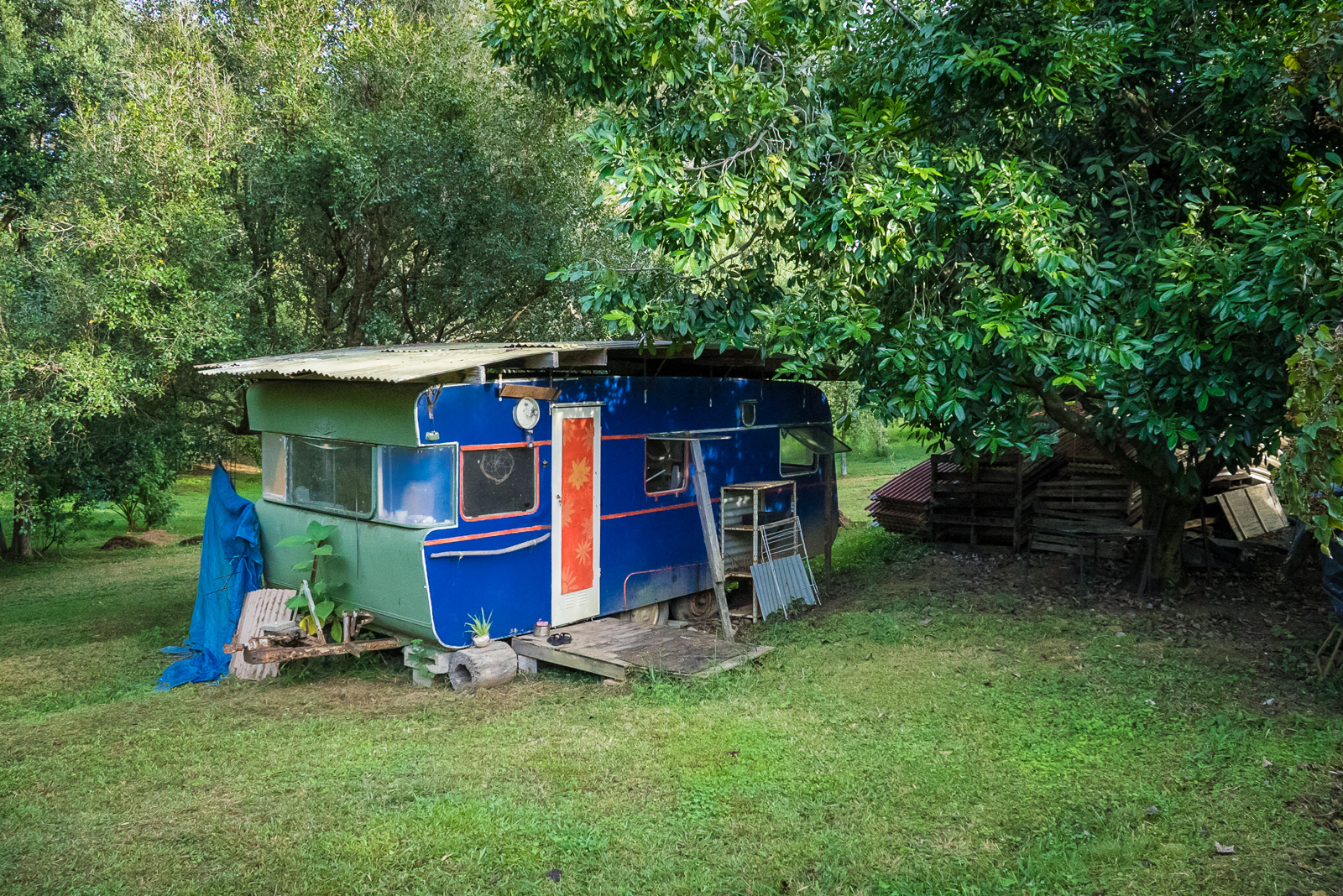

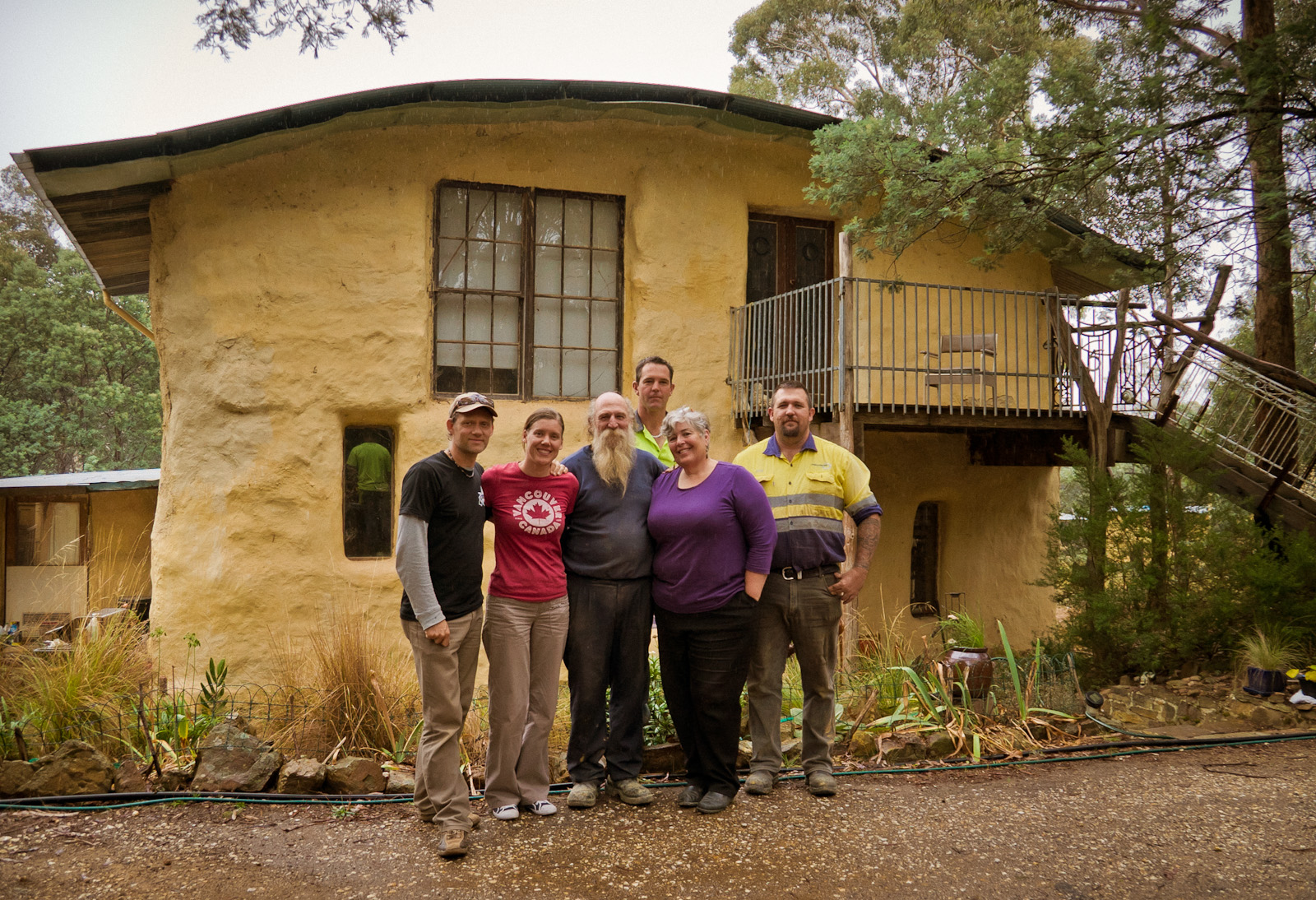
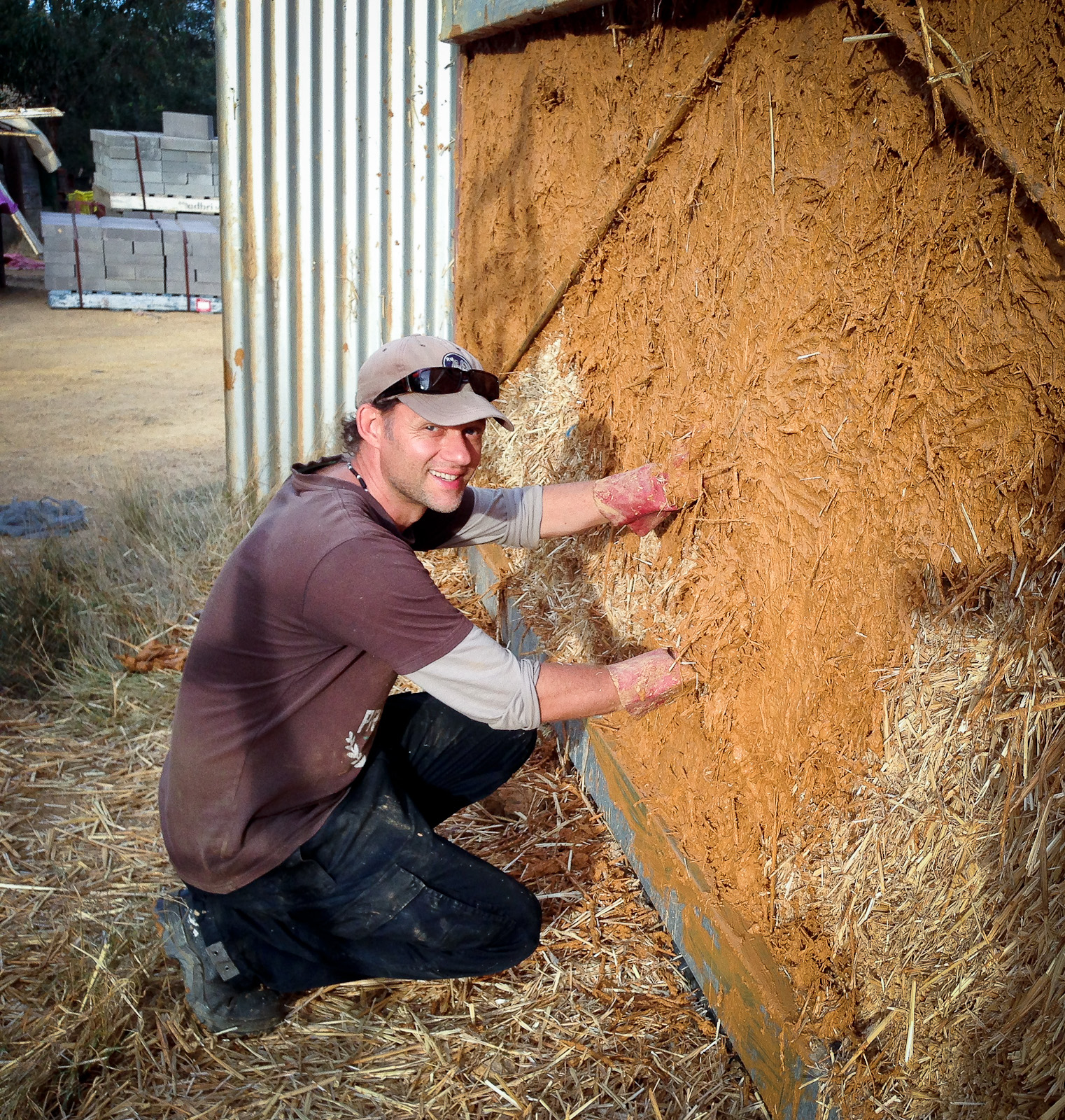
 Giri had us help with constructing an artistic stone wall and other manual labour, and Jo was interested in our skilled labour so we helped her with a logo and website for her business. We enjoyed their hand-crafted open-plan mud-brick home which really took advantage of the lush surrounds, and was only a 5 minute walk from the warm ocean where we often started or ended our day with a swim. The sense of peace and serenity that the location and lifestyle offered to the folks in Bananas village was quite memorable, and I could easily see why it would be enticing to live there for decades – despite the occasional conflict – as so many had done. Membership is closed at Bundagen as they are full, which also really says something about the place. Definitely a little slice of heaven!






 Big Tiny Adventure