
A question that is frequently asked of vegans is: if you are against the idea of consuming animal flesh and think that humans don’t need it, then why do you eat pretend meat and dairy products? While not all vegans eat faux meat depending on how long they have been vegan and why they gave up meat in the first place, there is a large market for mock-meats by vegans for good reason. For the most part, this can be boiled down to tradition, flavour, protein and social-acceptance. But let’s unpack it a bit…

Buffalo hot “wings” recipe at The Edgy Veg
If we first dial all arguments back to core rationale, vegans are either:
- fighting for animal cruelty to be vastly reduced,
- environmental chaos caused by animal agriculture to be stemmed,
- vast health improvements that can be had by reducing animal intake in humans, or
- a combination of the first three.
The main things that meat-eaters have on their agenda besides basic sustenance are: flavour and protein. And maybe “tradition”.
Looking at faux meat and dairy strictly from the omni “flavour” perspective, the past 3 or 4 years in particular have seen an immense increase in not only the volume of great-tasting vegan products, but a rise in innovative preparation of those products which is delivering vast improvements in taste and texture.
If a meat-eater hasn’t tried vegan products for over 5 or 6 years and are still claiming vegan meats are tasteless and rubbery, they are basing their assumptions on early incarnations that used more basic technology and ingredient arrays to contribute to a much less exciting flavour. To be honest, anyone would be forgiven for criticising early vegan foods, many of which are inedible by today’s high standard of gastronomic delights.
In addition to flavour, the nutritional component to many vegan products is at a very high standard. In an effort to further attract buyers that may be looking for products strictly for health rather than compassionate reasons, there are countless organic, gluten-free, preservative-free, low saturated fat and low GI foods made from whole foods which make “going vegan” an even healthier option. Given that these foods are now marrying health and full flavour to create an alternative to most meat and dairy items, there seems less and less reasons to be able to rationalise breeding, raising, feeding, torturing and slaughtering sentient beings and then storing hunks of rotting animal carcass in order to obtain something that can be done an a far more humane, efficient and nutritionally complete manner.
Speaking specifically on protein, thanks to an increasing array of comprehensive studies, we are able to confidently strike back at nay-sayers when it comes to a plant-based diet. One such large study recently compared the nutrient profiles of around 30,000 non-vegetarians to 20,000 vegetarians and around 5,000 vegans. We now know that vegans average 70% more protein than the recommendation every day (RDI). Protein is by far the most overstated nutrient. People are unnecessarily obsessed with protein – but it’s very, very difficult to actually be deficient in protein, and only people who are falling far short of their recommended daily calorie requirement (such as people with eating disorders) will be deficient in protein. It is very easy for a vegan diet to meet the recommendations for protein. Nearly all vegetables, beans, grains, nuts, and seeds contain some, and often much, protein.

@minimalistbaker on Instagram
So, back to the original question: why does faux meat and dairy even exist and why do many vegans seek these products out? The simple answer of course is that most vegans once ate meat and dairy as tradition led our parents to feed us that stuff, as well as being conditioned by the Powerful Influencers (corporate advertising). Now that we have left that cruelty mostly behind us, we are still left with familiar meals and flavours that we enjoyed. Seeing as we are unwilling to enjoy those flavours at the expense of an animal having to lose its life or be tortured, mock-meats became a suitable substitute. It’s not that we eat faux meat because we want to imagine the flesh that went along with it, its the seasoning, texture and flavour that is familiar and that we can have but without the cruelty.
The ethics and values of vegans are our strength, and we literally gave up on our so-called “favourite” foods because it wasn’t worth eating them if something had to die miserably or kill the planet in order to fulfil a selfish pleasure. I have great admiration for vegans who did this when there was no alternative (eg. 10, 20, 30 years ago) but to completely change their diets overnight and not be able to still enjoy the flavours they had become accustomed to. Of course, even worse back then was the fact that you were surrounded by meat-eaters giving you grief about your choices.
I would like to ask a few questions to meat-eaters, such as:
- Why do meat eaters make food that doesn’t look like a piece of flesh? aka. sausage, burgers, meatloaf, fish fingers, chicken nuggets, etc. If humans were “designed to eat meat” then why aren’t pieces of animal sold with fur, hooves, etc so we can dig our big carnivore incisors into it and eat if fresh off the bone? Why disguise it?
- Why do non-vegans kill animals in order to eat something that could be made with plants instead? Given that faux meats are now extremely similar in their characteristics to animal products, it literally makes no sense for people to eat something that tastes similar but where one requires a creature to die to satisfy one’s tastebuds.
- Why do non-vegans make their food with vegan ingredients? Meat-eaters that give vegans grief are generally hypocrites as they will still eat bread made from grains, fries made from potatoes, lettuce and tomato on their hamburger, baked beans, vegetable-based soups, “meat and 3 veg”, etc etc. It’s not like they are eating meat with no other elements – maybe they should if they are self-professed carnivores. As one person said on Facebook: “Why not boil your… steak with blood or something… and season them with burned ashes”
The bottom line is: we don’t need meat and dairy. If you are a vegan reading this, then you are living, breathing proof that you are not currently dead because you are missing meat and dairy from your diet. For those meat-eaters who claim that it is their choice to eat meat, then I will say that your choice is a selfish one: the accumulated death, resource depletion and money tied up in health care due to your choice affects us all. It’s OUR PLANET TOO. Best yet, there are delicious alternatives so you don’t have much to give up!
Further reading on protein sources and amounts, especially if you are an athlete wondering how much to get, try the No-Meat Athlete or this guide at Healthline which shows specific food types and how much protein and other nutrients they provide.

@consciouschris on Instagram




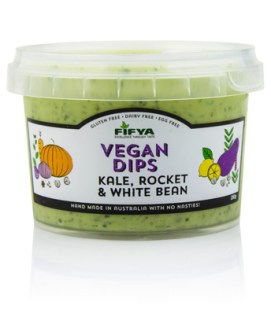


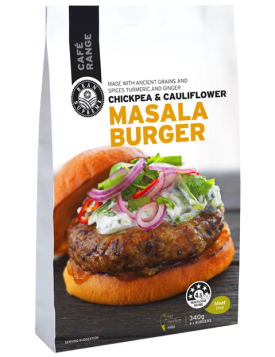

 This item has been around for awhile so it’s far from revolutionary, but it continues to be a shining example of how a vegan product can so effectively eclipse the item it is emulating.
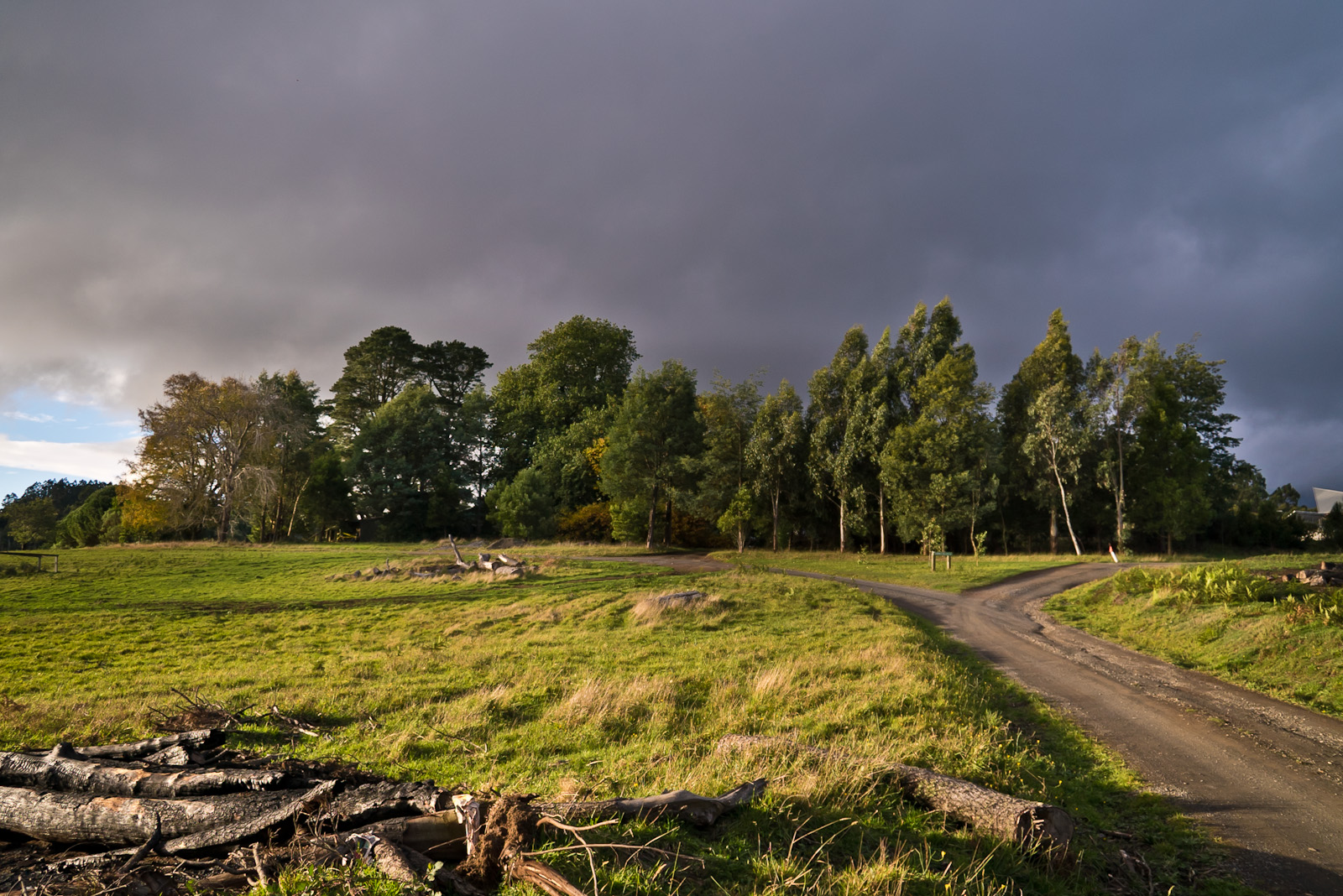
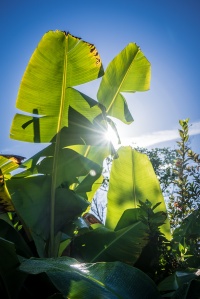 About 20 minutes drive south of Coffs Harbour and close to the eclectic town of Bellingen which is back-dropped by a stunning Dorrigo National Park, this sub-tropical zone is our first real taste of the more northerly climes of Australia – wetter, more humid, more lush. It is an excellent climate for organic farming, straddling Mediterranean and tropical, and features lush rainforest, picturesque mountains, achingly-beautiful surf beaches and small, inviting towns. Heidi and I felt a lot of external loves and soul-filling elements clicking together here right off the bat.
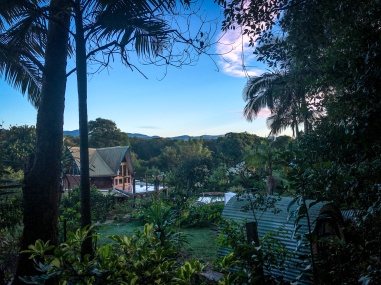 This community began in an appropriately activist manner: in the late 70’s, happy hippie folk used the farm land for environmentally joyful pursuits and were friendly with the local farmer who owned it. In 1981, the property came available for sale and Japanese interests swooped in with designs on redeveloping the land into a resort and golf course. The farmer sided with the concerned hippies and chose to sell the land to them which the group managed to do via their “alternative networks”. Hooray! This wily rogue of determined environmentalists defeated the big developers and have since cared very well for the land, even
  having part of it deemed a protected national park (Bongil Bongil).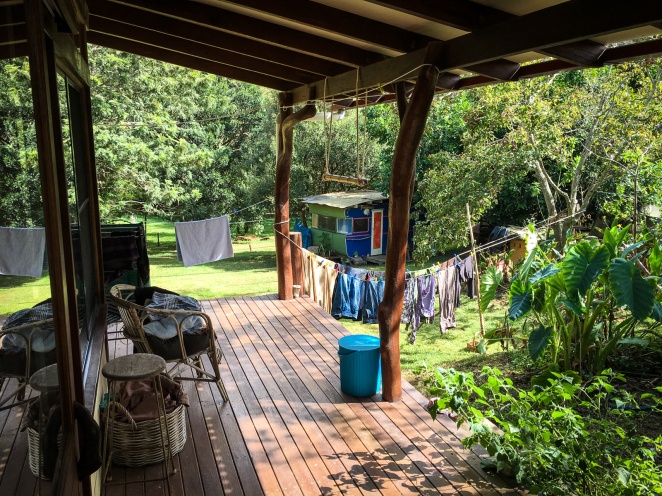
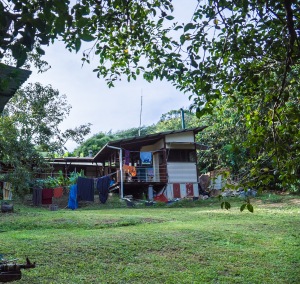 chain-link in public areas, speed and traffic signs and so on. In my opinion, this is still and has always been one of the defining factors of living in community: you live together, trust each other and provide safe, harmonious and attractive common spaces that generally don’t require division or external policing. Going back into these conformist settings once you’ve been in a community like this immediately makes me feel uncomfortable. Mainstream society is largely not natural.
 Conflict resolution and internal politics are things that we have heard about in every community so it is clear to us that it a good system needs to be established early on. Members indicate that this didn’t really happen in Bundagen and this is their only real issue. Clearly they have made it work on some level to last this long, but the potential for fallout came into full illumination with a community member who was causing a rift between villages and individuals for many years. As good stewards of communal-living principles, the community-at-large have employed ongoing attempts at personal support over time, but sterner measures were being discussed. By all counts, this is unusual but it seems like something that has gone on far longer than is needed as the community didn’t have a comprehensive plan on to come down hard on frequent offenders. A further downside that we experienced was gossip, not just from this but from other things, which I suspect could cause other rifts if left unchecked.
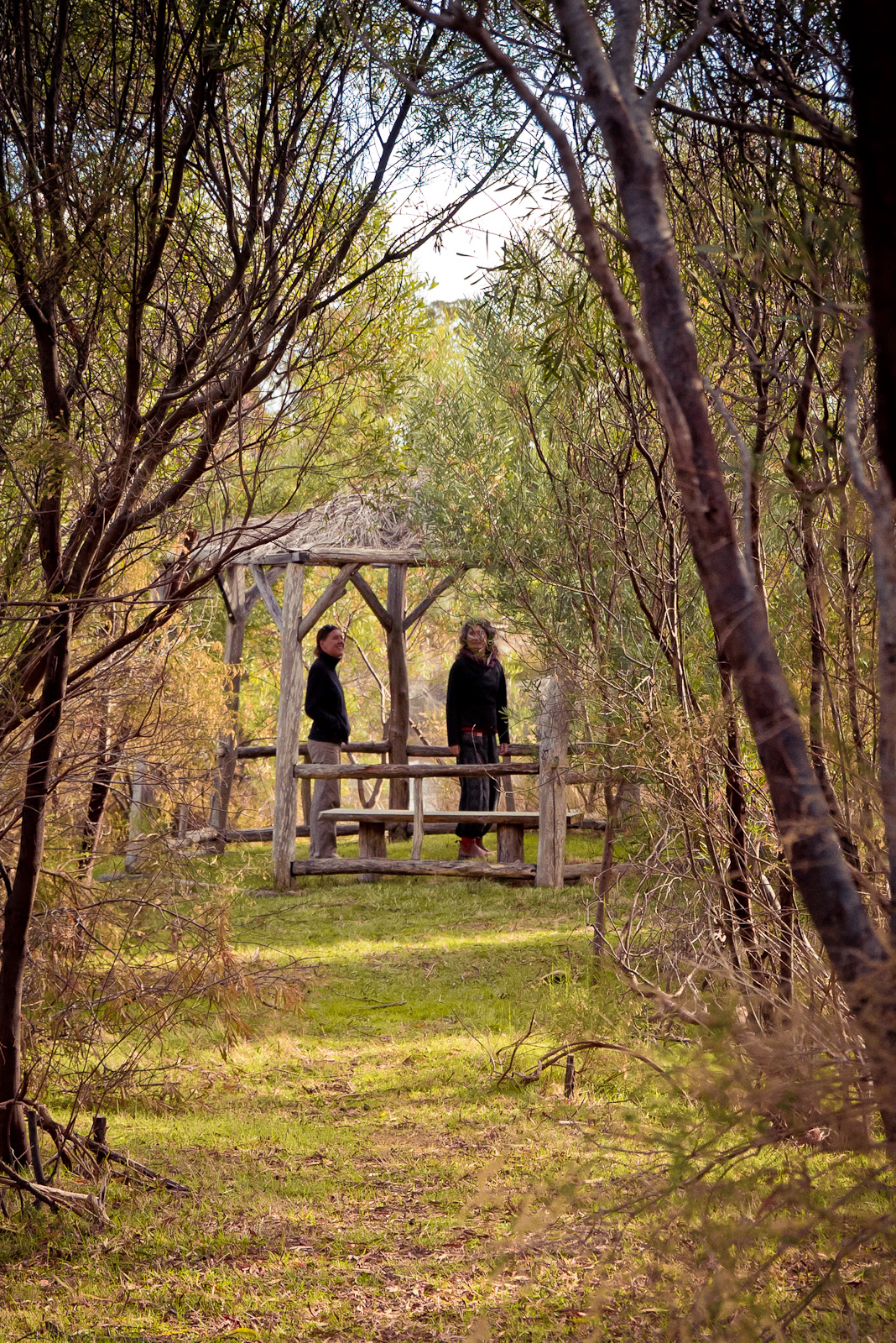
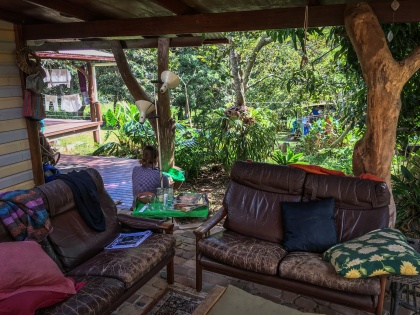 On the plus side, Bundagen is lush, natural and beautiful with countless birds, monitor lizards, possums and bush turkeys in your garden (and the occasional python living in your rafters!); easygoing smiling folks from different walks of life doing creative and inspirational things with their diverse dwellings, clothing and interests; music/sing-along nights, working bees, clothing-optional bathing at the beach (apparently in the early days, even member meetings were in the nude!), wild organic gardens behind many homes, yoga/meditation sessions run by members; and a relaxed way of organising, administering and “being”. The downside, comparatively, might be what Bruderhof excelled at: structure and order, balanced education, blended multi-generational groups onsite, community unity (with gossip largely “outlawed”) and a central drive (Jesus) that affected every person; all this the kind of stuff that won’t happen without some forethought. Now, I know Bundagen residents would probably argue that some of those things are exactly what they don’t want, and I would personally choose a more organic lifestyle over a heavily constructed one, but there are levels of structure that Bundagen might consider virtues to employ, especially in light of their self-assessment on conflict resolution. And that’s not to say that Bundagen was lacking in a spiritual core; I think most people there felt some affinity with the Spirit, the land or both, they simply didn’t all subscribe to the exact same programme.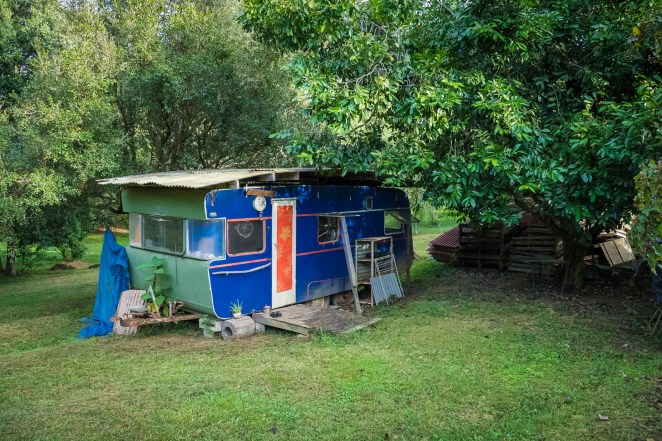
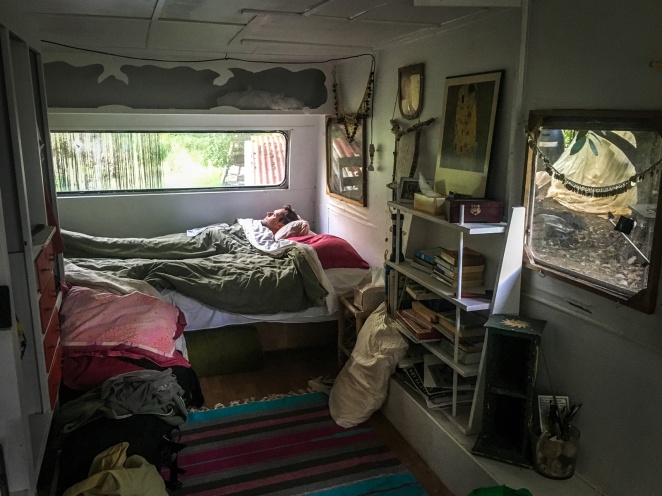
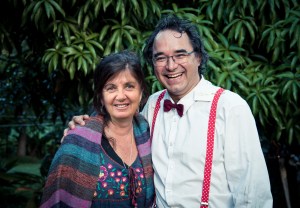
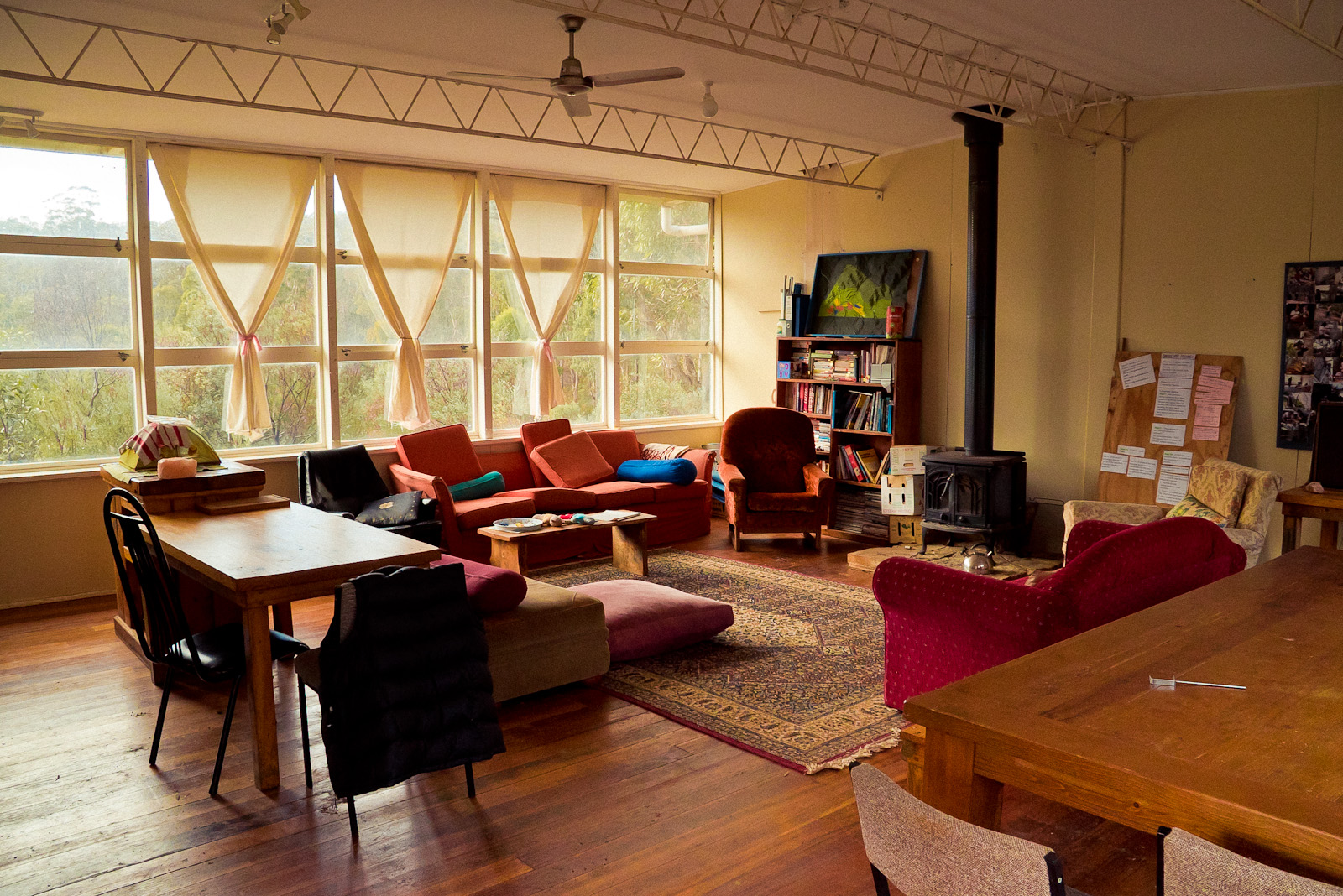
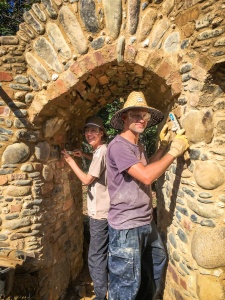 Giri had us help with constructing an artistic stone wall and other manual labour, and Jo was interested in our skilled labour so we helped her with a logo and website for her business. We enjoyed their hand-crafted open-plan mud-brick home which really took advantage of the lush surrounds, and was only a 5 minute walk from the warm ocean where we often started or ended our day with a swim. The sense of peace and serenity that the location and lifestyle offered to the folks in Bananas village was quite memorable, and I could easily see why it would be enticing to live there for decades – despite the occasional conflict – as so many had done. Membership is closed at Bundagen as they are full, which also really says something about the place. Definitely a little slice of heaven!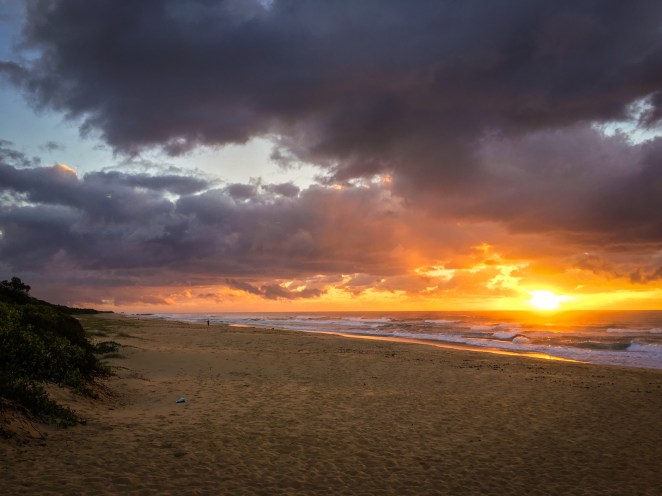
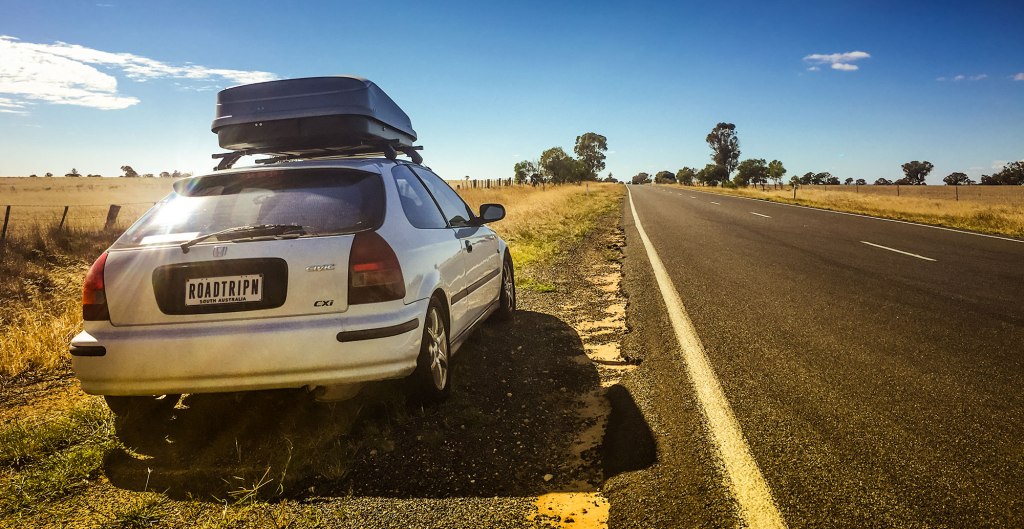
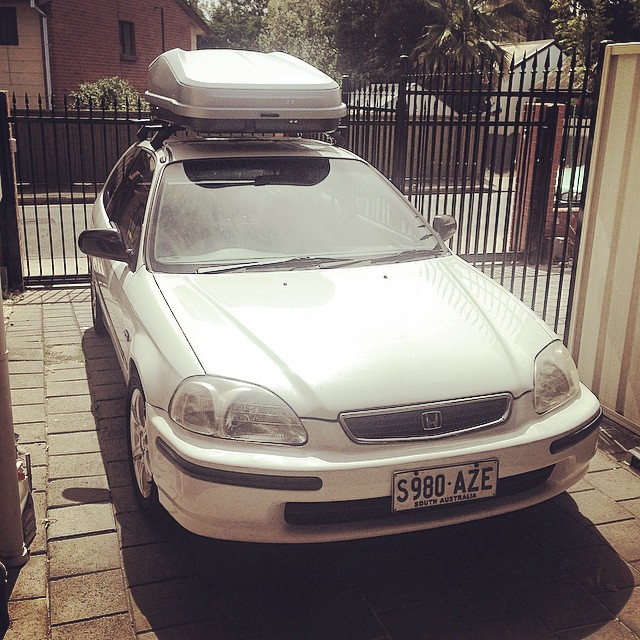
 A few days before that, I indiscriminately grabbed boxes of camping gear from our long-term storage, and packed them into our car without even looking inside them to check everything was there. Thinking of this now confirms to me the somewhat blasé nature of this current expedition we are embarking on compared to the “fanfare” of last year’s first trip. That’s not to say I am treating this trip lightly, but perhaps I am approaching it with a bit more knowledge and confidence in this life direction we’re learning about.









 Big Tiny Adventure