Cornerstone: Community 101

~ DESTINATION TWO: BENDIGO ~

How many times can I think: “wow”

So we’ve certainly started on the right foot with our community education! Cornerstone in Bendigo is pretty great and an awesome model of caring and committed intentional community. Now, you might say we lack context for comparison to other communities given that it is the first intentional community on this trip (possibly second ever next to Waiters Union in Brisbane), but I think with everything I’ve read about IC’s and our my own personal experience with community of different forms, I can honestly say that these guys are doing an amazing job on a number of levels.

One part that I can compare to is with our friends back in Adelaide. I recognise more clearly now what some of our friends are doing there to create a true atmosphere of servitude (in the “following-Jesus” sense), plus hospitality and relationships with disadvantaged and outcasts like refugees. What I have always found frustrating about doing community in Adelaide though (which has been further emphasised since visiting Cornerstone) is the direct proximity of homes to one another. In Adelaide, we just simply all live too far from each other and it makes a HUGE difference in my opinion. I can see the heart and intent in Adelaide but we need to find a way to live more in physical community as well as intent.

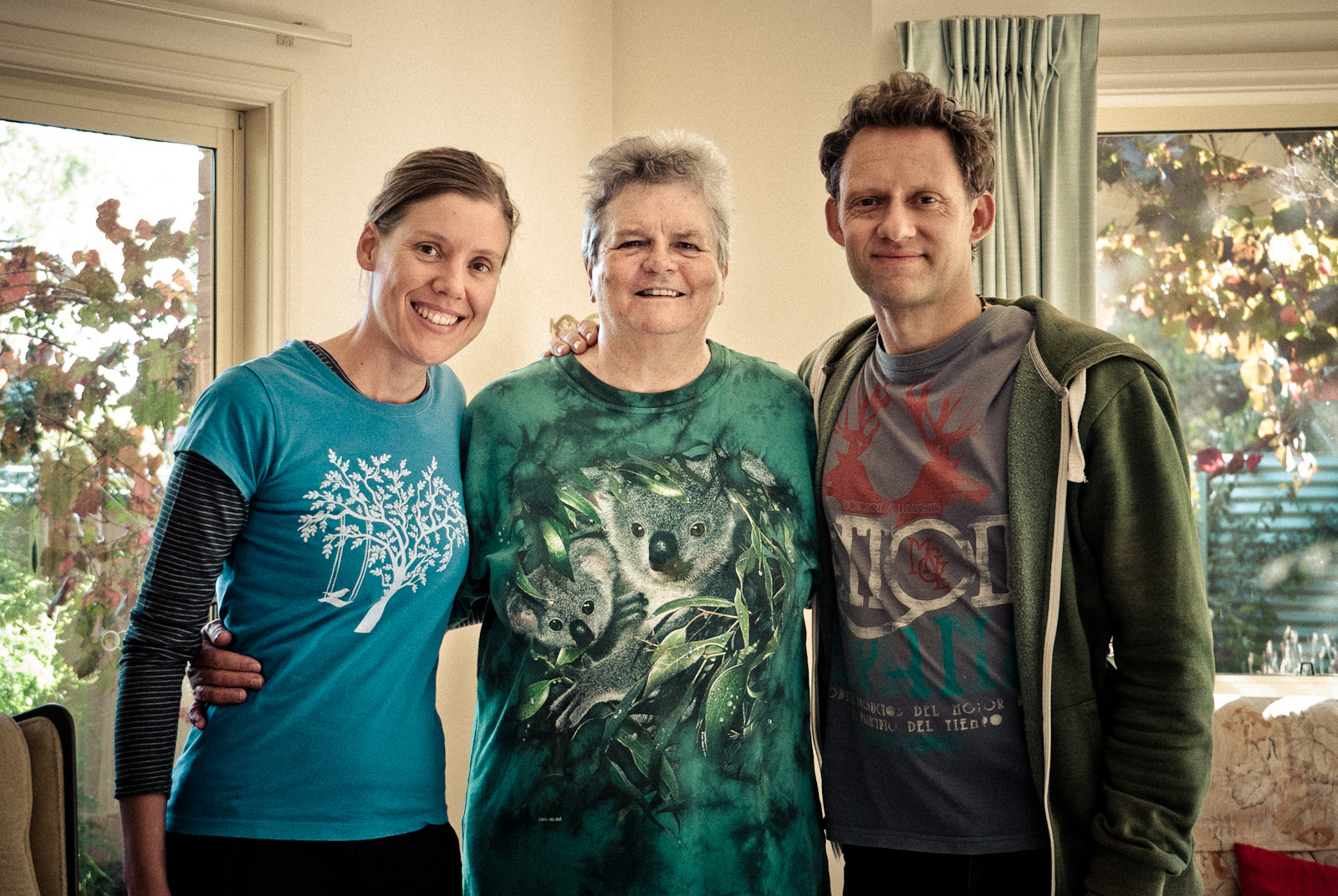
Andrew and Rose

Andrew and Rose, Cornerstone’s co-founders, and our hosts

What has been a joy in Cornerstone is that everyone lives within walking distance from one another and the local converted church-cum-community centre and shared garden is just up the street and is proving itself to be a true hub for bringing everyone together. Schools are close by; shops, cafes and town centre all close too. The idea of popping into a neighbor’s home to not only share a cuppa but discuss a community project or other communal activity is what is great and wouldn’t have the organic and dynamic effect that it does if distances were stretched.

Besides this, Cornerstone was a joy to be a part of immediately upon arrival due largely to our hosts Rose and Andrew who practice warm hospitality with ease. We felt instantly welcomed; and while they explained that their house has been constantly used as a place to stay over the years by families, uni students, refugees and travelers like us, we never felt like they were put out by us being there. Quite the opposite in fact: we were given a generous amount of their time to tell us their story, share meals together, tour the community and introduce us to other members. Being that their lives are driven largely by their faith as followers of Jesus played a part in this I suppose, but Rose often indicated that the community consisted of people from all walks of life and levels of belief (or not) so there was absolutely no bias about how they treated others despite sometimes very different perspectives on life.
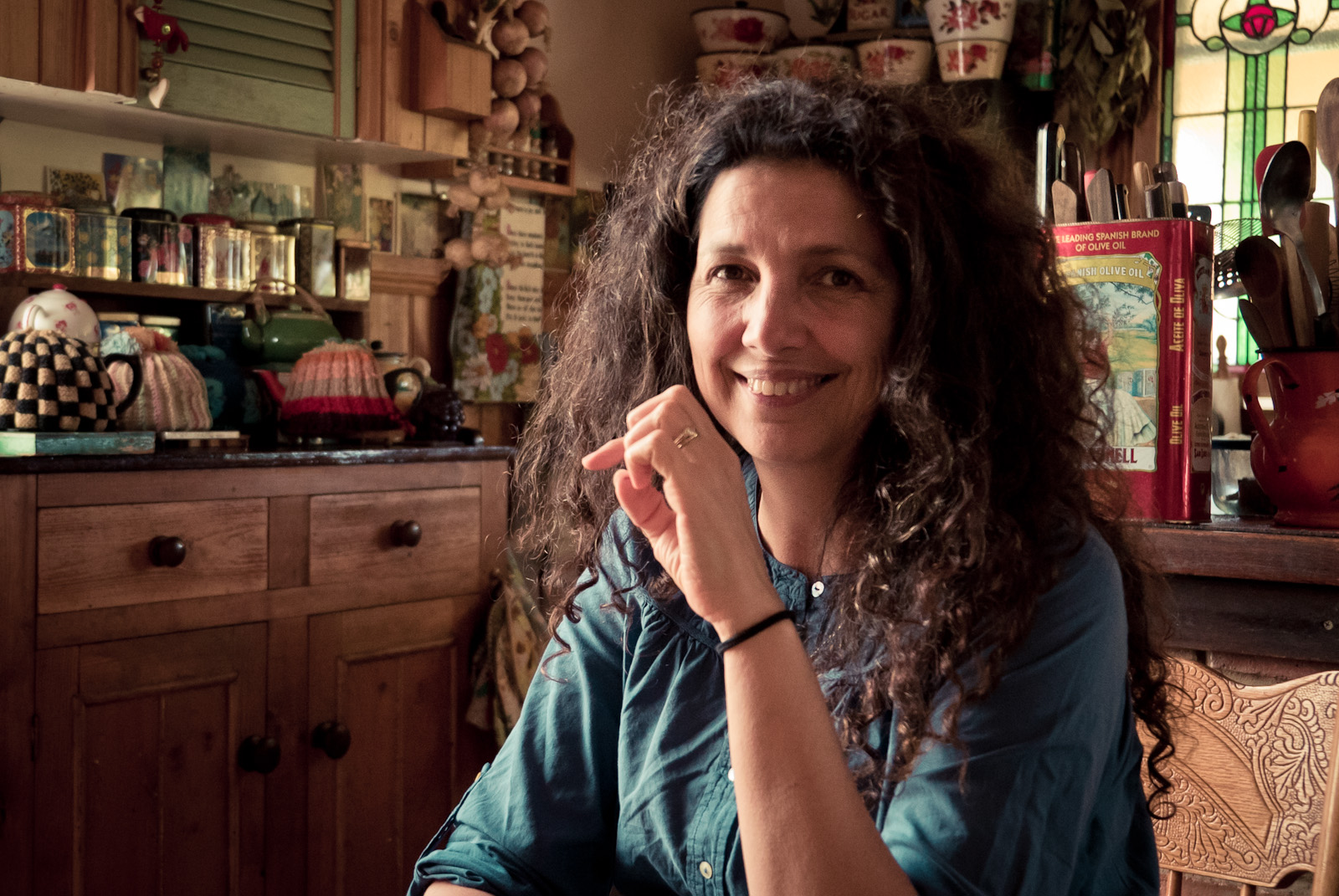
Rose, of Mexican descent, in her beautiful Mexican-inspired kitchen

Rose, of Mexican descent, in her beautiful Mexican-inspired kitchen

The way I’d describe Cornerstone is true intentional community from the heart and soul: followers of Jesus who manage to strike a balance between discipling, community living, organic development of relationships, grace, authenticity and generosity. While my spiritual beliefs and journey are sometimes in a far different place to these folks, I never felt ostracised, belittled, scorned or unwelcome to share opinions. Andrew invited me to sit with a weekly men’s group and again I was freely encouraged to contribute and didn’t feel out of place when they discussed biblical passages or other things foreign to me. To me, there’s a true generosity of spirit in play that runs deep inside this community. You feel like they have no reason to hide feelings or fake acceptance just to be polite: it comes from the heart.

Going into this experience, my pre-visit expectations were that Cornerstone would be a close-knit set of homes on a quiet street and that the main house might be a share-house feel, with lots of people coming and going. I figured that there would be a slate of programs going on it would possibly be hectic with people of different socio-economic and physically/mentally disadvantaged hanging out in a community room, sort of like we experienced in our brief visit to Servants in Vancouver. Hosts are certainly difficult to predict but my pre-disposition is to assume some level of eccentricity (although not in a bad way, just refreshingly un-mainstream 😀 ). The reality was different, but the reason is not so much the superficial stuff but the joyful, authentic and committed devotion to community that we experienced. While everyone worked hard, life didn’t revolve around careers, money and day-in-day-out drudgery but rather a variety of new and exciting challenges revolving around people and relationships. And just enjoying life! It’s amazing how much you free yourself up from self-imposed pressure in life that revolves around acquiring and just instead living simply, relying on trust, sharing and neighbors who have the same ethos that you do.

There’s so much more I could say about the nuts and bolts of their community but it would take an essay not a simple blog entry (which is already long enough!). Of course, I think Heidi and I will take comprehensive notes for future reference as – even after only 3 days there – the immediately feeling that these guys were nailing the genuine feeling of how to do community well was abundantly clear. We both agreed that they might be tough to top on this journey! We shall see as the trip unfolds but Cornerstone illustrates exactly what we were hoping to experience on this adventure of discovery! 🙂

(Have a look at Heidi’s excellent blog on her Cornerstone experience as well)

Cornerstone's community hub

Cornerstone’s community hub

Community hub - cool knitted stuff

Community hub – cool knitted stuff

Di and Ruth: compact community

~ DESTINATION ONE: STRATHALBYN ~

Community can come in small packages.

In our planning leading up to this little adventure of ours we’ve gone and chosen some communities to visit solely based on a paragraph or two of information via the ic.org website, our WWOOFing book or a brief phone call. Reducing the decision to a small set of “highlights” based on some preconceived ideas of what community is all about will undoubtedly reveal some surprising realities once we arrive, but I’m beginning to believe that this will be the joy of the experience – if we allow it to be that way. Our first community experience has already been that way: before arriving, I had conjured an image of what sort of “true” community could possibly exist between two people, but it has already proven to be an unexpected learning experience.

Heidi, Di and Mike

Heidi, Di and Mike

The baby steps of our 2-month trip took us to the homes of Heidi’s spiritual director Di and her friend Ruth. From the start, Di was comfortable using the term community to describe her and Ruth’s setup: conjoined properties consisting of two houses with no dividing fence and a shared backyard. Ruth and Di, who have been friends for 40 years, move between the two buildings freely but that divide is enough to provide some individual expression and some personal space to be able to retire to whenever they each want it.

So, looking at the way I perceive “community” to mean, I see it as:

  • a group of people sharing resources to reduce their collective environmental impact and save some redundant expenses;
  • living in close proximity with one another so that regular interactions are encouraged;
  • some common interests that connect everyone;
  • an overall care for one another’s well-being;
  • having shared experiences with like-minded people that enhance life’s journey

In this context, Di and Ruth are easily covering many of these points, but are simply doing it (at the moment) between the two of them. Their focus might not be so much on environmental concerns, plus having only two people to do everything can have its downsides, but their positive outlook, ease of lifestyle and welcoming hospitality definitely made it feel like they were creating a larger community than just the two of them. I definitely felt like a big warm hug was embracing us while we were there 😀

In planning this trip, we had broken it into roughly two parts: intentional communities and WWOOFing stops. However, I’m now beginning to think that the line is blurred with solid community likely existing in the WWOOFing stops as well. If Di and Ruth are an example of how it can be with just a small community then the places we are looking at who are often connecting with families, other like-minded individuals or the wider community will possibly have a similar feel. In other words, I will try to not place everyone in a tidy box before I experience what their version of community has to offer!

Go forth with an open mind.

Our preconceptions of what we expect to encounter on this trip will certainly colour how we actually experience it, as it was pointed out to us by Michael, a guest at dinner the other night at Di’s home. Michael had traveled extensively through Australia and abroad living communally and was a valuable addition to the conversation. His arrival at this meal was particularly fortuitous as our host Di had happened to bump into him the day that we were visiting and so we could pick his brain a bit regarding our own travels.

The advice Michael provided was useful but was one of the few things he actually told us (as not to contradict his own advice) was: the less we impose our own biases onto an upcoming visit to a community, the more we’ll get out of it. Upon arrival, it’s too easy to initially judge the way things are done by others if they don’t sync with our own methods, but if we wait, listen, learn and absorb, in due time we’ll get a more authentic view of how the community ticks. That’s not to say that our own perspective isn’t valid but it’s easy to arrive somewhere and think “why would they do that like this?” or “this community is broken here and here and I could do it better”.

Saying this, I think I’d like to experiment with my own bias and I plan to write a short paragraph before my forthcoming community visits in which I explain my own expectations and predictions of what the place will be like. I will be basing it solely on what I have read about the place, the vibe I get from any contact I’ve had with them, and my own biases like judgments about animal rearing/eating or lifestyle decisions. Hopefully this will help me examine my own reasons for thinking the way I do and see if I am putting too much emphasis on what’s in my head rather than what I am experiencing with an open mind! More to come…! 🙂

PS. Sorry for the analytical ramble: at this stage things are less about experiences and more about theory!

You can also view Heidi’s take on this visit to Di and Ruth in her blog at Miss Roo’s Adventures


Strathalbyn

The beautiful town centre of Strathalbyn


On the cusp of departure…and adventure!

“Go confidently in the direction of your dreams. Live the life you’ve imagined.”
Henry David Thoreau

Maybe slightly less confidently than Thoreau is coaching us to believe, we’re on the cusp of leaving on our (cue mystic yogi guru voice) journey of discovery in two days’ time. Having spent the past 5 weeks in a well-appointed house in a good part of Adelaide during a festive time with good weather has meant that we have actually positioned ourselves into an easier form of living than we had even before we started house-sitting. We perhaps aren’t “living our dream” of community just yet, with the relatively cushy nature of our situation until now making us a bit lazy and reticent about our forthcoming travels.

That’s not to say we aren’t excited. We’ve worked out most of our trip plans which will include as many different types of education and adventure as we could muster: some straw bale building workshops here, a bit of permaculture appreciation there; intentional community living, big and small; urban development and 91-year old Scottish poets; off-grid, aquaponics, organic farming and yoga; social activists, tipi builders, vegans and non-violent communicators. When we start looking at the variables, it’s an intriguing mix of choices!

(Writing is a bit cathartic, as my earlier lazy apprehension is turning to adventurous hopefulness the further I get into this blog entry.)  ☺️

So we embark on the first stage of our trip on Tuesday morning, invited by our friend Di (she was one of the tandem that married Heidi and I) to experience a version of community with her and her neighbor. From there, we spend Easter with Heidi’s family before heading to Daylesford, Victoria on our first “official” stop on the adventure: a lovely-sounding dog-friendly sustainable property featuring old trees, lots of birds, tipi camping, straw bale building and a couple of friendly folk named Sue and Don.

Mr. Thoreau will then be pleased to hear that by the time we do find our way to Daylesford, I have a feeling that we will be going confidently in the direction of our dream. ☺️

Lifestyle Report – as of Mar 2013

This is my third Report (since 2011…oops! I’ve been busy) as a way of assessing my successes, targets, improvements and areas I need to be more vigilant with when it comes to simple, ethical, environmentally sustainable and community living.

It might not be an interesting entry to read but it’s a way to keep myself accountable and constantly improving my lifestyle. NEW to this installment is the addition of my recent vegan ways.

I’ve highlighted positive changes in green and backwards steps red. So, as of today:

ETHICAL/SUSTAINABLE LIVING

• grocery shopping (with % of how often I do it)
became a vegan (Feb 2013)
— local green grocer for veg (75%)
— leftover bread free at end of baker business day (10% – eating less bread but not near bakery anymore);
— skip-dipping/dumpster diving (0% – slack but they are hard to find and I’m not really looking)
— major supermarket for all else (80%);
— Fair Trade where possible (tea, chocolate, recent clothing)
— organic where possible/affordable (25% – food, soap & shampoo)
— use Ethical Guide to boycott bad companies, GM food (50% – need more vigilance here);
— boycott food with known cruel processes (100% where known)
— food miles, locally produced (50%)
— meat consumption (0% of meals)
— dairy consumption (5% – just a couple of slips)

• grow own food (5-10% – tomatoes, eggplant, herbs)

• household shopping: I only buy new from store if I can’t get from op shop or build myself;
— purchased new in past year:
—– furniture (0%)
—– clothes (10%)
—–accessories (15%)
—– car (0%)

• home energy:
— electricity:
—– solar/renewable = no
—– aircon/heating (15%)
—– computer (off at night)
—– fridge (2/5 star rating)
—– dryer (0%);
— water:
—– rainwater tank (0% – no longer have one)
—– grey water for garden (15% – washing machine only)
—– shower avg. duration (5 mins)
—– garden (10%)
—– dishwasher (0%)
—– washing machine (top loader 2/5 star rating)

• waste:
— food scraps (100% goes to compost);
— wasted food (5%);
— recyclables like glass, paper, aluminium cans (95% to recycle bin, 5% kept for food/household storage);
— wasted paper (minimal use of printer, kitchen & recycled toilet paper)
— wood (90% saved for building material); haven’t built much now that I have what I need!
— white goods, electronics, equipment (10% – new stereo receiver);

Areas to Improve: fewer food miles; support local; buy organic if it makes sense & affordable; grow more of our own food; continue to consume less energy & town water. As it gets colder, it is tempting to use more heating but I’ll just have to be as resolute as possible and put on more clothes! Press onwards with vegan lifestyle.

.

– – – – – – – – – – – – – – – – – – – – – – – – –

.

SIMPLE LIVING
• build most of my own furniture (lounge daybeds, coffee table, office desk, outdoor tables & seats)
• other furnishings have been donated (bed, futon, tv & DVD) or secondhand (kitchen table & chairs, office chair, rug);
• buy nothing that isn’t essential to the household or work
had to move stored furniture from Queensland to South Australia
• work less, spend more time connecting with friends & family; (has been a very busy past 3 years. Trying to find that work-life balance again)
• spend money on essentials, friends, charities;

Areas to Improve: connect more with real (not virtual) people

.

– – – – – – – – – – – – – – – – – – – – – – – – –

.

ENVIRONMENTAL
• approx. annual carbon footprint (avg. based on lifestyle as of today): 7 tonnes of CO2 (Aus avg. 16 tonnes; world avg. 4 tonnes). This is not including my poor flight behavior below 😦
• car usage per month – approx 400kms ; mileage (approx 10kms/L)
• bus instead of drive (15%)
• ride/walk/skate instead of motor transport (10% – 15min walk to shops)
• return flights in past year – domestic (6), international (1); Unfortunately, the past couple of years have been baaad. Last year was mostly the flights during our tour around the country for our documentary film.

Areas to Improve: take fewer flights; walk/skate/bus more rather than car; use less electricity; aim for 7-8 tonnes/yr CO2

.

– – – – – – – – – – – – – – – – – – – – – – – – –

.

COMMUNITY
• I now live with my wife so no more commuting to see one another; most friends are the same distance or closer now though
• intentional community living (share house or close living) = no
• share property or resources with community (some household items, driving, food with my wife’s best friend; borrow from other friends occasionally)
• collect hard rubbish from neighbourhood
• engage in conversation or help with mentally/physically challenged people in neighbourhood (0%)
• give to charities (monthly to: 1 x global aid, 1 x animal, 1 x activism organisation, 1 x community fund )
• volunteer with some friends’ and charitable projects
community gatherings for shared weekly meals and social activities

Areas to Improve: aim to achieve closer and more intentional community; share more resources; be more accepting of minority/disadvantaged; give more to charities; get more involved with meaningful & helpful projects

MARCH 2013 SUMMARY: overall, doing the right things still but still not socialising much due to workload. Some areas I can still be a bit more green. Would love to get more friends to jump onboard different aspects of sustainable, ethical or green living but am still trying to take the approach of “be the change you want to see in the world” however it is not always easy not to promote/preach, be judgmental or not be hypocritical…

Swirly lifey stuff

I’m on the eve of my tenth move in 2 years, weary at the thought in principle but on further reflection, relishing the idea that I have very little “stuff” to actually move. What a change!

As recent as 2 months ago, I had to haul things I had in storage at a friend’s place in Brisbane over to another friend’s place (bless their hearts for being so kind to make room for my crap) which took a 1 1/2 ton truck and about 10 hours of my time to load and unload. This is of course stuff that I am not using, just towing about from one location to the next with consideration of using it at some point. Meanwhile, I have been successfully living my life for the past year and a half with none of it. Sure, I miss the odd thing like when I say “oh, I have a Breville in storage; would be good to have a toastie right now” or “my golf clubs are in storage,” but these things happen so infrequently as to not recall thinking of them moments later. So when I thought “oh here we go again, another bloomin’ move (substitute “bloomin” with a more colourful term), I was pleasantly surprised to find when I really thought about it, I have about 4 or 5 boxes of stuff, clothes and 4 or 5 items of furniture and that’s it. Easy. Yay!

Interestingly, I’m possibly moving out with my girlfriend’s friend (my beautiful Heidi is old-fashioned so we cannot live together yet and thus the living with her friend 🙂 ) who is very much a simple-living-eco-friendly-sustainability-loving-community-oriented person like I have become, which is a new experience for me. Perusing potential dwellings with someone who heads out to the backyard first to see where the veggie patch might go before looking at the house itself is different but refreshing; I like her priorities! After many years of looking at things through the standard lazy commercialised-living lens as many other people do, I’m truly starting to consider things like: hoping for rainwater tanks and solar panels on the property; how passive heating/cooling will work effectively in the house; what fruit trees exist on the land and how much space is there for growing veggies; ensuring there is opportunity for community gatherings and sharing meals with people; and making sure that shops are walkable/rideable to conserve fuel. Whereby I was quite happy to live alone until recently, I’m now reveling in the opportunity to live with someone else and develop a greater sense of community; something I’ve spoken about but not really put into practice yet. It’s quite exciting!

I’ll update when I find a new place and we’ll see how many of these new thoughts have been put into practice.

All of this moving comes amidst a push for funding on my human trafficking film which we’re starting to work on. My feelings about the environment and climate change became blurred when I was away looking at people dying or screwing up their lives from poverty, but I’ll save that for my next blog entry. G’night! 🙂

Lifestyle Report – as of May 2011

This is my second Report (since January’s) as a way of assessing my successes, targets, improvements and areas I need to be more vigilant with when it comes to simple, ethical, environmentally sustainable and community living.

It might not be an interesting entry to read but it’s a way to keep myself accountable and constantly improving my lifestyle.

I’ve highlighted positive changes in green and backwards steps red. So, as of today:

ETHICAL/SUSTAINABLE LIVING

• grocery shopping (with % of how often I do it)
— local green grocer for veg (60%)
— leftover bread free at end of baker business day (100%);
— skip-dipping/dumpster diving (0% but aiming to re-introduce it;
May: have been looking , but it’s hard to find anything in Adelaide)
— major supermarket for all else (100%);
— Fair Trade where possible (tea, chocolate, recent clothing)
— some organic (10% – food, soap & shampoo)
— use Ethical Guide to boycott bad companies, GM food (95%);
— boycott food with known cruel processes eg. veal (100% where known)
— food miles, locally produced (25%)
— meat consumption (15% of meals; May: this is mostly due to being poor)

• grow own food (not yet 0% but get some from friend 3%)

• household shopping: I only buy new from store if I can’t get from op shop or build myself;
— purchased new in past year:
—– furniture (0%)
—– clothes (10%)
—–accessories (15%)
—– car ( 0%)

• home energy:
— electricity:
—– solar/renewable = no
—– aircon/heating (10%)
—– computer (on 24/7, asleep when away & at night)
—– fridge (2/5 star rating)
—– dryer (0%)
—– water pump (everytime the tap is turned on);
— water:
—– rainwater tank (90%)
—– shower grey water for garden (0% May: stopped when I realised I didn’t have time to deal
with the garden and water is from tank anyway)
—– shower avg. duration (5 mins)
—– garden (0%)
—– dishwasher (0%)
—– washing machine (top loader 2/5 star rating)

• waste:
— food scraps (90%; goes to compost);
— wasted food (5%);
— recyclables like glass, paper, aluminium cans (95% to recycle bin, 5% kept for food/household storage);
— wasted paper (minimal use of printer, kitchen & recycled toilet paper)
— wood (90% saved for building material); May: haven’t built much now that I have what I need!
— white goods, electronics, equipment (0%);

Areas to Improve: fewer food miles; support local; buy organic if it makes sense & affordable (May: been very tight on cash the past few months so it’s hard to justify extra costs for organic sometimes); grow some own food; continue to consume less energy & town water. As it gets colder, it is tempting to use more heating but I’ll just have to be as resolute as possible and put on more clothes!

.

– – – – – – – – – – – – – – – – – – – – – – – – –

.

SIMPLE LIVING
• build most of my own furniture (lounge daybeds, coffee table, office desk, outdoor tables & seats)
• other furnishings have been donated (bed, futon, tv & DVD) or secondhand (kitchen table & chairs, office chair, rug); May: acquired two wooden trestle tables and some deck chairs i hard rubbish
• buy nothing that isn’t essential to the household or work
• work less, spend more time connecting with friends & family; May: disappointed as work has been all-consuming for the last 3 months; on the positive side, a chunk of that is due to a doco I’ll be shooting soon which is about helping people in need, so I think that’s good.
• spend money on essentials, friends, charities; May: out of necessity, been spending very little on me

Areas to Improve: connect more with real (not virtual) people

.

– – – – – – – – – – – – – – – – – – – – – – – – –

.

ENVIRONMENTAL
• approx. annual carbon footprint (avg. based on lifestyle as of today): 9.1 tonnes of CO2 (Aus avg. 16 tonnes; world avg. 4 tonnes)
• car usage per month – approx 300kms ; mileage (approx 10kms/L)
• bus instead of drive (15%)
• ride/walk/skate instead of motor transport (15% – 20min walk to shops)
• return flights in past year – domestic (3), international (0); May: about to embark on massive trip for doco for which I will be shedding environmental tears…26,000kms planned. This will blow my current Carbon Footprint figure out of the water 😦

Areas to Improve: take fewer flights; walk/skate/bus more rather than car; use less electricity; aim for 7-8 tonnes/yr CO2

.

– – – – – – – – – – – – – – – – – – – – – – – – –

.

COMMUNITY
• I live walking distance to my girlfriend and a couple of other friends; 5 minute drive to a couple more
• intentional community living (share house or close living) = no
• share property or resources with community (some household items, driving, food with girlfriend & her housemate; borrow from other friends occasionally)
• collect hard rubbish from neighbourhood
• engage in conversation or help with mentally/physically challenged people in neighbourhood (30%)
• give to charities (monthly to: 1 x global aid, 1 x animal, 1 x heart foundation, 1 x activism organisation )
• volunteer with some friends’ and charitable projects

Areas to Improve: aim to achieve closer and more intentional community; share more resources; be more accepting of minority/disadvantaged; give more to charities; get more involved with meaningful & helpful projects

MAY SUMMARY: overall, doing the right things still but not socialising much due to workload which is not a routine I want to get stuck in. That said, I still work from home and can shuffle my schedule around. In addition, I don’t commute which saves on time, carbon pollution and gives me more opportunity to be social. Some areas I can still be a bit more green.

Intentional Community living

“Intentional” and “authentic” community living are a couple of words/phrases I had never heard before about a year or so ago. When you live in a city in our society and follow the rest of the pack, like I did (and still do, to some degree), you are led to believe that we should spread ourselves out – wayyyy out – sprawling our cities to the max, stake out our 400-600 sq metres+ of land, and live at arm’s length from our neighbours and also, effectively, from the problems of the city/world. This “buffer” gives us our private space to stretch our legs, let the kids safely run amok, put in a swimming pool and successfully segregate ourselves from everything that might impinge on our peace and quiet and security. What it is also successfully doing, however, is isolating ourselves increasingly more from other people and their needs, struggles, support, and face-to-face interaction.

I personally tend to batch together the ideas of intentional & authentic community living as I think there are elements that overlap: intentional communities can be defined as a planned residential collective of homes and people who work as a team to see through their common visions and goals together, sharing responsibilities and resources including traditions, beliefs or spirituality. A brilliant article on this idea is at the Intentional Communities website (IC.org). In her book Designing Social Systems in a Changing World, Bela Banathy describes authentic community as “a group of individuals who have developed a deep and meaningful commitment to each other and to a shared meaning or purpose.” These members of the community “feel that they belong together believe that they can make a difference in the world by pursuing their shared vision and purpose, communicate with each other openly, honestly, and creatively”, deliberately avoid a hierarchical or bureaucratic system of organisation, instead “govern[ing] themselves by shared stewardship,” and nurture and practice genuine development of the members of the community, “taking full advantage of their unique and collective potential, knowledge, skills, creativity, and intuition.” There is a tendency for spiritual groups to use authentic community often to describe this coming together, but I think it has many other exciting applications as well.

[ check out our intentional community trip in 2015 ]

What I like about this whole concept is that it starts to knit back together our social networks that have becoming pulled apart and frayed by this suburban sprawl and our thinking that we are better off barricading ourselves from the people around us in the name of security and privacy. The thing is, I reckon the world was a much safer place in general when people lived more communally, with generations of families under the same roof, with “tribes” or communities integrated together with their kids playing safely with each other and people generally having much greater support systems all around them. The only reason we build the walls is because we don’t know our neighbours so we don’t trust them; we don’t let our kids just run off and play down the street unsupervised because we don’t trust anyone; parents take their kids to daycare because they have to pay for the expense of having so much unshared space in their protected private property which they’ve walled off from the neighbours who, had they got to know them better, would be able to communally take care of the kids. And so on. That of course is a minute tip-of-the-iceberg of the snowballing problems of how far our society has strayed from a true sense of community, but you get the idea…

OK, this wasn’t supposed to be a rant! I get that way a bit, don’t I?? 🙂

Getting back to why I like this concept, I think there are so many benefits that would make my life better, not only because of the type of person I am (keep to myself and lazy at making friends but enjoy and need those closer, personal relationships; increasingly environmentally and ethically-oriented lifestyle; need a better support base for struggles and personal growth and understanding), but because there are so many interesting dynamics that come into play when you get similarly-minded people coming together to invigorate and enhance their own lives and those around them. Or as Geoph Kozeny puts it: “a feeling of belonging and mutual support that is increasingly hard to find in mainstream Western society”. A lot of people have some of these networks in place and still live in the segregated lifestyle that I mention above, but they live a distance away from friends and groups that meet occasionally and require a lot of wasteful driving time and energy, and leave big gaps in between. I am increasingly craving the ability to have all those benefits available on tap.

I will outline my “idealistic” (and hopefully not unattainable) vision of intentional/authentic living in a new blog entry which I make as my master wish list, expanding on it as time goes on. Over time, it’ll be interesting to see if this type of community living can be achieved, and if so, if it lives up to the billing that I am giving it! It would be exciting to chronicle the process and see what unexpected challenges and achievements would come of it. I’d still love to hear from anyone living this way!

Quick links:
Bindarri Cohousing and intentional living Australia
Amazing list of all the worldwide IC’s (intentional communities)
Excellent article on what IC’s are

Lifestyle Report – as of Jan 2011

As a way of assessing my successes, targets, improvements and areas I need to be more vigilant with when it comes to simple, ethical, environmentally sustainable and community living, I’m going to blog here in this format regularly.

It might not be an interesting entry to read but it’s a way to keep myself accountable and constantly improving my lifestyle.

So, as of today:

ETHICAL/SUSTAINABLE LIVING

• grocery shopping (with % of how often I do it)
— local green grocer for veg (25%);
— leftover bread free at end of baker business day (100%);
— skip-dipping/dumpster diving (0% but aiming to re-introduce it)
— major supermarket for all else (100%);
— Fair Trade where possible (tea, chocolate, recent clothing)
— some organic (10% – food, soap & shampoo)
— use Ethical Guide to boycott bad companies, GM food (95%);
— boycott food with known cruel processes eg. veal (100% where known)
— food miles, locally produced (25%)
— meat consumption (25% of meals)

• grow own food (not yet 0% but get some from friend 3%)

• household shopping: I only buy new from store if I can’t get from op shop or build myself;
— purchased new in past year:
—– furniture (0%)
—– clothes (10%)
—–accessories (15%)
—– car (40%)

• home energy:
— electricity:
—– solar/renewable = no
—– aircon/heating (10%)
—– computer (on 24/7, asleep when away & at night)
—– fridge (2/5 star rating)
—– dryer (0%)
—– water pump (everytime the tap is turned on);
— water:
—– rainwater tank (75%)
—– shower grey water for garden (10%)
—– shower avg. duration (5 mins)
—– garden (0%)
—– dishwasher (0%)
—– washing machine (top loader 2/5 star rating)

• waste:
— food scraps (75% to compost);
— wasted food (10%);
— recyclables like glass, paper, aluminium cans (90% to recycle bin, 10% kept for food/household storage);
— wasted paper (minimal use of printer, kitchen & recycled toilet paper)
— wood (90% saved for building material);
— white goods, electronics, equipment (0%);

Areas to Improve: fewer food miles; support local; buy organic if it makes sense & affordable; grow some own food; consume less energy & town water.

.

– – – – – – – – – – – – – – – – – – – – – – – – –

.

SIMPLE LIVING
• build most of my own furniture (lounge daybeds, coffee table, office desk, outdoor tables & seats)
• other furnishings have been donated (bed, futon, tv & DVD) or secondhand (kitchen table & chairs, office chair, rug)
• buy nothing that isn’t essential to the household or work
• work less, spend more time connecting with friends & family
• spend money on essentials, friends, charities

Areas to Improve: connect more with real (not virtual) people; volunteer more time to help others

.

– – – – – – – – – – – – – – – – – – – – – – – – –

.

ENVIRONMENTAL
• approx. annual carbon footprint (avg. based on lifestyle as of today): 9.24 tonnes of CO2 (Aus avg. 16 tonnes; world avg. 4 tonnes)
• car usage per month – approx 500kms; mileage (approx 10kms/L)
• bus instead of drive (15%)
• ride/walk/skate instead of motor transport (15% – 20min walk to shops)
• return flights in past year – domestic (4), international (0)

Areas to Improve: take fewer flights; walk/skate/bus more rather than car; use less electricity; aim for 7-8 tonnes/yr CO2

.

– – – – – – – – – – – – – – – – – – – – – – – – –

.

COMMUNITY
• I live walking distance to my girlfriend and a couple of other friends; 5 minute drive to a couple more
• intentional community living (share house or close living) = no
• share property or resources with community (some household items, driving, food with girlfriend & her housemate; borrow from other friends occasionally)
• collect hard rubbish from neighbourhood
• engage in conversation or help with mentally/physically challenged people in neighbourhood (50%)
• give to charities (monthly to: 1 x global aid, 1 x animal, 1 x heart foundation)
• volunteer with some friends’ and charitable projects

Areas to Improve: aim to achieve closer and more intentional community; share more resources; be more accepting of minority/disadvantaged; give more to charities; get more involved with meaningful & helpful projects

Why Live Simply?

Reading about the climate crisis and watching docos like An Inconvenient Truth or Story of Stuff made me acutely aware of actively doing the right thing in terms of consuming less and being more diligent at turning off unused lights in the house and so forth, but the idea of “living simply” came more recently when I saw how my girlfriend and some of her friends were living. I looked at my own life and saw a great deal of wastage, spending, lazy travel, diversion and lack of community-mindedness and it all began to click what was wrong with my life. Safe to say that now I’m hooked! It was a life-changing realisation that I can’t imagine not adhering to for the rest of my life.

For me, like a lot of people I suspect, I was living a lifestyle that wasn’t extravagant but beyond my means. I was swimming in debt because I had a problem saying no: to eating out, to buying new “stuff”, to traveling with no savings (on credit), owning property without earnings to support it, and more. As soon as I started “living simply”, I erased all my debt, I started becoming much more contentious about ALL purchases, and I say no to things beyond my means at that time, not relying on credit just because I want it now.

Simple living probably means slightly different things to different people, but to me it’s all about a balance of lifestyle, work/wealth, consuming and community:

  • Lifestyle: slowing dowwwwwwwn. Whenever people go on holidays to places like tropical countries or rural parts of any country, the thing that strikes them is how relaxed and chilled out the pace is, no one rushing and nothing hectic. Expectations get lowered as people don’t feel compelled to do this and that in nanoseconds like in the city, so it fits perfectly with the pace of your holiday. The thing is, the people that live in these places don’t do this for your benefit; they always live like this. My desire is to savour life more by living in the moment, day-by-day and don’t get sucked into the demand of other city people’s idea of the “normal” pace of life. There are numerous benefits to this lifestyle such as lowered stress, greater inclination to appreciate what you have and the people in your life, time to get things done, a feeling like life isn’t just passing you by as you work a 60-hour week. It takes awhile to get used to the idea, but once you start to (as I feel like is happening at last, as I unlearn old lifestyle assumptions), then you can’t imagine returning to the old, stressful lifestyle.
  • Work/Wealth: that lifestyle sounds all fine and well, you say, but what about putting food on my table? Well, this will be different for everyone cuz I live alone with no kids or mortgage, but it can be achieved by anyone with a small concession: spend less! Seems overly simple, but that’s really what it boils down to. Again, it will be different for everyone but you just need to step off the treadmill: If your mortgage is massive and a large portion of your work time is spent paying it off, then you need to sell and buy something affordable or not at all (though the problems with home-ownership are a whole different discussion!). If you racked up thousands on your credit card for stuff to fill your home, you have to decide why that is exactly; status? über-comfort? 12 kids? boredom? There are soooo many alternative that will save you money. If your grocery bill is enormous, or you eat dinner out 3 times a week, or you “need” a new outfit to wear every couple of weeks then you need to address the amount you are working in exchange for all these luxuries. In the end, if you can find ways to cut back – truly cut back – and divert your energy to less expense and possibly more engaging and fulfilling pursuits.
  • Consuming: this has played a big part in my life as I really used to never pay attention to what or how I was consuming. From the perspective of consuming too much, or irresponsible consuming, this goes back to the “do I really need it” argument (see the “Do I Need It?” poster I created). The flow-on affect from wondering if you personally need it in your world now also extends to how that acquisition will affect the broader community, from damage done during production, people/land/animals treated unfairly in the process, irresponsible corporations getting your money, waste created from ownership of that item, and damage done by its eventual disposal. Besides its global impact, there is the reason for personally wanting that item and what role it plays in a financial, psychological or social way. If you simply have too much cash at your disposal, then you might consider the extremely positive benefits to your life of just giving away what you don’t essentially need instead of purchasing your way to happiness. People of various Faiths will tell you that you should give everything away to restore balance in our poverty-riddled world, and there is a lot to be said for that sort of selfless existence!
  • Community: living simply in a community makes things that much easier, whether that’s an “authentic/intentional community”, your immediate neighbourhood or other groups that you belong to and meet with regularly. This is something I aspire to and have some rough plans of how living in an intentional community could be very exciting from the standpoint of relationship, sharing, support, altruism in a group dynamic, cost-saving, plus eco & ethical living. Even though this is extreme or idealistic community concept, there are many elements that are found in other community formats which will make simple living easier such as: sharing stuff (if everyone in a group owns one thing they use occasionally, like a lawn-mower, then why not share it around?), support and relationship-building (good connections with people can alleviate stress and the need to distract ourselves with consumer-based activities, plus make us focus on and understand what makes each other tick), cost-saving (community gardens where people can grow and share food, energy set-ups for bulk solar/electricity/water installations, sharing stuff, shared property in house-sharing or the intentional community sense) and, depending on the nature of the group/community, altruistic pursuits (helping the needy, volunteering to offer service or support to the larger community) can be better achieved if living simply so that your time is more freed up from the typical constraints of full-time work.

Despite how great all this stuff sounds, I certainly can’t claim to be doing as much as I’d like. Of course, it’s impossible for most people (myself included) to just leap fully into living simply overnight. The people I have been gaining my inspiration from also struggle to do this all the time, even after years of living it. Ideally, I’d like to live in an intentional community set-up which I will probably begin exploring in a blog post one of these days as I’d love to hear from people who are doing this already themselves.

Also, I’m big on making lists, so if this looks like a “how-to” guide, then please don’t think it is. I realise I am only scratching the surface with things I have learned and am trying to employ in my life. There will also always be critiques and things that just don’t work which I’m sure I’ll find out and discuss along the way too!

More simple living thoughts to come…