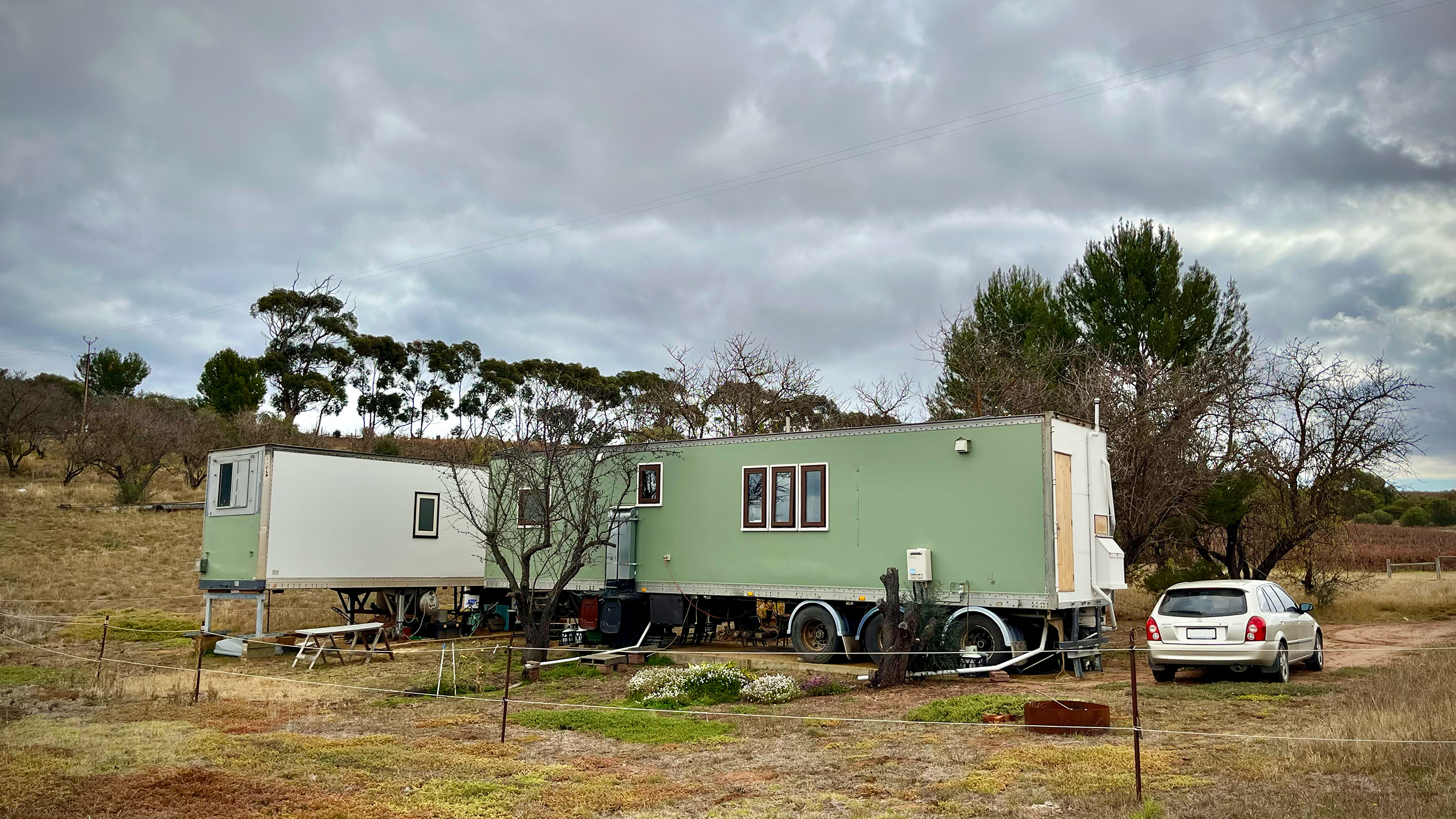
What sorts of things should you consider when thinking about building your tiny house out of an ex-refrigerated semi-trailer? It is a great way to build especially for DIYers, but there are things to watch out for as well. Mike looks at his top 5 pros and top 5 cons for going this route for your future tiny home.
Check out the video at the bottom of this post if you’d rather watch than read 🙂
The Surprising Pros and Cons of Building a Tiny House Inside a Semi-Trailer
If you’ve ever looked at a tiny house and thought, “I love it… but could I possibly have more space, more stability, and a little less anxiety?” — then let me welcome you into the peculiar, underrated world of the ex-refrigerated semi-trailer tiny house.
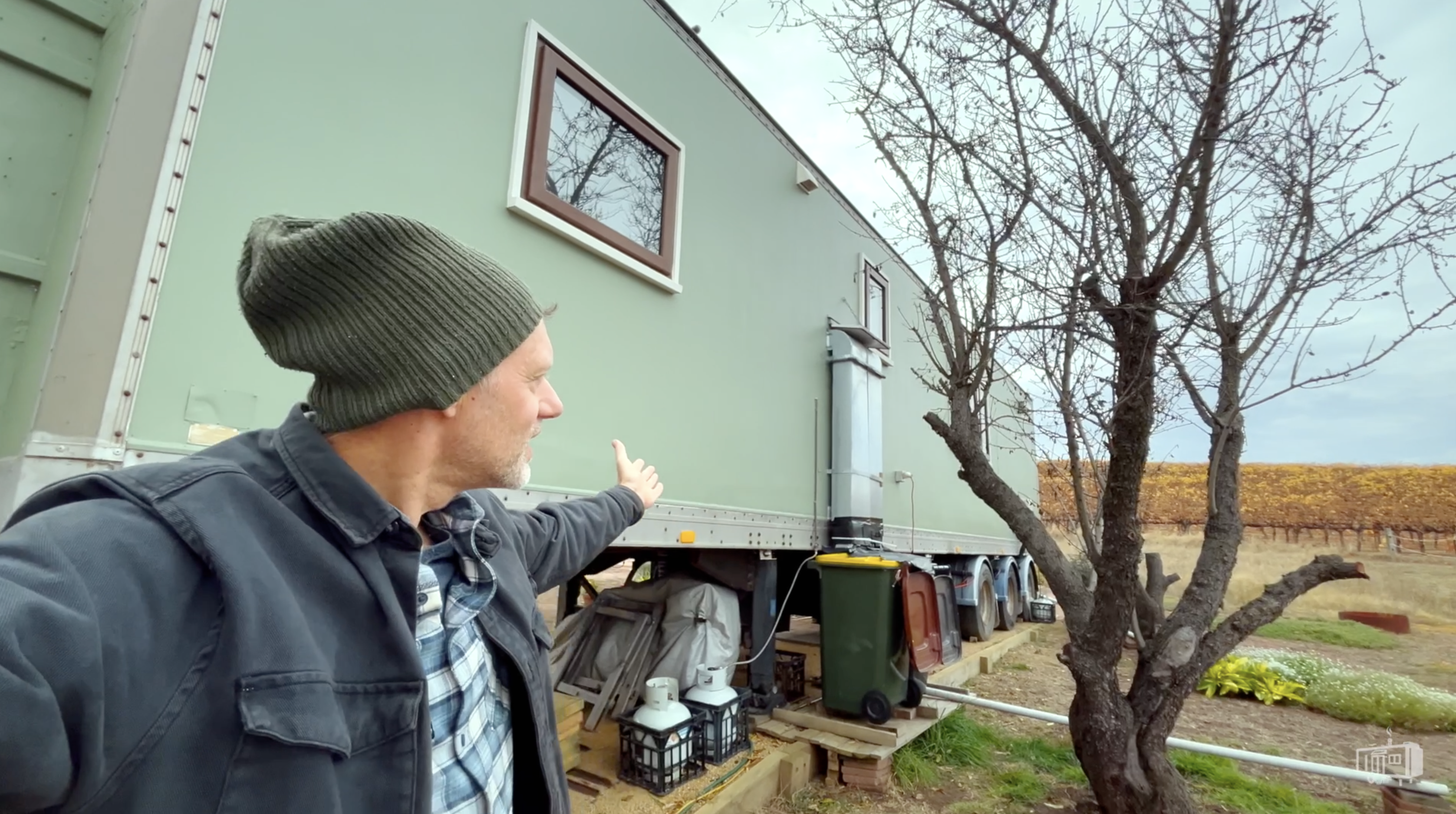
Heidi and I live in two of these gentle giants, and over time we’ve learned what works, what doesn’t, and what simply makes you smile and shake your head at your own life choices.
Here are the top pros and cons — the things you absolutely want to know before diving into one of these beasts.
The Pros: Why a Semi-Trailer Makes an Amazing Tiny Home
1. The Sheer Size (It’s Basically a Studio Apartment on Wheels)
It still surprises people when they step inside. A typical refrigerated trailer is around 12–13 metres long, 2.5 metres wide, and 2.7 metres high inside. That gives you a huge rectangular canvas — no odd angles, no quirky rooflines, no sloping ceilings designed for hobbits.
Just… space.
Space to design.
Space to breathe.
Space to spread out your tools and pretend you know exactly what you’re doing.
And when you’re building a tiny home, that simplicity is priceless.
2. The Price (Yes, Really)
This is where semi-trailers quietly destroy the competition.
Our two trailers cost $10,000 total — that’s 64 square metres of ready-made structural envelope for less than the price of a bare tiny house chassis.
Walls, roof, floor, frame — all done.
Made from fibreglass, steel, and aluminium built for endurance.
In tiny-house-land, that’s a unicorn-level bargain.

3. The Ease of Building (A First-Time Builder’s Dream)
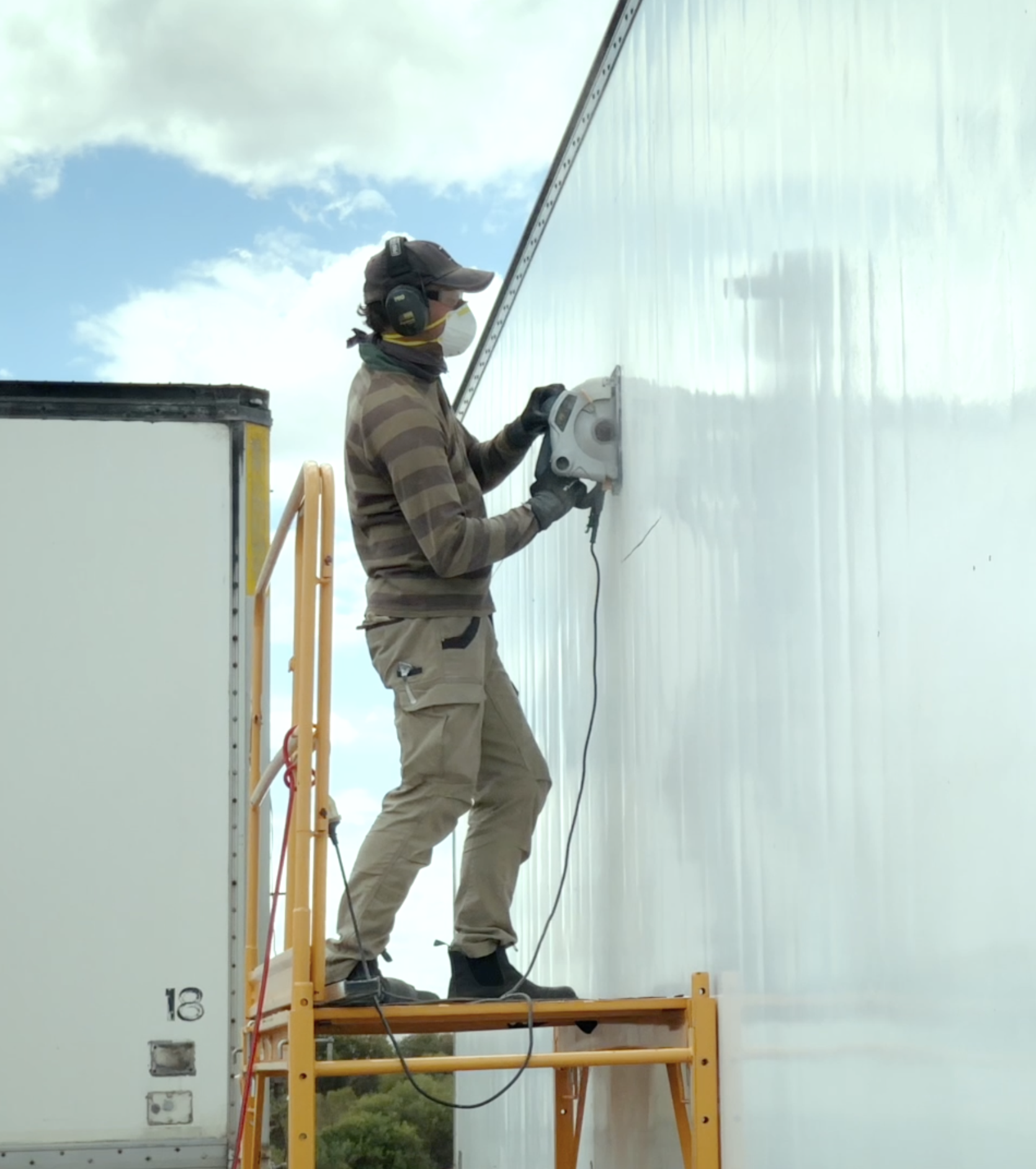
The joy of building inside a semi-trailer is that the structure is already doing the heavy lifting.
Want a door?
Cut the hole, weatherproof it, pop the door in.
No structural framing.
No load-bearing walls.
No engineering anxiety about whether that cute light fixture secretly weighs as much as a small goat.
Inside, weight restrictions vanish. Marble benchtops? Concrete floors? Go wild.
It’s the closest thing a DIY builder will ever get to playing a life-sized version of The Sims.
4. Road Safety and Stability (A Heavy Beast Is a Safe Beast)
A semi-trailer is built to carry 35 tons at full load, cruising down highways like it’s nothing.
So your tiny house ends up with:
- Airbag suspension
- Massive wheels
- A bulletproof steel chassis
- Remarkable stability in all weather
Compared to towing a lightweight tiny house, this thing is a zen monk rolling down the freeway.

5. No Loft Living (Depending on Who You Are, This Is Glorious)
Some people love lofts. Some people love not smacking their head at 2am because they forgot to duck.
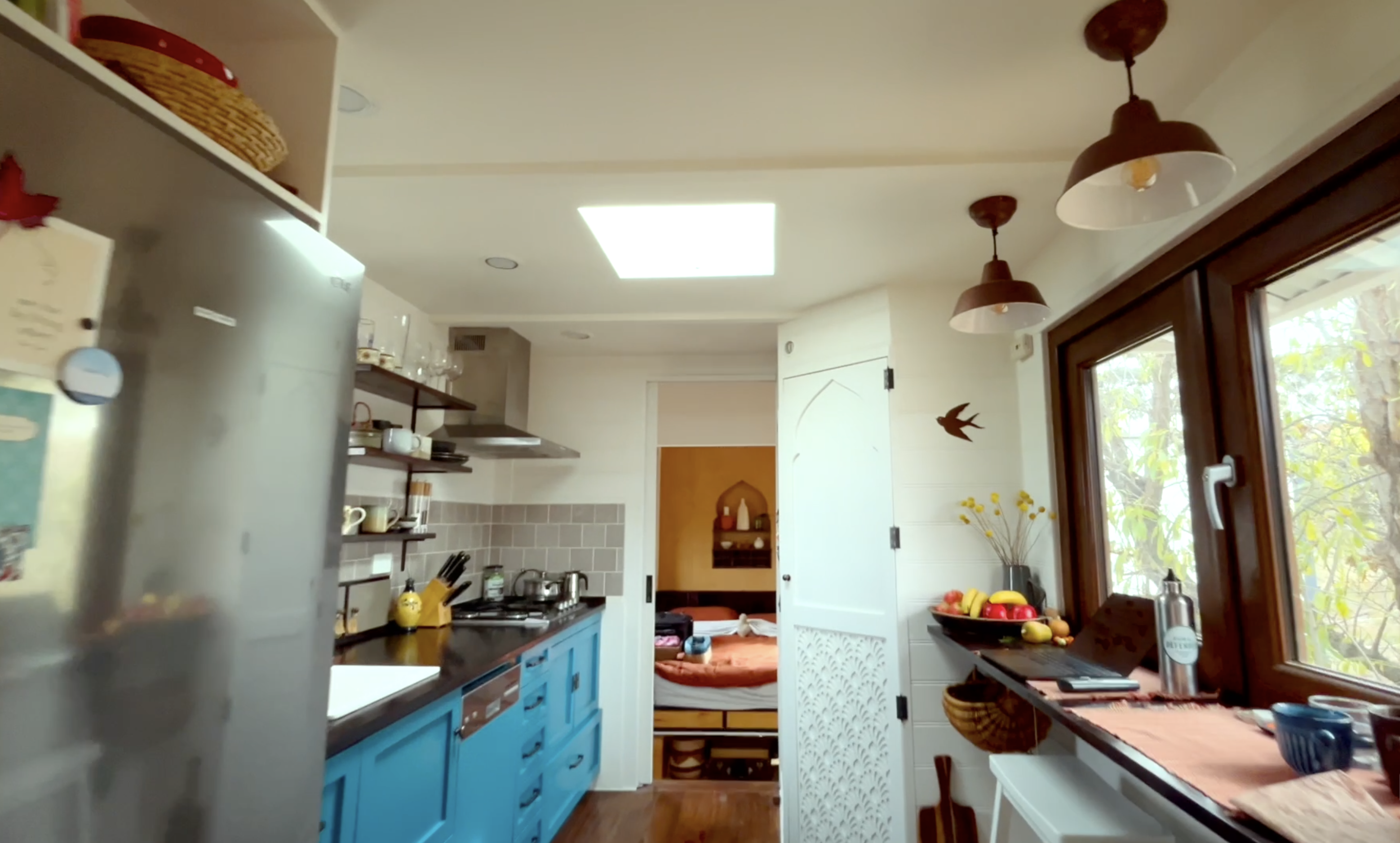
We chose single-level living: high ceilings, no ladders, no crawling into bed like a tired cat.
We even installed a lift bed to reclaim floor space when needed.
Bonus: Giving Industrial Waste a Second Life
Each trailer is around 15 tons of metal and fibreglass. Most end up rusting in paddocks.
Repurposing one is an act of quiet environmental kindness — rescuing literal tonnes of material from landfill and turning it into a home.
The Cons: What You Need to Know Before Buying One
1. You’re Building Inside an Old Vehicle
Let’s be honest — these things spent their lives hauling frozen goods across Australia.
Expect rust, dents, roof repairs, bowed walls, and strange angles that test your patience.
The cheaper the trailer, the more quirks you inherit. You’re buying character… sometimes more than you bargained for.
2. It’s… a Big Box
If you dream of a tiny cottage with a pitched roof and storybook charm, this may not scratch that itch.
Semi-trailers are functional rectangles. You can beautify them, but they’ll still be rectangles with a very practical past.

3. Flat Roof = No Easy Rainwater Harvesting
The flat roof simplifies building but complicates water collection.
If you’re off-grid, you’ll need a false roof, angled structure, or separate catchment setup. Skylights can add another layer of complexity.

4. The Monster Tires
Six per trailer. Twelve total. Each one is $1,000 new or about $100 used.
They elevate the house beautifully and give great under-floor access, but they also age, crack, and occasionally explode at inopportune times.

5. Moving Isn’t Something You Do on a Whim
To move a semi-trailer tiny house, you need:
- A heavy-duty truck
- A driver
- Scheduling
- A little luck
You can’t just hitch it to your family ute and head off. If you ever need to move quickly — bushfires, land issues — it takes planning.
Final Thoughts
Semi-trailer tiny houses aren’t for everyone, but they’re incredible for the right person.
If you value space, stability, affordability, and the satisfaction of upcycling a multi-tonne industrial relic into a cosy home… this might be the path for you.
I hope this guide helps you think through your options. If you want to explore your own ideas or run designs by someone who’s made all the mistakes already, I’m always happy to help.
 Big Tiny Adventure
great video, very informative about the tires. My trailer sits at just the right angle and I can collect a fair amount of rain water that escapes nicely from a damaged spot in the roof.
LikeLiked by 1 person